FDA Grants Orphan Status to Drug for Newborn Brain Injury
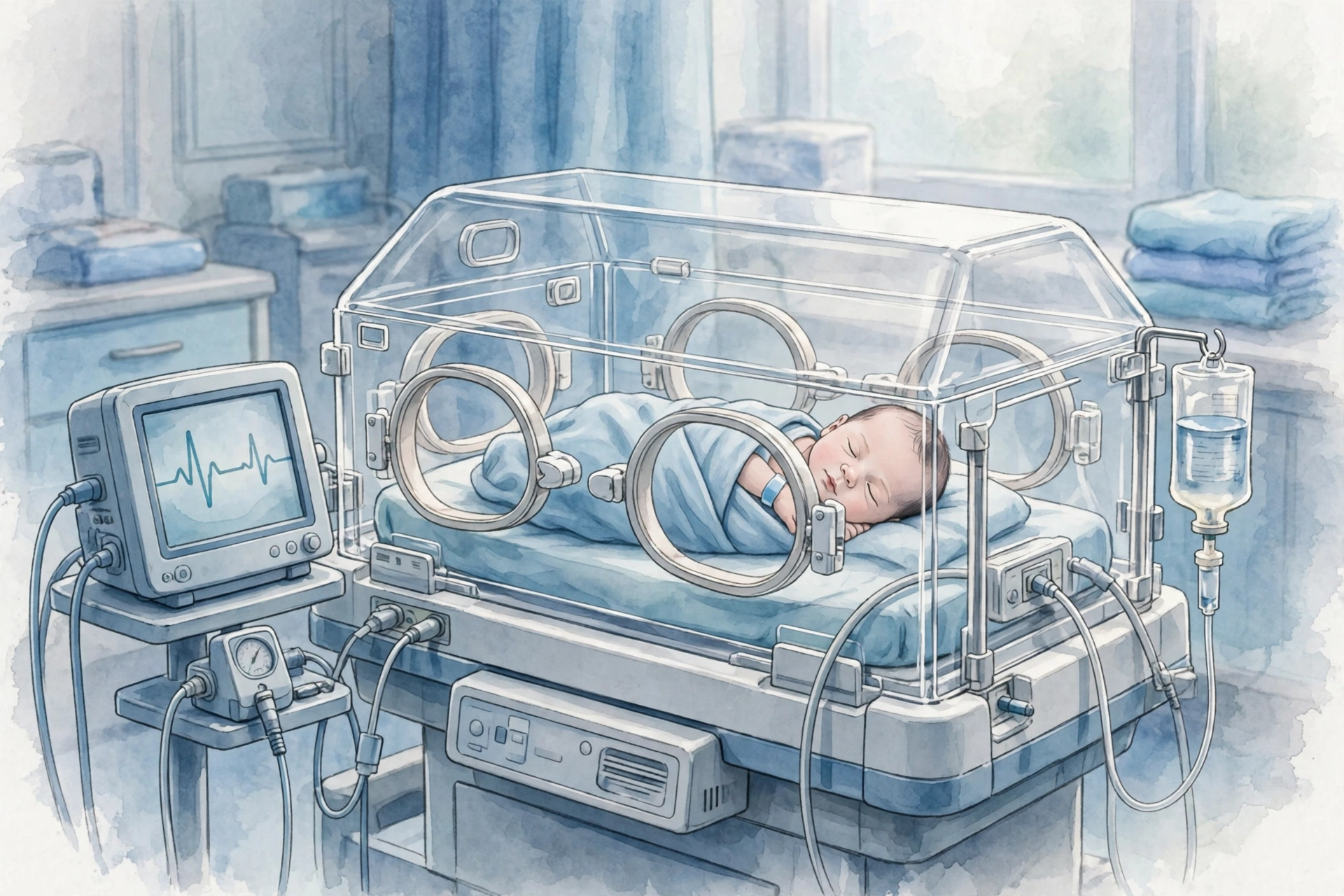
The US Food and Drug Administration has granted orphan drug designation to an experimental medicine being developed for newborns who suffer brain injury around birth, its Australian developer has announced.
Neuren Pharmaceuticals said on 2 November that the FDA had granted the designation to NNZ-2591, also known as ercanetide, for neonatal hypoxic-ischemic encephalopathy, usually shortened to HIE. The condition occurs when a baby’s brain is starved of oxygen or blood flow before or shortly after birth, and it can cause death or lasting disability.
The announcement was reported again in the United States on 4 November, bringing fresh attention to a programme that is still at the preclinical safety stage for this condition. No human efficacy data for NNZ-2591 in HIE has been published, and the company has not yet begun a clinical trial in newborns with the condition.
What orphan designation does — and does not — do
Orphan drug designation is a special status for medicines intended for rare diseases or conditions. Under the FDA’s programme, a condition generally qualifies if it affects fewer than 200,000 people in the United States.
The status brings incentives designed to make rare-disease development commercially viable. According to Neuren’s announcement, those include seven years of marketing exclusivity in the United States if the drug is eventually approved, plus a waiver of the prescription drug user fee that would otherwise apply to a marketing application. The FDA’s rare-disease programme describes the same potential seven-year exclusivity after approval.
Crucially, designation is not approval. It does not mean the FDA has found NNZ-2591 safe or effective for HIE, and it does not shorten the evidence a sponsor must still produce. Any future marketing application would still have to demonstrate safety and efficacy in clinical trials.
How the drug is meant to work
NNZ-2591 is an oral solution. Neuren describes it as designed to mimic a natural brain molecule that regulates insulin-like growth factor 1, known as IGF-1, and to calm inflammation. The company says the compound is intended to help control or normalise abnormal biological processes in the brain.
That mechanism is already being tested in older children for other conditions, which gives the HIE programme a scientific starting point — but not a shortcut. Brain injury in a newborn around birth is a different clinical problem from neurodevelopmental disorders in childhood, and regulators will expect evidence specific to HIE before any use in newborns can be approved.
Neuren chief executive Jon Pilcher said the company looked forward to discussing the development path with the FDA and preparing an application for a clinical study in HIE, which he described as “a devastating condition with serious need”.
A fourth orphan designation for the same drug
The HIE designation is NNZ-2591’s fourth orphan drug designation in the United States. The drug already holds the status for Phelan-McDermid syndrome, Pitt-Hopkins syndrome and Angelman syndrome — three rare neurodevelopmental conditions.
Its most advanced programme is in Phelan-McDermid syndrome. Neuren is running a Phase 3, randomised, double-blind, placebo-controlled trial called Koala, evaluating NNZ-2591 in children aged three to 12 with the condition, along with a 52-week open-label extension study.
That trial is separate from the HIE programme. Progress in one indication does not establish benefit in another, and the HIE work remains behind the Phelan-McDermid programme in development. In other recent children’s health coverage, the FDA fast-tracked a sleep drug for children, while a Harvard headset that won a global prize for concussion checks showed how university research can reach the sidelines.
What happens next
Before any newborn can receive NNZ-2591 in a trial, Neuren must complete a juvenile animal safety study that the FDA has required before a clinical study in HIE can begin. The company says it is currently conducting that study.
Neuren plans to submit an Investigational New Drug application in the first half of 2027. That application, if cleared, would allow human clinical testing to start — but the announcement gives no confirmed submission date, trial design, enrolment target or timeline for results.
For families affected by HIE, the immediate reality is therefore unchanged. Cooling therapy, which lowers a newborn’s body temperature to limit brain damage, remains the established treatment approach, and no new drug is available or approved for HIE as a result of this designation.
The significance of the announcement lies instead in the regulatory path it opens. Orphan designation signals that the FDA considers the programme eligible for rare-disease incentives, and it gives Neuren a clearer framework for discussing trial design with the regulator. Whether NNZ-2591 can help newborns with brain injury will only be answered by the safety study, the planned application and, eventually, clinical trials — steps that are still ahead.
That framing matters. Rare-disease announcements often read like breakthroughs, but designation is best understood as permission to keep developing a medicine under a supportive regime, not as evidence that it works.