NASA Opens Astronaut Applications for Its 25th Class, Eyeing the Moon
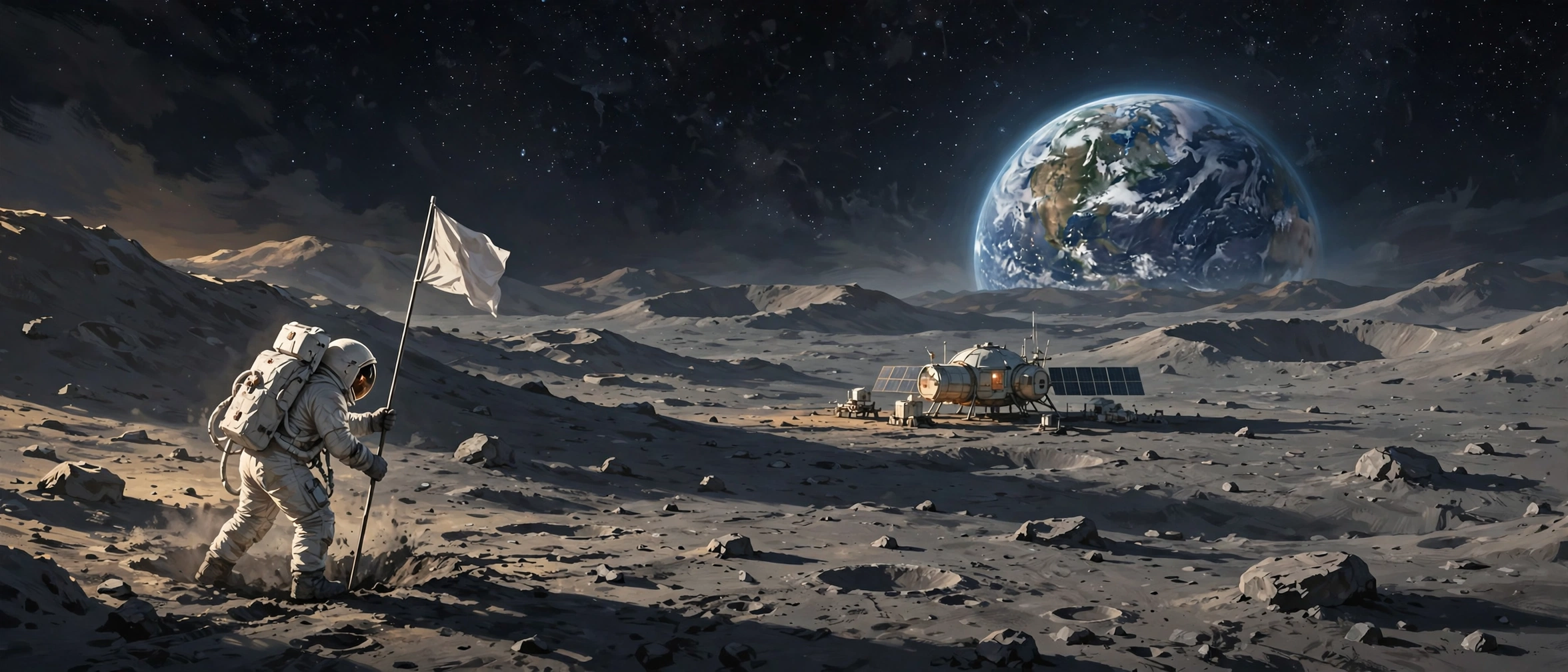
NASA is looking for a new generation of explorers. The space agency opened applications on Saturday for its next class of astronauts, the first recruitment round since 2024, and the people it selects will be trained to work on the Moon and help prepare the first crewed missions to Mars.
The announcement was made during an air show at the Kennedy Space Center in Florida, as NASA builds towards a return of astronauts to the lunar surface. United States citizens have until 11:59 p.m. Eastern time on Thursday, 3 December, to submit their completed application materials.
It is a rare opening, and a competitive one. When NASA last called for applicants in 2024, more than 8,000 people applied. Ten were chosen in 2025 and are now partway through nearly two years of training. The agency has selected 370 people to train as astronaut candidates since the 1960s, and the new intake will be its 25th class since the original Mercury Seven were announced in 1959.
A small corps with a growing workload
NASA currently has just 32 active astronauts, and officials say the corps is stretched by the scale of what is being asked of it. Artemis III commander Randy Bresnik told the Associated Press that the current workload far exceeds the number of available crew members, a gap the new class is meant to close.
The recruits will not be assigned to a flight straight away. NASA expects to make its final selection in late 2027, with the chosen candidates beginning training in early 2028, the same year the agency intends to return astronauts to the lunar surface after an absence of more than half a century.
The call comes days after President Donald Trump pledged a return to the Moon by 2028 and a permanent American presence there, putting the new astronaut class at the centre of the administration’s lunar ambitions.
Who can apply
The basic requirements are strict, but NASA stresses that no single background is required. Applicants must be United States citizens and hold a master’s degree in a science, technology, engineering or mathematics field, including engineering, biological science, physical science or computer science, from an accredited institution.
That degree requirement can also be met by completing at least two years of work towards a doctorate in a relevant technical field, by holding a medical degree, or by completing a nationally recognised test pilot school programme. Candidates must also have at least three years of related professional experience after completing their qualifying degree. For pilots, that experience can be met through flight hours, including 750 hours as pilot in command of a high-performance jet.
NASA’s selection guidance explicitly says that neither military service nor flying experience is necessary. Candidates must pass the agency’s long-duration astronaut flight physical and demonstrate strong leadership, teamwork and communication skills.
Training for the Moon, with Mars in view
Those selected will train to operate on the lunar surface, live and work beyond Earth, and take on missions that NASA says will push human exploration further than ever before. The programme covers spacewalking, lunar geology and flying high-performance aircraft, and is built around Artemis missions near the Moon’s south pole.
NASA describes the new class as the crews who will work at a planned Moon Base and lay the groundwork for crewed missions to Mars. NASA’s Mars ambitions are already being rehearsed on Earth, where a crew recently emerged from a year-long stay in a simulated Mars habitat.
“This is an extraordinary time to join NASA’s astronaut corps,” NASA Administrator Jared Isaacman said in NASA’s announcement. “The people we select could walk on the Moon, live and work at the Moon Base, and help pioneer the systems and operations that will ultimately carry crews to Mars.”
Deputy Administrator Matt Anderson added: “The window is open. The mission is waiting. And the only thing missing from the greatest adventure humanity has ever embarked upon is you.”
Scott Tingle, NASA’s chief astronaut and chair of the Astronaut Selection Board at the Johnson Space Center in Houston, said becoming an astronaut was “more than a career opportunity”, calling it “a chance to join a legacy of explorers who have pushed the boundaries of discovery”.
How to apply
Full details and the application link are on NASA’s astronaut recruitment page, at go.nasa.gov/astro2026. Private rockets are also part of the push, with Blue Origin preparing its New Glenn vehicle for a return to flight.
The deadline is firm: applications close at 11:59 p.m. Eastern time on 3 December. For the handful of Americans who make the final cut, the reward is a place in the corps that will write the next chapter of human spaceflight, starting on the Moon.