US Envoys Meet Putin in Moscow, Then Head to Dublin to Brief Zelenskyy
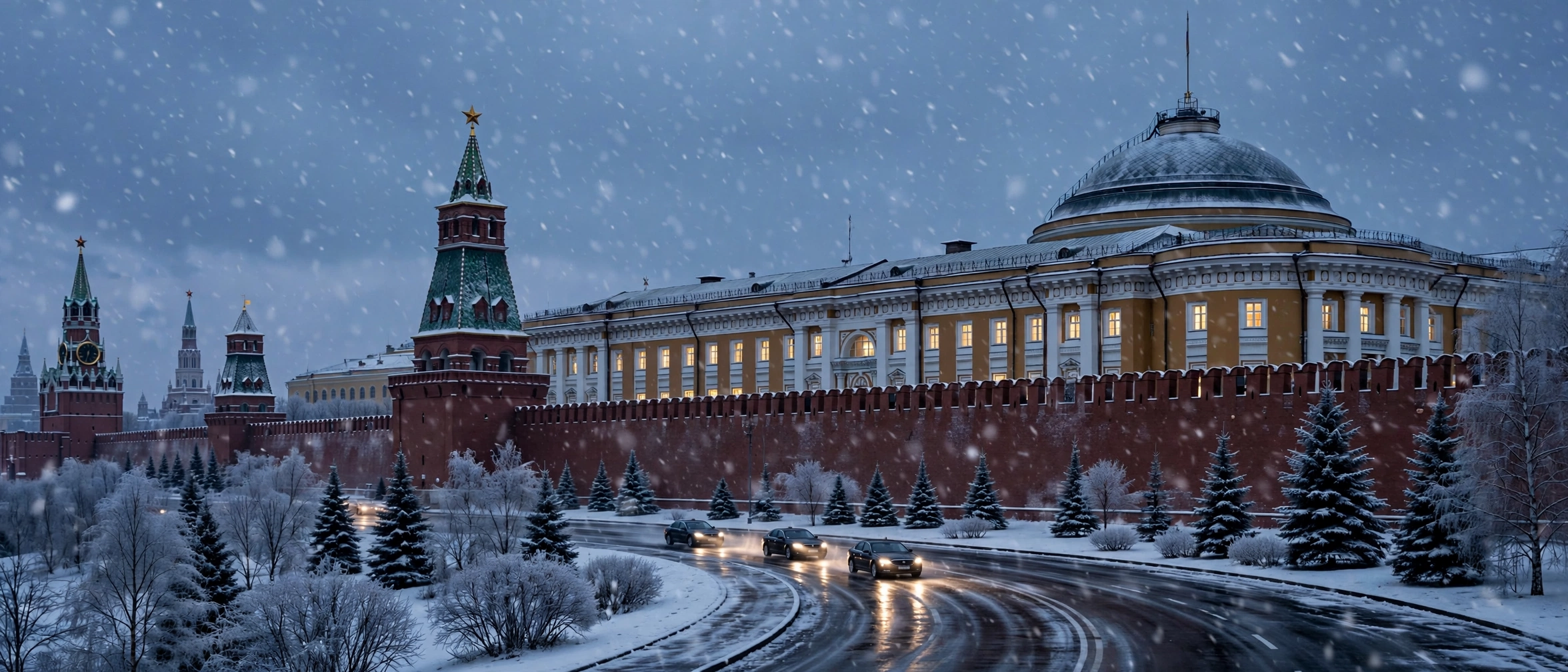
US envoys Steve Witkoff and Jared Kushner met President Vladimir Putin at the Kremlin on Thursday, 12 November, in the most senior shuttle diplomacy yet of the American-led effort to end the war in Ukraine.
The pair landed at Moscow’s Vnukovo Airport in the morning and were greeted by Kirill Dmitriev, the head of the Russian Direct Investment Fund and Mr Putin’s special representative for investment and international economic cooperation. Their meeting with the Russian leader took place at the Senate Palace of the Kremlin, and was the 10th time Mr Witkoff has met Mr Putin in person, Reuters reported.
After the talks, the two Americans were expected to fly to Dublin to brief Ukrainian President Volodymyr Zelenskyy, who was in the Irish capital for a meeting involving more than 40 European countries, also attended by NATO Secretary-General Mark Rutte.
What the Abu Dhabi talks produced
The Moscow visit followed two days of US-mediated talks in Abu Dhabi, which ended on Wednesday with a humanitarian step forward but no breakthrough on the central questions of the war. The Abu Dhabi meetings were the first direct negotiations between Russia and Ukraine mediated by the United States in nine months.
In those talks, the two sides agreed the largest prisoner exchange of the war, with more than 1,000 prisoners from each side, Russian officials said. Exact numbers were still to be announced, and the exchange is expected within two to three weeks, according to Russia’s state-run news agency TASS.
The negotiators announced no agreement on a ceasefire, territory or security guarantees. The exchange is a humanitarian step, not evidence that the main obstacles to ending the fighting have been resolved.
Europe’s seat at the table
Mr Kushner said one goal of the Moscow meeting was to secure Mr Putin’s approval for European representatives to join discussions about the continent’s broader security arrangements. Announcing the trip after the Abu Dhabi talks, he said he and Mr Witkoff saw “some openings and some opportunities” for progress on issues that had been left unresolved.
Moscow has so far resisted the proposed multilateral format, and the question of Europe’s role remains one of the points of friction between the two sides. A senior Russian diplomat said on Wednesday that Moscow could conclude non-aggression pacts with NATO member states as part of a new security architecture for Europe, though many European politicians say they oppose any discussion of Europe’s overall security before real progress on Ukraine.
Dublin and the road ahead
In Dublin, Mr Kushner and Mr Witkoff were due to debrief Mr Zelenskyy and explore ideas that emerged from the talks, including humanitarian relief measures and further prisoner releases.
The hardest questions remain untouched. Kyiv has strongly rejected Mr Putin’s demands to surrender the whole of the eastern Donbas region in return for peace, and with the talks deadlocked on land, the American mediators have tried to steer discussions towards postwar security guarantees and reconstruction.
The diplomacy has not slowed the fighting. A Russian strike on a Ukrainian aid centre killed at least 31 people earlier this month, and Moscow has continued nightly drone and missile attacks on Ukraine’s power network as winter approaches.
Despite public optimism from President Donald Trump, there has been no sign of major compromises from either side. The war is nearing the fifth anniversary of Russia’s full-scale invasion, and the two days of meetings in Abu Dhabi fit a familiar pattern: a humanitarian step forward, agreement to keep talking, and the hardest questions left for another day.
Whether the prisoner exchange becomes the start of something larger will depend on what Mr Kushner and Mr Witkoff heard in Moscow, and what they carry back to Mr Zelenskyy in Dublin.
Frequently asked questions
Why did the US envoys go to Moscow?
To brief President Putin on two days of US-mediated talks in Abu Dhabi and to seek his approval for European representatives to join discussions about broader security arrangements in Europe.
What did the Abu Dhabi talks achieve?
Agreement in principle on the largest prisoner exchange of the war, involving more than 1,000 prisoners from each side. There was no agreement on a ceasefire, territory or security guarantees.
What happens next?
The envoys were due to fly to Dublin to brief President Zelenskyy, who was meeting European leaders there. Further talks are expected, but no date for a ceasefire deal has been set.