Taiwan Closes Papua New Guinea Office and Halts Gas Buys, Blaming China
Taiwan said on Friday it would close its representative office in Papua New Guinea and withdraw all its staff, blaming sustained Chinese pressure — a decision that also pulls the island out of spot gas purchases from the Pacific nation and drew a sharp rebuke from Washington.
A mission wound down after months of pressure
Taiwan’s Ministry of Foreign Affairs said Papua New Guinea had repeatedly demanded that staff leave the office in Port Moresby by a set deadline and pressed for the mission to be shut. The ministry said it had made the decision after an assessment based on national dignity, diplomatic independence and the national interest, and would withdraw all its personnel.
The move follows a decision announced in July by Papua New Guinea’s foreign minister to close the office immediately — a step China welcomed at the time, although the mission stayed open in the months that followed.
Taiwan’s foreign ministry said Papua New Guinea’s actions “reflect China’s continued use of political pressure and economic influence to interfere in other countries’ diplomatic decisions and suppress Taiwan’s international space”.
Papua New Guinea briefly held diplomatic relations with Taiwan in 1999. Like most countries, it now has formal ties with Beijing, while allowing Taiwan to keep a representative office in Port Moresby.
Gas purchases halted, but a long-term contract stays
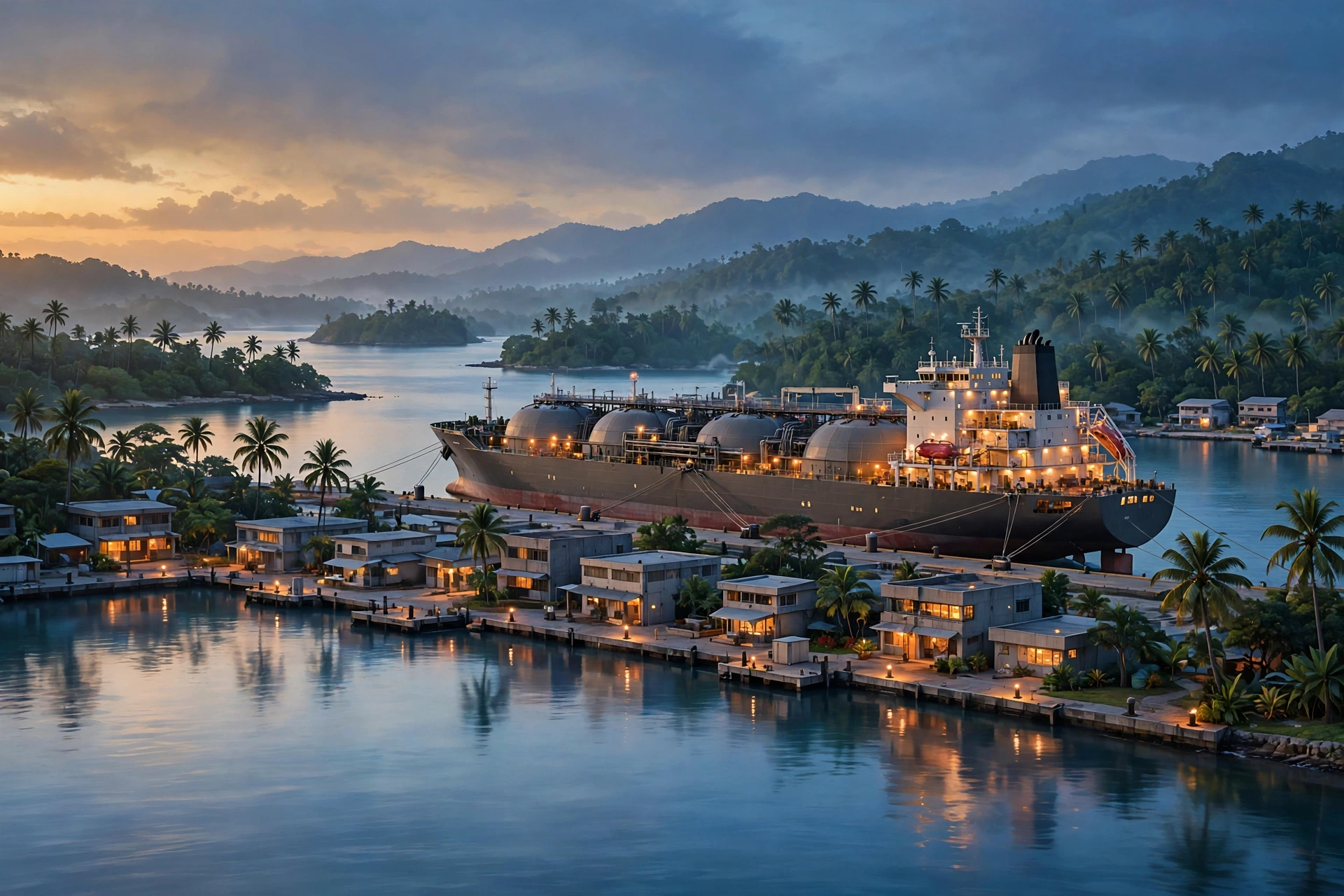
Alongside the closure, Taiwan said it had stopped buying liquefied natural gas from Papua New Guinea on the spot market and would sign no new spot contracts. Purchases of about 500,000 metric tons had been planned for the first half of 2026.
Reuters reported that Taiwan’s purchases accounted for about a third of Papua New Guinea’s LNG exports, and Taiwan’s foreign ministry said the halt would have a substantial effect on the country’s gas exports and foreign-exchange earnings.
The long-term supply arrangement remains in place: a Taiwanese official said Taiwan would continue to import 1.2 million tons a year under it. Papua New Guinea supplied about 8 percent of Taiwan’s gas imports in 2025, behind Qatar at 34 percent, Australia at 33 percent and the United States at 10 percent, according to official figures.
Taiwan also said it would end the technical cooperation and assistance programmes it runs in Papua New Guinea.
Washington calls it intimidation
A US State Department spokesperson said Washington was deeply concerned by reports that Papua New Guinea had unilaterally ordered the office closed.
“This is yet another example of Beijing’s intimidation campaign against Taiwan and its supporters around the world,” the spokesperson said, adding that the move threatened global peace and prosperity.
The rebuke lands amid a tense stretch for the island. Taiwan’s stock market has had a bruising week, with regulators stepping in after the sharpest falls in years. US analysts have also raised concerns about unannounced military drills around Taiwan, while tensions between Washington and Beijing have flared over an alleged Chinese spy operation involving the head of chipmaker Nvidia.
A shrinking diplomatic map
Taiwan now maintains formal diplomatic relations with only three Pacific island nations — Palau, Tuvalu and the Marshall Islands — alongside a representative office in Fiji.
The Pacific has long been an arena of diplomatic competition between Beijing and Taipei, with China pressing countries to cut official ties with the island, which it claims as part of its territory. Neither Papua New Guinea’s nor China’s foreign ministry immediately responded to requests for comment on the announcement.
For Taipei, the decision trades a diplomatic foothold for a public stand: withdrawing on its own terms rather than being expelled, and using its gas purchases to raise the cost for Port Moresby. Whether other Pacific capitals follow Papua New Guinea’s lead will be the next test of Beijing’s campaign — and of Washington’s response.