M. John Harrison Wins Booker Prize at 81 for The End of Everything
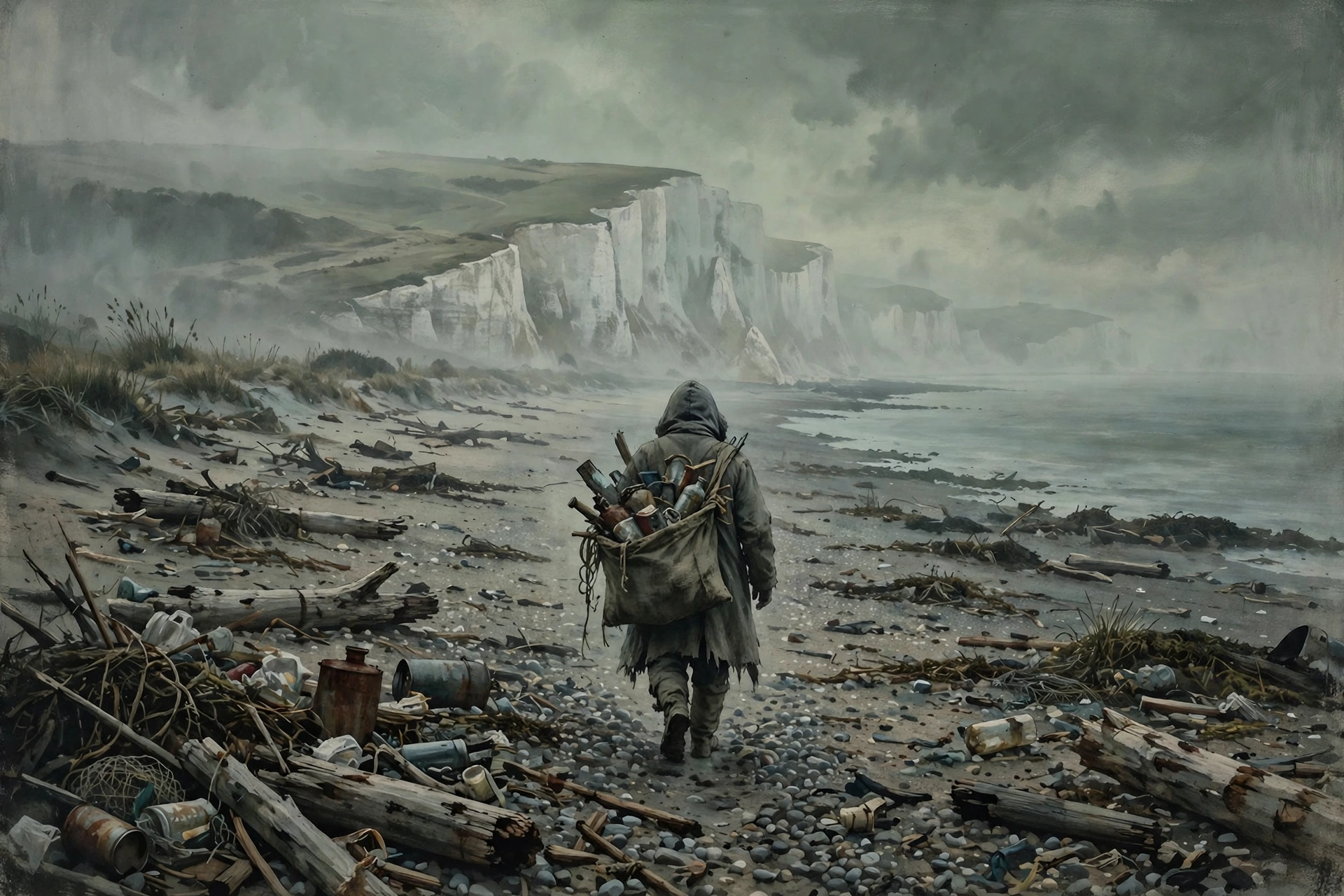
M. John Harrison has won the 2026 Booker Prize for The End of Everything, a dystopian satire set on a near-future Kent coast, becoming the oldest winner in the prize’s history at 81.
Harrison was announced as the winner on Monday, 9 November, at a ceremony at Old Billingsgate in London. He receives £50,000 and the Booker trophy, presented to him by last year’s winner, David Szalay. It is his first Booker nomination and his first win, in a writing career spanning six decades.
The End of Everything is Harrison’s 13th novel. At 198 pages, it was the shortest book on this year’s shortlist — and, according to the Booker Prize Foundation, the first win by an author to have emerged from what its chief executive, Gaby Wood, called “the bona fide SF world”.
A unanimous choice
The judging panel, chaired by classicist, writer and broadcaster Mary Beard, reached its decision unanimously after a day of deliberation. Beard said: “The Booker judges spent a whole day debating the six remarkable novels on this year’s shortlist, before agreeing unanimously to award the 2026 prize to The End of Everything by M. John Harrison.”
The panel considered 163 eligible books before settling on a shortlist of six. The judges were Beard, poet Raymond Antrobus, musician and broadcaster Jarvis Cocker, journalist Rebecca Liu and novelist Patricia Lockwood.
The judges felt the novel “leaves you with a twinge of optimism” about the world, The Hindu BusinessLine reported. Beard was keen to stress that the award was for this book alone, not for a lifetime’s work. “We are not celebrating octogenarians,” she said.
The book: a scavenger on a broken coast
The End of Everything follows Phillip Tennant, a scavenger eking out an existence with his pistol-toting aunt on a post-apocalyptic Kent coast, against a backdrop of societal collapse and a mysterious alien invasion. The novel has been described as a dystopian satire that probes the limits of human understanding.
The book is published by Serpent’s Tail, an imprint of the independent publisher Profile Books. It is the imprint’s first Booker win, after five previous nominations.
Harrison has been hailed by writers including Olivia Laing, Robert Macfarlane and Neil Gaiman as one of the most brilliant prose stylists alive today. Alongside his 13 novels, he has written five short-story collections and an “anti-memoir”. He was himself a judge for the Booker Prize in 2022, and is a former rock climber and fell runner.
The shortlist he beat
Harrison saw off a shortlist that included two former Booker winners: Marlon James, shortlisted for The Disappearers, and Douglas Stuart, shortlisted for John of John. The other finalists were Elizabeth Strout for The Things We Never Say, Rebecca Perry for May We Feed the King and Luke Kennard for Black Bag.
To be eligible, a novel must be long-form fiction written in English and published in the UK or Ireland between 1 October 2025 and 30 September 2026. The prize is open to writers of any nationality.
Harrison surpasses Margaret Atwood as the oldest winner. Atwood was 79 when she jointly won the prize in 2019 for The Testaments.
What it means for US readers
The win will put a spotlight on a writer long admired by critics but little known to the wider public, and it comes as the book reaches American readers. The US hardcover edition, published by Riverhead, was released on 13 October, and the prize’s shortlist also featured American novelist Elizabeth Strout, a reminder that the Booker remains open to writers of any nationality.
For the publishing trade, the result is a boost for independent publishing: a small imprint’s 198-page novel beat bigger rivals to one of fiction’s most prestigious prizes. The award has a record of turning winners into bestsellers, and bookshops on both sides of the Atlantic can expect demand for The End of Everything to surge in the run-up to Christmas. Prizes also shape what audiences watch next: big novels routinely become events at the cinema, drive weekends at the box office, and inspire new work on television.
The Booker Prize, first awarded in 1969, is one of the most prestigious awards in English-language fiction. The winner receives £50,000, and each of the six shortlisted authors receives £2,500. The full announcement, including the judges’ comments, is published in the Booker Prizes’ official announcement.