Trump Says Fresh Iran Strikes ‘Highly Unlikely’ if Talks Keep Progressing
Trump ties restraint to a ‘very strong agreement’
President Donald Trump has said he is “highly unlikely” to order fresh strikes on Iran as long as talks to end the conflict keep making progress.
Speaking to CNN by telephone on Sunday, Mr Trump said the outcome “depends on whether or not they sign a very strong agreement”. Asked whether renewed attacks would be necessary, he replied: “The answer is, highly unlikely it’s going to be necessary.”
The president repeated the assessment several times during the interview, while making clear that the threat of force remains on the table. He said the United States had already dealt Iran a severe blow and that further action would not be needed if Tehran reached a deal. “They want to make a deal so badly,” he said.
The targets the US says it has already picked
Even as he spoke of restraint, Mr Trump described in detail what renewed strikes could look like. He said American forces had identified potential infrastructure targets inside Iran, including power plants and 38 bridges he said could be knocked down “in literally one hour”.
He also said three US aircraft carriers were in the region and that American forces were “ready for it” if he gave the order.
The remarks come after Mr Trump had hinted that he would renew major attacks on Iran once last week’s midterm elections were over. There has been no sign so far of a large-scale US military operation.
Task Force Iron Gate ‘in full force’
Later on Sunday afternoon, Mr Trump posted on Truth Social that “Task Force Iron Gate is in full force and effect” on Iran. The campaign, first reported by Reuters on Saturday, is aimed at cutting off Tehran’s movement of advanced weapons and other sanctioned material over its land borders and through the Caspian Sea.
The task force was launched as part of the continuing US naval blockade of Iranian ports, which remains in place. The war between the United States and Israel on one side and Iran on the other began on 28 February 2026, and no ceasefire is in force.
Where the diplomacy stands
Iran has submitted a nuclear proposal to Washington through Qatar, a senior Iranian official told Reuters on Thursday. The United States is reviewing the document, but discussions would depend on Washington first meeting Tehran’s seven demands, the official said.
Qatar is acting as the chief mediator. Mr Trump spoke by telephone with Qatar’s Emir, Sheikh Tamim bin Hamad Al Thani, on Friday about de-escalation and a comprehensive agreement, the emir’s office said. A diplomat familiar with the talks said Iran was studying Qatari proposals on its nuclear activities, which it had previously been unwilling to discuss.
The arrangement under discussion has centred on Iran reopening the Strait of Hormuz in exchange for US sanctions relief, followed by broader negotiations over the nuclear programme.
Shipping still under attack in the strait
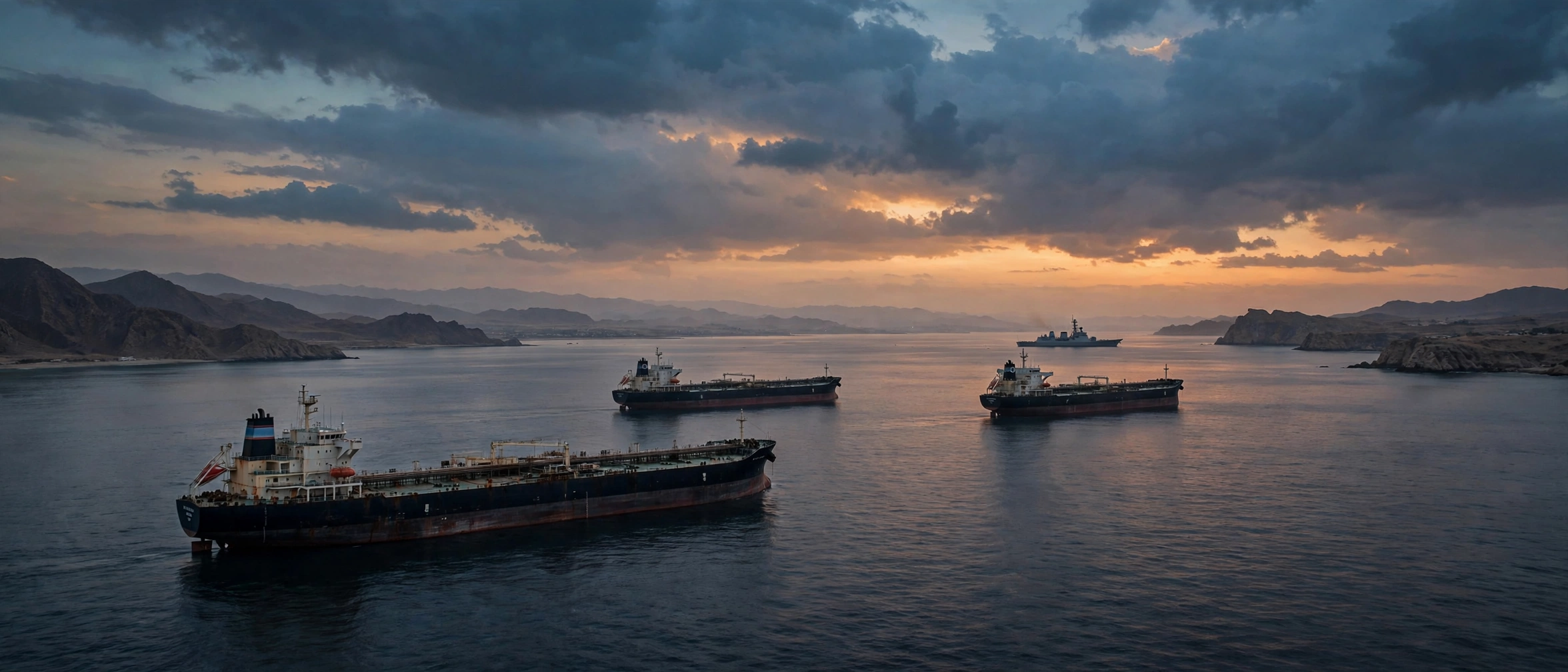
Mr Trump’s comments came even as both sides reported that shipping had been hit in or near the Strait of Hormuz. Iran’s Revolutionary Guard said two oil tankers had caught fire after hitting mines in or near the strait.
Iranian state television said officials had not confirmed any missile strikes on Iranian territory following blasts heard in several areas, including on Qeshm Island in the strait.
The picture on the water remains unsettled. Washington and Tehran continue to blame each other for attacks on shipping, while the diplomatic channel through Doha stays open — for now, at least, the president’s message is one of conditional restraint rather than an unconditional end to the threat of war.