Supreme Court Rejects Trump Bid to Cut DEI Research Grants
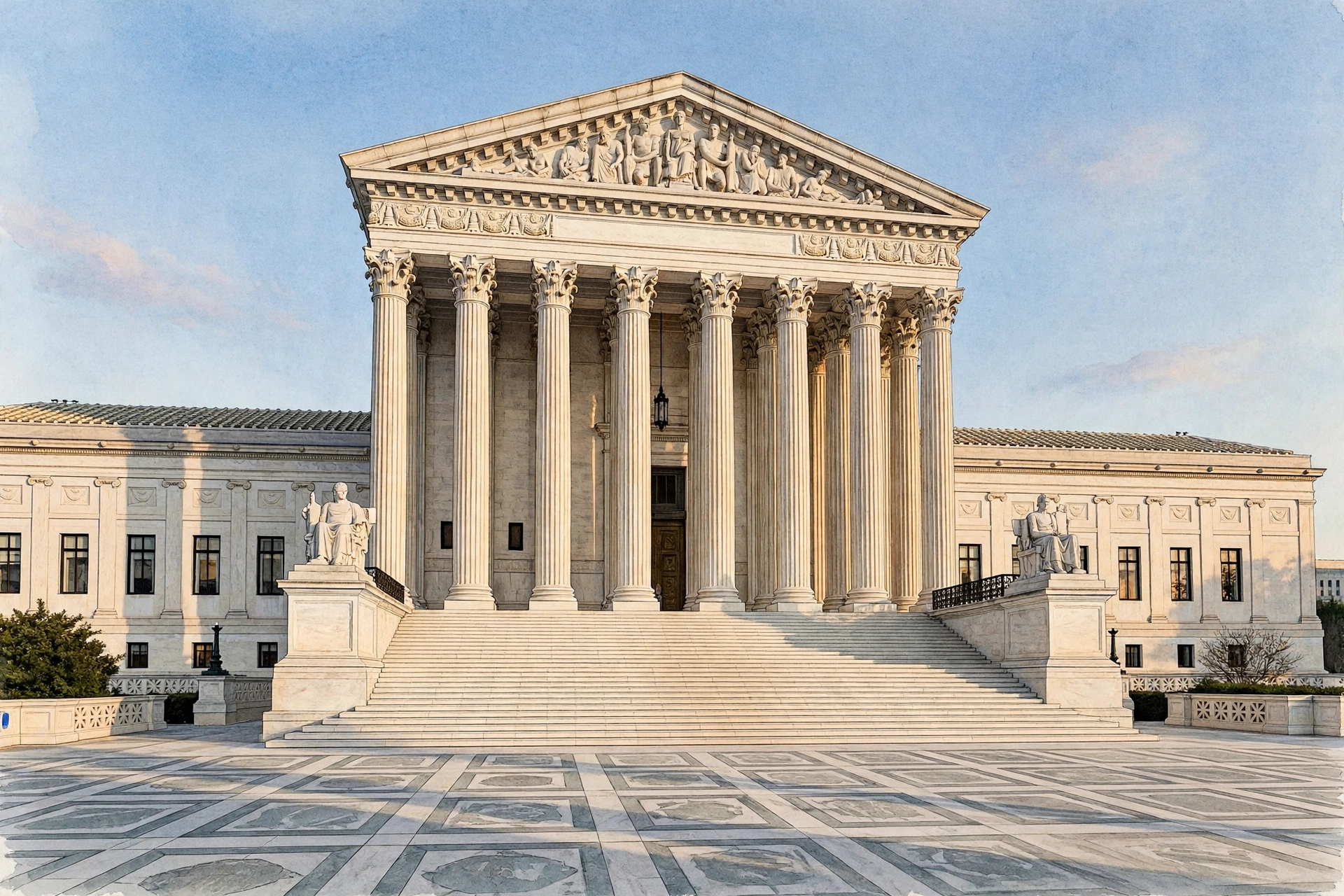
The Supreme Court on Monday declined to hear the Trump administration’s appeal defending its cancellation of federal research grants to University of California scholars, leaving in place lower-court rulings that the cuts likely violated the First Amendment.
The justices gave no explanation for turning the case away, as is customary when they decline to hear an appeal. None of the nine justices publicly noted a dissent.
At issue in the case were about $59 million in grants to researchers in the University of California system, Reuters reported. The administration had sought to cancel a larger pool of roughly $150 million in National Science Foundation and National Endowment for the Humanities awards, CNN reported, as part of a broader campaign against diversity initiatives across the federal government.
Grants cut after executive orders
The dispute began shortly after President Donald Trump returned to office in January 2025. He signed executive orders targeting diversity, equity and inclusion programmes and what the administration calls “gender ideology”, and the National Science Foundation and the National Endowment for the Humanities moved to cut off grants to researchers in the University of California system, one of the world’s leading public research institutions.
The terminated grants funded projects that included efforts to foster discussion about racial equity in science education and to expand science education opportunities for Indigenous young people, according to court papers.
A group of affected researchers filed a class-action lawsuit in 2025, arguing that the administration had singled out their work because of its content and viewpoint, in violation of their free-speech rights under the First Amendment.
US District Judge Rita Lin halted the terminations, finding the researchers were likely to win their claim that the cuts amounted to unconstitutional viewpoint discrimination. The San Francisco-based 9th US Circuit Court of Appeals upheld that part of her ruling, prompting the administration’s appeal to the Supreme Court.
Two views of the government’s power
The administration argued that the government has broad discretion to decide which research it will fund, including the ability to end support for projects that conflict with its policy agenda. Solicitor General D. John Sauer, the administration’s top appellate lawyer, framed the dispute as a shift in funding priorities that did not implicate the First Amendment.
The researchers took the opposite view. “The government can point to no case where this court, or any court, has held that the president and federal agencies may terminate grants awarded through a merit-driven competitive process based on the perceived viewpoint of the research,” they told the high court.
Erwin Chemerinsky, a lawyer for the plaintiffs and dean of the University of California, Berkeley School of Law, welcomed the outcome. “I am obviously delighted that the court denied (Trump’s petition for appeal),” he said, adding that the grants cut off because of the perceived viewpoint of the research must now continue to be restored.
Why the venue matters
The Supreme Court’s refusal to take the case carries a second, quieter consequence. By leaving the lower courts’ rulings intact, the justices also left in place the conclusion that disputes of this kind belong in federal district courts, rather than in the specialised Court of Federal Claims.
That distinction matters for speed. “The claims court can only issue narrow, limited relief against the government at the end of the case, whereas district courts, as in this case, can move much faster and much more coercively to restore funds that were wrongly cut off,” said Steve Vladeck, CNN Supreme Court analyst and professor at Georgetown University Law Center.
The decision does not end the litigation. The cases will continue in the lower courts, and the appeals court has said researchers seeking to recover money lost because of the terminations would need to pursue a separate claim in the Court of Federal Claims.
A rare setback, with limits
The outcome is a setback for an administration that has moved aggressively to reshape federal research funding. It comes as Trump’s push to confirm judges faces resistance in the lame-duck Senate, and as US colleges contend with falling international enrolment and a White House that has named AI national champions while redirecting federal priorities.
Yet the ruling should not be read as a broad verdict on the administration’s funding powers. The Supreme Court, which has a 6-3 conservative majority, has been highly deferential to Trump’s use of executive authority and has expanded presidential power in a series of recent decisions, though it has ruled against him in a few major cases.
In August 2025, the court allowed the administration to proceed with sweeping cuts to National Institutes of Health grants for research related to racial minorities or LGBT people — but that decision turned on procedural grounds, not on the First Amendment question at the heart of this case.
Billions of dollars in research grants to other institutions remain caught up in litigation that could eventually reach the Supreme Court. For the University of California researchers, Monday’s decision means the money keeps flowing while their case proceeds — and the lower court’s finding that the government may not punish research for its viewpoint stands, for now, unchallenged.