Oil Settles $3 Higher as Saudi Attacks and Hormuz Disruptions Rattle Supply
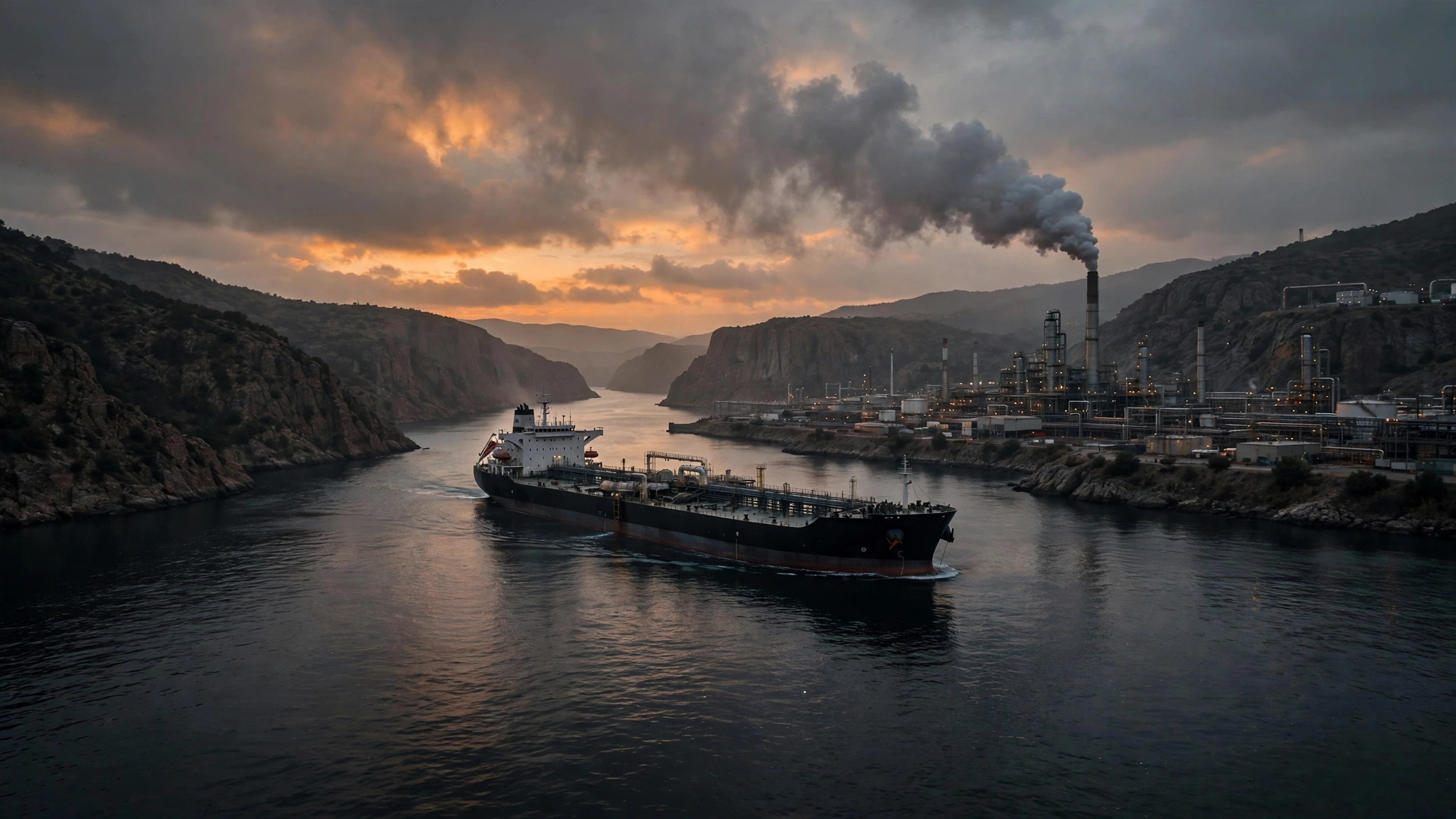
Oil prices jumped by $3 a barrel on Thursday, reversing an early slide, as attacks on Saudi Arabia’s energy infrastructure escalated and explosions hit oil tankers in the Strait of Hormuz, reviving fears of disruption to global crude supplies.
Brent futures settled at $95.82 a barrel, up $3.06, or 3.3%, while U.S. West Texas Intermediate crude closed at $88.74, up $2.21, or 2.6%, according to Reuters. The rebound came after both benchmarks had sold off early in the session, and it left them still down about 2.5% for the week.
Houthis claim new strikes on Saudi energy sites
Yemen’s Iran-aligned Houthi movement said on Thursday it had attacked a pumping station on Saudi Arabia’s East-West oil pipeline and an oil facility in the Red Sea city of Yanbu, marking a sharp escalation in the regional campaign against Saudi energy infrastructure.
The group also claimed an attack on a building belonging to Saudi Aramco, the world’s largest oil producer, in the capital Riyadh. Saudi authorities did not immediately confirm that claim.
The Saudi-led military coalition fighting the Houthis said it had intercepted and destroyed two drones launched by the group, one in the Riyadh region and another in the kingdom’s oil-rich Eastern Province.
The claims followed an earlier Houthi strike on the East-West pipeline on 10 November, which NationWire reported at the time, and debris damage to an Aramco tower in Riyadh days before that.
Four tankers hit in the Strait of Hormuz
In the Gulf, Iran’s military said on Thursday that four oil tankers were hit by explosions in the Strait of Hormuz after ignoring warnings. Tankers were still ablaze in the waterway, oil was washing ashore, and drones and missiles had struck infrastructure across the region, Reuters reported.
The strait carried nearly one-fifth of the world’s crude oil before the United States and Israel went to war with Iran earlier this year. Attacks on shipping in the Middle East have increased in recent weeks: data from the Washington Institute for Near East Policy counted 37 attacks on vessels in October 2026, the highest monthly figure since the regional conflict began in late February.
The shipping disruption comes as diplomacy around the strait appears to be stalling. President Donald Trump said on Thursday that the United States needs no deal with Iran, clouding a Qatari plan under which Tehran would reopen the strait and halt attacks on Gulf tankers. Iranian Foreign Minister Abbas Araghchi has said the offer to reopen Hormuz within two days stands, on condition that the war ends on all fronts.
Supply picture still loosening despite the rally
For all the alarm in the market, the underlying supply picture looked softer. OPEC data showed crude production rose in October, led by Saudi Arabia, which told the group its output had jumped 26% to 10.56 million barrels a day, the highest since the Iran war began.
In the United States, the Energy Information Administration reported on Thursday that crude inventories rose during the week, contrary to market expectations for a decline.
Ukraine added to the pressure on energy markets by announcing it had attacked the port of Ust-Luga on Russia’s Baltic Sea coast with drones, damaging part of a network of fuel storage tanks.
Analysts said the rally reflected a war premium returning to prices rather than any confirmed loss of supply. “Mutual attacks between Russia and Ukraine and vessel attacks by Iran’s Revolutionary Guard are pushing prices higher,” Timothy Snyder, chief economist at Matador Economics, said.
Whether the gains hold may depend on what happens next in the Gulf. Traders will be watching for confirmation of damage at Saudi facilities, any further tanker incidents in the strait, and whether the Qatari diplomatic effort to reopen Hormuz regains momentum after Trump’s remarks.