Voters Handed Big Tech’s Data Centres a Stunning Defeat in the Midterms
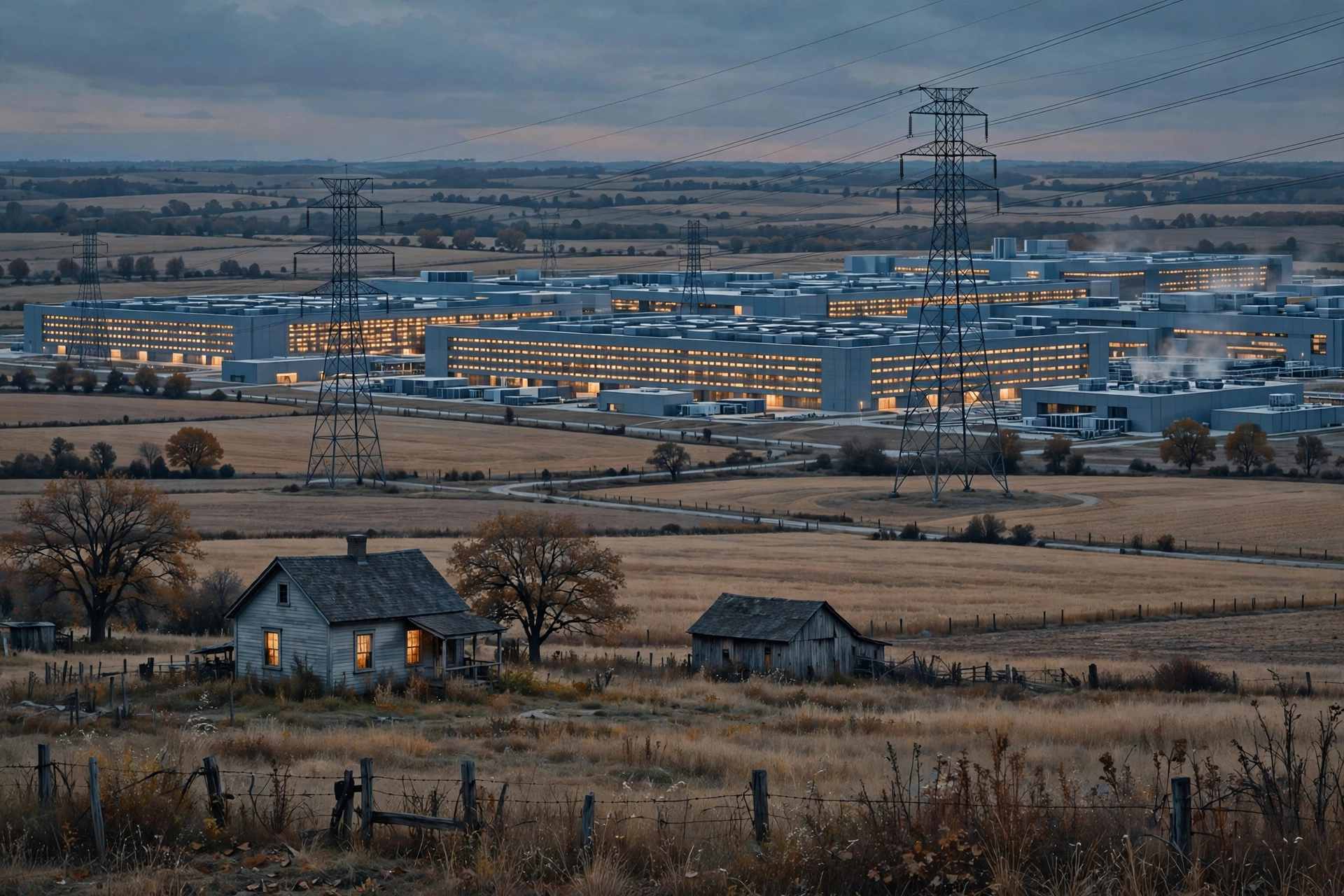
Data centres were on the ballot in the 2026 midterm elections — and they lost. Voters rejected data-centre development in 40 of 41 local ballot measures, according to CNBC, and elected a string of candidates who had promised to slow or halt the tech industry’s vast buildout of the buildings that power artificial intelligence.
The results, tallied in the days after polling day on 3 November, amount to the clearest public verdict yet on the AI boom. The Washington Post reported that voters in at least 29 jurisdictions approved restrictions on data-centre construction, ranging from temporary moratoriums to outright bans.
The ballot measures that passed
The margins were rarely close. In Hubbard, a small city in north-eastern Ohio, more than three-quarters of voters backed a ban on new data centres within city limits — 2,622 in favour and 802 against. In Alhambra, California, preliminary results showed more than 82 per cent support for Measure DB, which prohibits data centres throughout the city. In Edgewater, Florida, more than 77 per cent backed a charter amendment barring the approval, construction and expansion of new data centres.
In Bloomington, Illinois, nearly 78 per cent of voters supported a proposed moratorium on large data centres.
The measures do not amount to a nationwide ban. Most apply only to particular cities, townships or sites. But taken together, they show how far local opposition has travelled in a single election cycle.
Candidates who campaigned against the buildout won
Opposition to data centres also featured in races far above the local level. In Michigan’s 7th Congressional District, Democrat William Lawrence, a progressive community organiser and co-founder of the Sunrise Movement, defeated the Trump-backed incumbent Tom Barrett after making data centres a centrepiece of his campaign. In his first advertisement, Lawrence stood in a field and said: “Tech billionaires want to turn this field into a massive data center that’ll jack up our energy bills and ruin our home values.”
In Texas, Gina Hinojosa became the first Democrat elected governor since 1990 after calling for a moratorium on new data centres, defeating the Republican incumbent Greg Abbott. In Georgia, Keisha Lance Bottoms won the governor’s race after campaigning for a statewide moratorium. In New Mexico, Deb Haaland pledged to implement a statewide moratorium and won, while in Ohio, Amy Acton called for a conditional moratorium and beat Vivek Ramaswamy. Sherrod Brown won a Senate seat in Ohio after calling his Republican opponent the “face of data centers”.
Analysts caution against reading too much into any single race. “It’s probably too early to say that data centers as an issue swung a race,” Daniel Schiff, an associate professor of technology policy at Purdue University, told Fast Company. But, he added, the results affirm the opposition: had elections flipped the other way, voters would have signalled that data centres were not a major concern. That did not happen.
Why voters are pushing back
The objections are mostly local and practical: electricity prices, water use, noise, land and tax breaks. A Pew Research Center report published on 22 September found that 50 per cent of Americans believe data centres are mostly bad for household energy costs, up from 38 per cent in January.
The scale of the coming demand is part of the concern. In June 2026, Lawrence Berkeley National Laboratory published an updated assessment suggesting data centres could account for approximately 11.8 per cent of all US electricity consumption by 2030. The laboratory stressed that the figure was a modelled scenario rather than a guaranteed outcome.
What it means for Big Tech
The industry is already responding. Google, Microsoft, Amazon and Meta have been taking part in discussions with environmental organisations aimed at establishing national standards for data-centre development. The negotiations began before election day, but the results underline the political pressure facing companies seeking approval for new facilities.
The pressure is also reaching Washington. Senator Bernie Sanders called for a national data-centre moratorium on Thursday. Goldman Sachs, however, sees a national moratorium as unlikely, while UBS has estimated that the election outcome could put about 30 per cent of expected 2028 US data-centre capacity additions at risk. Both are analyst estimates, and the firms’ original notes have not been published.
The financial stakes are visible in company filings. Anthropic’s IPO filing said the backlash against data centres could limit its ability to grow. U.S. News reported that a reckoning may be ahead for tech giants, as states that backed restrictions hold a large share of planned capacity.
For now, the message from voters is plain: the AI buildout will go ahead only on terms communities are willing to accept. The midterm results have made one thing clear — the public will not simply make way for the data centre.
