California Voters Approve $8.4 Billion Bond for Medical Research
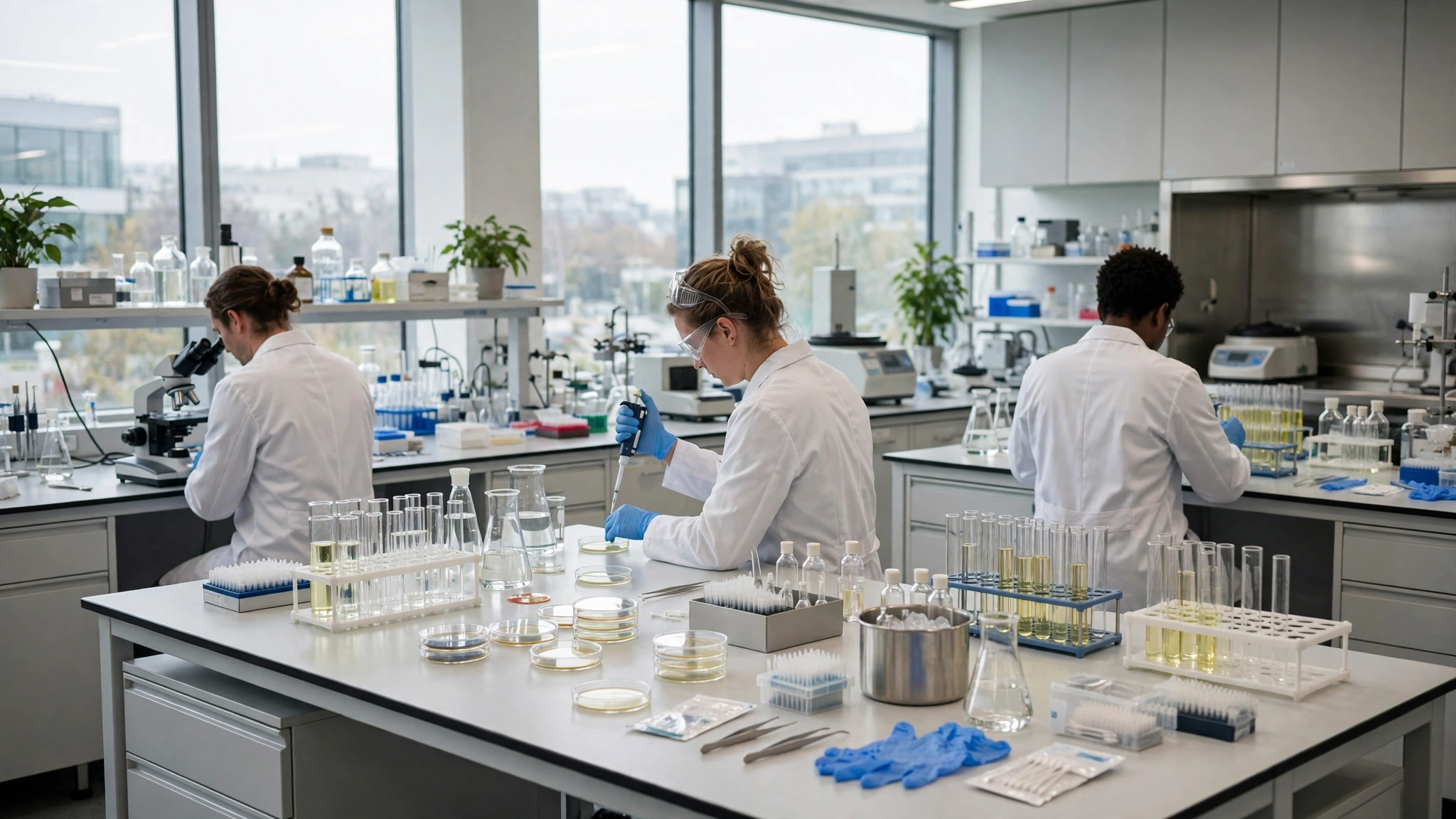
California voters have approved Proposition 38, a ballot measure authorising $8.4 billion in state bonds for immunology and immunotherapy research, after the Associated Press called the race late on Monday. It is the largest sum of money for science ever authorised by a public vote in American history, Nature reported.
The measure, known as the Immunology Medical Research and Cures Initiative, will fund research aimed at harnessing or re-engineering the body’s immune system to treat cancer, Alzheimer’s disease, Parkinson’s disease, heart disease, ALS and multiple sclerosis. With about 54.2 per cent of votes in favour as of Monday evening, according to the Associated Press, it took nearly a week of counting after last Tuesday’s midterm election before the result could be called.
How the money will be spent
Roughly half of the $8.4 billion — about $4.2 billion — must go to a single research institute that meets criteria set out in the measure, while the rest will be distributed as competitive grants to public universities and non-profit research institutes across California. The grants will be overseen by an Advisory and Accountability Research Council made up of seven representatives from the University of California and 10 to 15 representatives from other universities and non-profit institutes. The measure also authorises the state to enter into a partnership with an immunology and immunotherapy institute selected by the California Department of Public Health.
One institute, half the bond
The catch is that only one institution in California currently meets the measure’s criteria: the California Institute for Immunology and Immunotherapy, a founding member of the UCLA Research Park. The institute was co-founded by Gary K. Michelson, the billionaire medical-device inventor who wrote Proposition 38 and was its largest campaign donor, according to CalMatters. CalMatters reported in September that the institute had three employees, far short of the 51 staff it had planned to employ by last year, and had spent closer to $20 million than the more than $200 million envisaged in its five-year plan.
Critics say the arrangement effectively writes half of an $8.4 billion public bond into the hands of a single, little-known institute. Supporters counter that the money will be governed by the oversight council and that the research it funds could transform treatment for diseases that affect millions of Americans.
The cost to taxpayers
The non-partisan Legislative Analyst’s Office estimates the bonds will cost Californians $500 million to $600 million a year to repay over about 20 years. With interest, the long-term cost is close to $12 billion. Opponents argued during the campaign that the measure would saddle taxpayers with decades of debt. Supporters said the investment would pay for itself many times over if it produced new treatments.
A record vote for science
For researchers, the scale of the commitment is without precedent. “The $8.4 billion is an advantage to California that is unprecedented,” Antoni Ribas, a cancer researcher and physician at the University of California, Los Angeles, told Nature. Patient groups and researchers celebrated the result on Monday, calling it a historic victory for people living with cancer, Alzheimer’s, Parkinson’s, ALS and other devastating diseases.
The result came in the same election in which California voters rejected Proposition 40, a one-time tax on billionaires, and Colorado voters approved Proposition 135, a measure banning gender-related surgeries for minors. The funding arrives as medical research produces a steady stream of new candidates, including the experimental drug baxdrostat, a pill that researchers say could treat a common cause of high blood pressure.
What happens next
The state will now begin selling the bonds, and the Department of Public Health will select the institute partner under the measure’s terms. The oversight council will be formed to award the competitive grants. The first research funding is expected to flow once the bond sales are complete, although the timetable has not yet been set out in public.
The vote also leaves a broader question open: whether other states will follow California’s lead and put science funding directly to voters. For now, California has made the biggest bet on medical research ever approved at the ballot box — and the scrutiny of how the money is spent will be intense.
Frequently asked questions
What is Proposition 38?
Proposition 38 is a California ballot measure, the Immunology Medical Research and Cures Initiative, that authorises $8.4 billion in state bonds to fund immunology and immunotherapy research into diseases including cancer, Alzheimer’s and Parkinson’s.
Why is half the money controversial?
About $4.2 billion must go to a single research institute meeting the measure’s criteria. CalMatters found only one California institution currently qualifies: the California Institute for Immunology and Immunotherapy, co-founded by Gary K. Michelson, who wrote the measure.
How much will it cost taxpayers?
The Legislative Analyst’s Office estimates repayments of $500 million to $600 million a year over about 20 years, with a total cost including interest of close to $12 billion.