Senate Advances BAAJA Permitting Bill 73–25 in First Big Vote
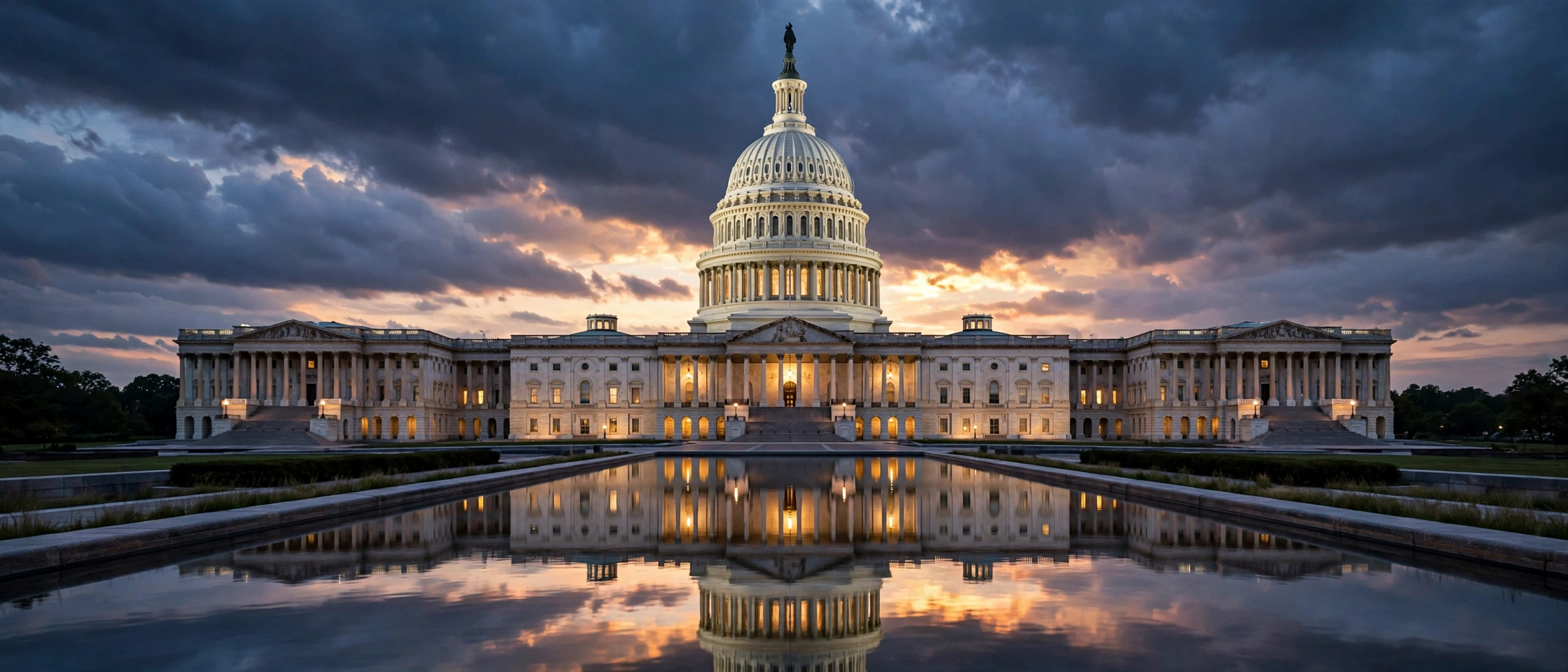
The United States Senate voted 73-25 on Monday evening to advance the Bipartisan American Affordability and Jobs Act, clearing the first major hurdle for a sweeping overhaul of how the country approves energy and infrastructure projects.
The vote, a cloture motion to proceed held at 5:30 p.m. Eastern time, needed 60 votes to pass. Nearly every Republican backed it, joined by 22 Democrats, according to reports from CNBC and The New York Times. The bill, known by its initials as BAAJA, now moves to floor debate, with final passage expected in the weeks ahead.
What the bill would change
BAAJA, formally Senate bill S. 5653, was introduced on 30 September by a four-senator group: Republicans Shelley Moore Capito and Mike Lee, and Democrats Sheldon Whitehouse and Martin Heinrich. It would rewrite parts of several landmark federal laws, including the National Environmental Policy Act, the Clean Water Act, the Endangered Species Act and the National Historic Preservation Act.
At its core, the bill sets firm deadlines for each step of the environmental review process and limits how long opponents can challenge approved projects in court. Supporters say the changes would end years-long delays that have stalled power lines, pipelines, mines and other large projects.
The bill also speaks directly to the artificial intelligence boom. It would fast-track permits for AI data centres and the power plants and transmission lines that serve them, while requiring data centre developers to pay for the grid upgrades their facilities demand. The provision has taken on fresh urgency as tech firms race to build computing capacity: Anthropic’s $3.4 billion gas-generator plan for data centres is one of several huge projects now in the pipeline, and Google’s new AI chips are driving demand for still more power.
One of the most contested provisions, Section 1401, would bar federal agencies from revoking, suspending or changing any permit in effect on or after 6 November 2026, except in a handful of narrow circumstances. A 494-page manager’s amendment released on 7 November softened some of that language, dropping a requirement that agencies prove their case by “clear and convincing evidence”, but critics say the core protection for existing permits remains intact.
A bipartisan deal, a divided reaction
The bill’s sponsors have pitched it as a fix for an ageing transmission system and a way to lower energy costs. Heinrich, the leading Democrat on the Senate Energy and Natural Resources Committee, defended the legislation at a press conference on Monday morning, arguing that the country cannot build the power grid it needs under the current rules.
Environmental groups and tribal leaders see it very differently. Food & Water Watch called the vote a step towards “a massive giveaway” to oil and big tech companies, while the Center for Western Priorities warned the bill would “largely lock in the Trump administration’s attacks on our public lands”, pointing to landscapes from Bears Ears to the Tongass and the Boundary Waters.
The National Congress of American Indians urged senators to vote no on 8 November, calling the changes superficial and warning the bill still threatens tribal sovereignty and sacred places. Former Vice President Al Gore, Senator Jeff Merkley and Representative Jared Huffman have also opposed it.
“This bill has a number of other features that merit careful analysis. Yet, the bill has never had a public hearing. Not in the House. Not in the Senate,” Merkley said, in one of the sharpest criticisms of the process. The bill was referred to the Energy and Natural Resources Committee after its introduction and never received a hearing, a markup or a committee report. Instead, its text rides on H.R. 2347, a House-passed bill about the tax treatment of sexual abuse damages — a vehicle with nothing to do with energy or permitting.
The wind-turbine wrinkle
Even as the bill advanced, one of its selling points hit a snag. Trump has said he supports the legislation, but when asked around the time of Monday’s vote whether he was willing to approve wind turbines, he replied: “No, I will not approve wind turbines.”
The remark undercut a key part of the bargain for Democrats who backed the bill in part because it would ease approvals for all kinds of energy projects, including renewables. The White House has not clarified whether the president’s objection would apply to projects approved under the new law.
What happens next
Monday’s vote was only the first of two 60-vote cloture votes the bill must clear. Whitehouse has promised a “very healthy amendment process”, though the sponsors oppose substantive changes and floor amendments would require unanimous consent.
If the Senate approves the bill, it must still pass the House of Representatives before becoming law, and the current Congress ends in January 2027. Democrats are projected to take control of the Senate in January, and supporters hope to finish the job in the lame-duck session; opponents are counting on the incoming Democratic majorities in both chambers to demand a better deal.
For now, the 73-25 vote is the clearest signal yet that permitting reform — long talked about, rarely delivered — has real momentum in Washington.