Deadly Soil Bacterium Gains Foothold in US as Study Tracks Its Spread
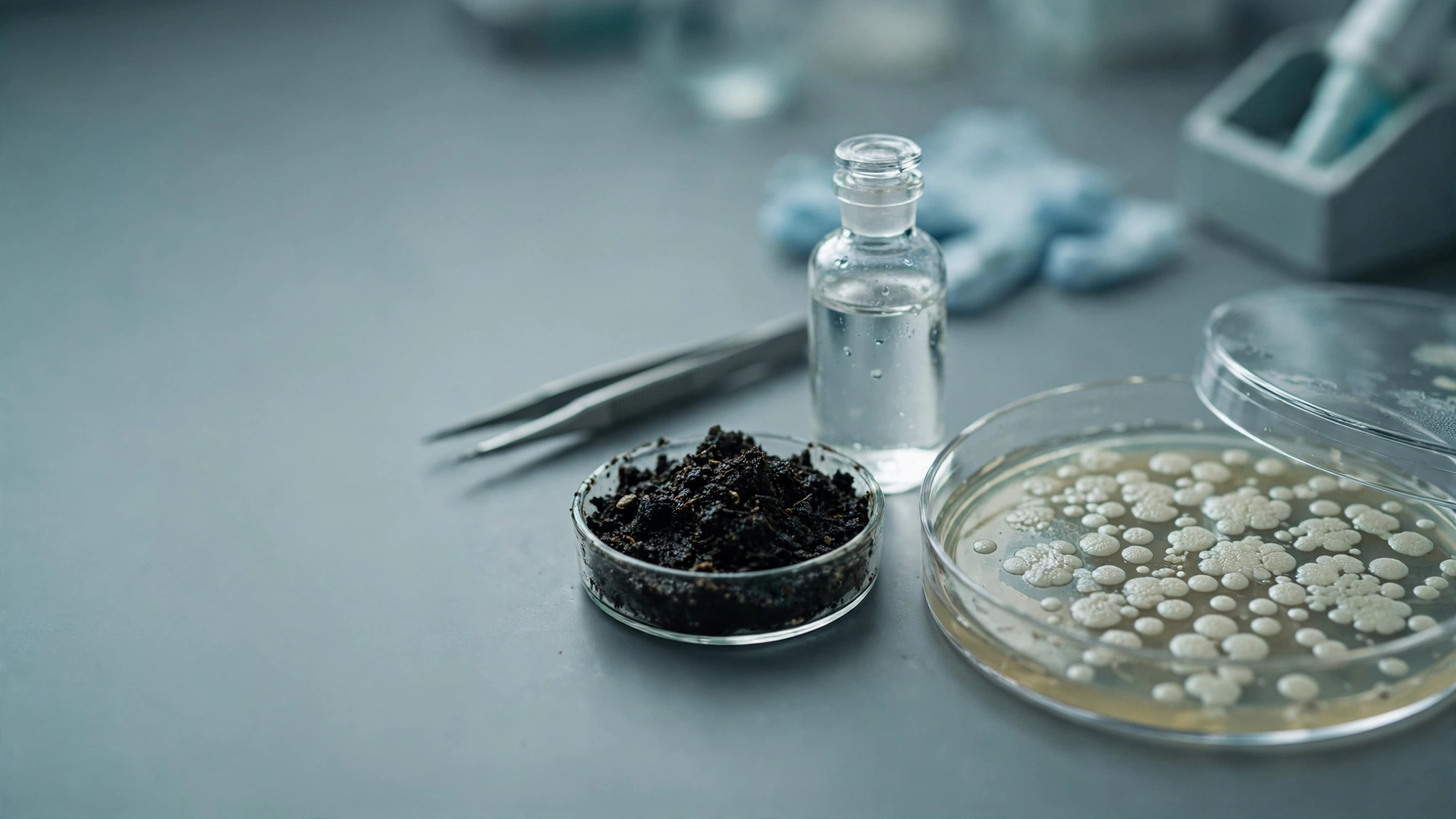
A potentially deadly bacterium that lives in soil and water, long thought of as a tropical problem, is slowly gaining a foothold in the continental United States — and a new study offers doctors a sharper way to track where it goes next.
The germ is Burkholderia pseudomallei, and the disease it causes is melioidosis. It is treated with antibiotics, but it still kills between 10% and 50% of the people it infects, according to the US Centers for Disease Control and Prevention. Researchers from the University of California, Davis, working with colleagues at Mahidol University in Thailand, have published new findings in The Lancet Microbe on how the body’s defences respond after infection, as Medical Xpress reported — work that could change how the disease is diagnosed and monitored as its range expands.
A disease that mimics many others
Melioidosis is notoriously hard to spot. People and animals pick it up through contact with contaminated soil, dust or water, often through a cut in the skin or by breathing in dust. Its symptoms range widely — fever, stomach pain and, in severe cases, seizures — and it is sometimes called “the great mimicker” because it can look like pneumonia, tuberculosis or even cancer.
That resemblance is part of what makes it dangerous. Clinicians in places where the disease is rare may not think to test for it, and treatment must start promptly. In the United States it remains relatively uncommon, but experts say awareness matters precisely because a missed case can turn serious fast.
The scale of the problem worldwide is far larger than the reported numbers suggest. A widely cited modelling study estimated about 165,000 human melioidosis cases a year around the world, of which roughly 89,000 prove fatal, with many cases never diagnosed at all.
Mississippi: the American foothold
The clearest sign that the bacterium has put down roots in the United States came from Mississippi. In 2022, researchers from the Centers for Disease Control and Prevention linked multiple human melioidosis infections to soil and water in the state, a finding published in the New England Journal of Medicine in 2023. It was some of the strongest evidence yet that Burkholderia pseudomallei has become established in the continental United States.
“Once Burkholderia pseudomallei becomes established in soil and water, it can continue to survive and replicate, creating an ongoing risk of exposure,” said Kristen Aiemjoy, assistant professor in the UC Davis Department of Public Health Sciences and co-senior author of the new study.
The organism is built to last. It can persist in the environment for very long periods, which means a single patch of contaminated ground or water can remain a source of infection long after the first case is found.
Antibodies that linger for years
The new study followed people in Thailand after confirmed melioidosis infections, measuring how long antibodies against the bacterium could still be detected in their blood. The researchers examined antibody responses to two promising diagnostic targets and found that levels can persist for years after infection.
That persistence cuts both ways. On the one hand, antibody tests can reveal where people have been exposed, even long after the event — a valuable tool for mapping a pathogen that is spreading into new territory. On the other, a positive result may reflect an old infection rather than a recent one, which complicates how doctors interpret the test.
“In places where melioidosis is rare or newly emerging, such as parts of the United States, these antibody tests may be especially useful because few people have been previously exposed,” Aiemjoy said. “But in areas where the disease has been circulating for decades, previous infections can make results more difficult to interpret.”
A widening map
Melioidosis has long been endemic in northern Australia and Southeast Asia, particularly northeast Thailand. But reports of the disease are increasing in South Asia and Africa, and scientists have warned that climate change could widen the areas where the bacterium can survive, exposing new populations.
“Better tools for tracking exposure will help us understand where this pathogen is today and where it may emerge in the future,” Aiemjoy said. “As environmental conditions change, surveillance becomes increasingly important.”
The pattern is familiar from other diseases now under closer watch in the United States. US measles cases passed 5,000 this year, and a Wisconsin infant died of measles in the state’s first such death since 1990. Health officials also recorded the first US bird flu death of 2026, linked to dairy cattle in Washington state. In each case, the lesson has been the same: infections once seen as distant or under control can reappear where surveillance is thin.
For melioidosis, the immediate task is narrower — better tests, better maps and clinicians who know to look for it. The germ is already in American soil. The question now is how far it will spread, and whether the health system will be watching when it does.
