Mamdani Strikes Deal With Trump to Delay SNAP Rules Threatening Bodegas by 90 Days
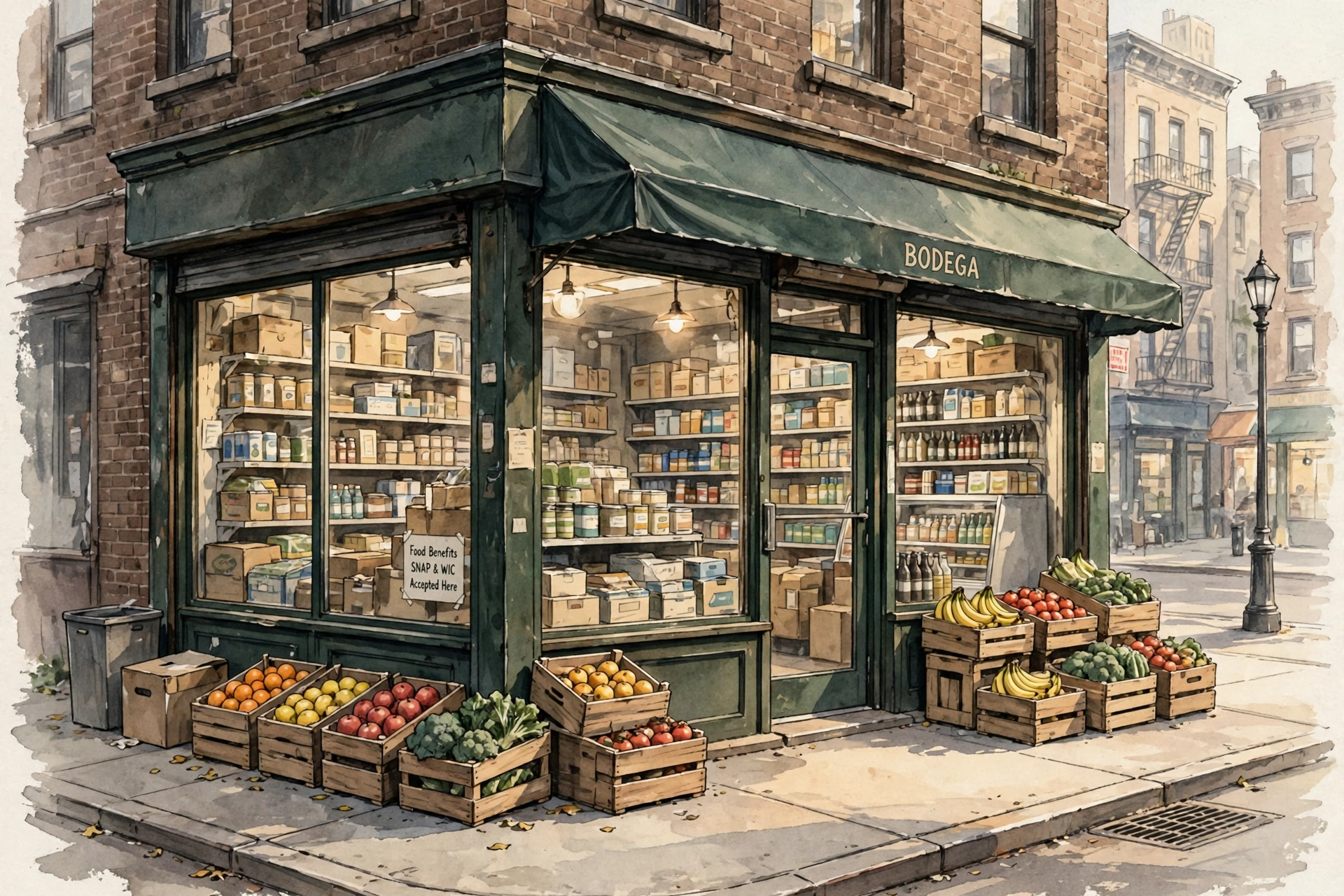
New York City Mayor Zohran Mamdani says he has struck a deal with President Donald Trump to delay new federal food-assistance rules that threatened to strip thousands of corner shops of their right to accept food stamps.
The agreement, announced at a City Hall press conference on Friday, gives retailers across the country at least 90 more days to meet tougher stocking standards for the Supplemental Nutrition Assistance Program, known as SNAP. Civil Eats reported that small grocery-store owners will have more time to implement the rule, easing fears among farmers’ markets, corner stores and bodegas about keeping their SNAP authorisation.
What Mamdani announced
Mamdani said the delay followed direct conversations with Trump and with Agriculture Secretary Brooke Rollins. He had written to Rollins weeks earlier asking for a six-month postponement of the rule, which took effect on 4 November.
“For corporate grocery giants these requirements posed little challenge, but the story was different for our neighborhood corner stores and bodegas,” Mamdani told reporters at the press conference.
The extension, he said, would last “at least” 90 days, moving the compliance date to 2 February. It applies nationwide, not only in New York.
What the rule requires
Under the new standards, a shop that accepts SNAP must stock at least seven varieties of food in each of four staple categories — dairy, grains, protein, and fruit and vegetables — up from three varieties before. Shops must also offer perishable goods in three of the four categories. In total, the number of items a retailer must carry rises from seven to 28.
The standards were mandated by the 2014 farm bill and drawn up by the US Department of Agriculture. For large supermarkets, the change was manageable. For corner shops, bodegas and small grocers, many of which operate from cramped premises with limited refrigeration, it was far harder.
Why small shops were at risk
Bodegas, convenience stores and small grocers make up roughly 70 per cent of all SNAP retailers, according to the Food Research and Action Center, so a rule that hits those shops hits the programme itself.
Mamdani said more than 100 bodega owners had contacted his office for help, and New York City alone has more than 10,000 bodegas and corner stores. In the city, SNAP purchases can account for between 15 and 30 per cent of a bodega’s total sales.
Mamdani said the new guidelines had thrown the lives of “more than a million New Yorkers” and “tens of millions more across America” into chaos.
“Without more time, many of these stores risked losing the ability to accept SNAP — threatening their livelihoods and making it harder for families to put food on the table,” he said in a statement.
The USDA has confirmed the delay, and retailers’ groups have welcomed it. The National Association of Convenience Stores thanked Trump, Mamdani and Rollins for giving stores more time to comply, Agri-Pulse reported.
A pause, not a reversal
The 90-day delay does not change the rules themselves. The stocking requirements still take effect in February unless they are changed or delayed again, and Mamdani framed the announcement as a quick fix for an “impossibly short” deadline rather than a settlement of the issue.
The announcement comes in a month of upheaval for the programme. The USDA has separately published a proposed rule that would end food assistance for an estimated 6.3 million people by narrowing the route households use to qualify automatically for SNAP. The Supreme Court blocked full SNAP funding in a separate case earlier this month, and the Trump administration delayed enforcement of Medicaid work requirements by six months in another benefits decision this week.
What happens next
Mamdani said local agencies would work with the USDA to help store owners with outreach and resources so they can come into compliance. The test will be whether 90 days is enough for the smallest shops to source the extra goods, add storage and refrigeration, and rearrange shelves that were never built for a 28-item minimum.
For now, the reprieve keeps food-stamp access intact at the corner shops millions of Americans rely on — and gives Washington three months to decide whether the deadline, or the rule itself, needs to change.