Haiti Police Retake National Stadium After Two Years of Gang Control
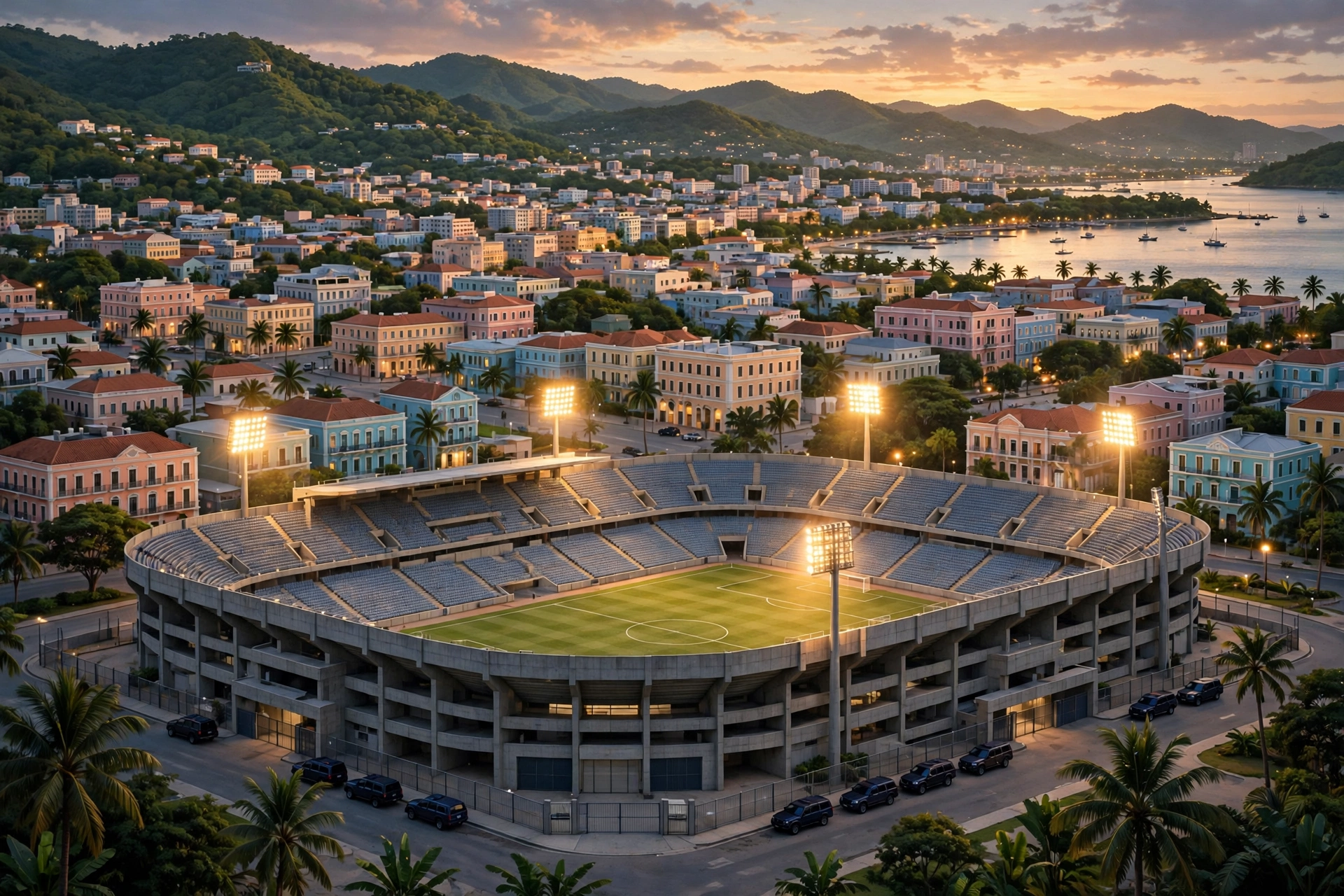
Haitian security forces retook the country’s main football stadium on Thursday, ending two years of gang control over one of Port-au-Prince’s most visible landmarks and handing the venue to Salvadoran troops in the biggest territorial gain yet of the joint offensive against the capital’s gangs.
France 24, with AFP, reported that Haitian security forces regained control of the country’s main stadium on Thursday after it had been under gang control for two years, forcing the national soccer team to play elsewhere. The Haitian National Police said in a statement that it had taken “full control” of the 10,000-seat Sylvio Cator Stadium with the Task Force, a government security group, and then left the venue in the custody of Salvadoran soldiers. Salvadoran state television said its forces had taken position at the stadium.
The operation is part of El Salvador’s deployment of about 2,000 troops to Haiti, ordered by President Nayib Bukele after four Salvadoran soldiers went missing following an ambush on 18 October in Port-au-Prince. The crisis has drawn wider diplomatic attention: G7 foreign ministers listed Haiti among the crises on their agenda in Paris.
A stadium held by gangs since 2024
The stadium fell to armed groups in 2024. In March that year, the Haitian Football Federation said the ground and its surroundings had been occupied by armed individuals since 29 February, that one of its employees had been kidnapped, and that the stadium had been vandalised.
The loss of the ground forced Haiti’s national team to play its home matches abroad, including World Cup qualifiers in Curacao. The team, made up almost entirely of players based outside Haiti, qualified for the 2026 World Cup but was eliminated in the group stage.
Gangs control much of the country, the poorest in Latin America and the Caribbean, and the United Nations estimates that about 90 per cent of Port-au-Prince is controlled by violent gangs. The stadium sits close to the Bicentenaire, Portail-Leogane and Martissant districts, areas long threatened by gang violence, so holding it gives the joint force a strategic position in central Port-au-Prince.
How the operation unfolded
Haitian reporting cited more than 20 armoured vehicles and trucks at the site, and local media reported clashes near the stadium on Thursday morning as security forces established their positions. The Haitian Tribune reported that Le Nouvelliste had described Salvadoran troops and vehicles stationed inside the stadium on Thursday.
Bukele said in a post on X that the operation involved Haiti’s National Police, the Haitian Armed Forces, the government’s Task Force and Salvadoran Special Forces, and that the forces would establish an operational base at the stadium from which to push further into gang-held areas. He also said officers found several human skulls inside the stadium during the operation. That claim has not been independently verified.
Bukele warned gang members to leave the surrounding area before security forces launch the next phase of their offensive. Authorities have not publicly provided details about the timing or scope of that next operation.
Bukele’s offensive widens
The stadium operation follows a string of Salvadoran-backed actions. On 8 November, a Haitian police operation supported by Salvadoran troops killed 20 people in Croix-des-Bouquets, near Port-au-Prince, Al Jazeera reported. On 10 November, Bukele said the operation had destroyed the headquarters of 400 Mawozo, one of Haiti’s largest gangs, and the house of its leader, Lanmo San Jou.
The four missing Salvadoran soldiers serve with the Gang Suppression Force, a UN-backed multinational group, which has distanced itself from the Salvadoran rescue mission. Bukele’s contingent operates separately from that force.
Bukele has won attention for subduing gangs in El Salvador but has also faced accusations of human rights violations, and the scale and legal basis of his deployment to Haiti have drawn scrutiny from rights groups and from the multinational force itself.
What it means for Haiti — and for the United States
The recapture is symbolically important but limited. Securing one site does not by itself restore safety across the capital, and the stadium’s return does not mean international football can come home yet.
For the sport, the immediate consequence is still felt abroad: Haiti’s designated home match against the United States in the CONCACAF Nations League quarter-finals was moved to Miami, with the first leg scheduled for 14 November and the return leg in Cincinnati on 17 November. For the thousands of Haitians living in the United States, the Miami fixture is the closest thing to a home game the team has had in years.
Whether the stadium can be secured, repaired and used again will be an early test of whether the joint offensive can hold ground it has taken — or whether, as in much of Port-au-Prince, control proves easier to seize than to keep.
When did gangs take the Sylvio Cator Stadium?
Armed groups occupied the stadium and its surroundings from 29 February 2024, according to the Haitian Football Federation, which said the ground had been vandalised and one of its employees kidnapped.
Who controls the stadium now?
Haitian police retook the stadium on 12 November 2026 with the government’s Task Force and handed security to Salvadoran soldiers, who are stationed at the venue.
What is the Gang Suppression Force?
It is a UN-backed multinational force deployed in Haiti. The four missing Salvadoran soldiers serve with it, but Bukele’s rescue contingent operates separately, and the force has distanced itself from that mission.