E. Coli Outbreaks at Pumpkin Patches and a Fair Petting Zoo Sicken Children in Three States
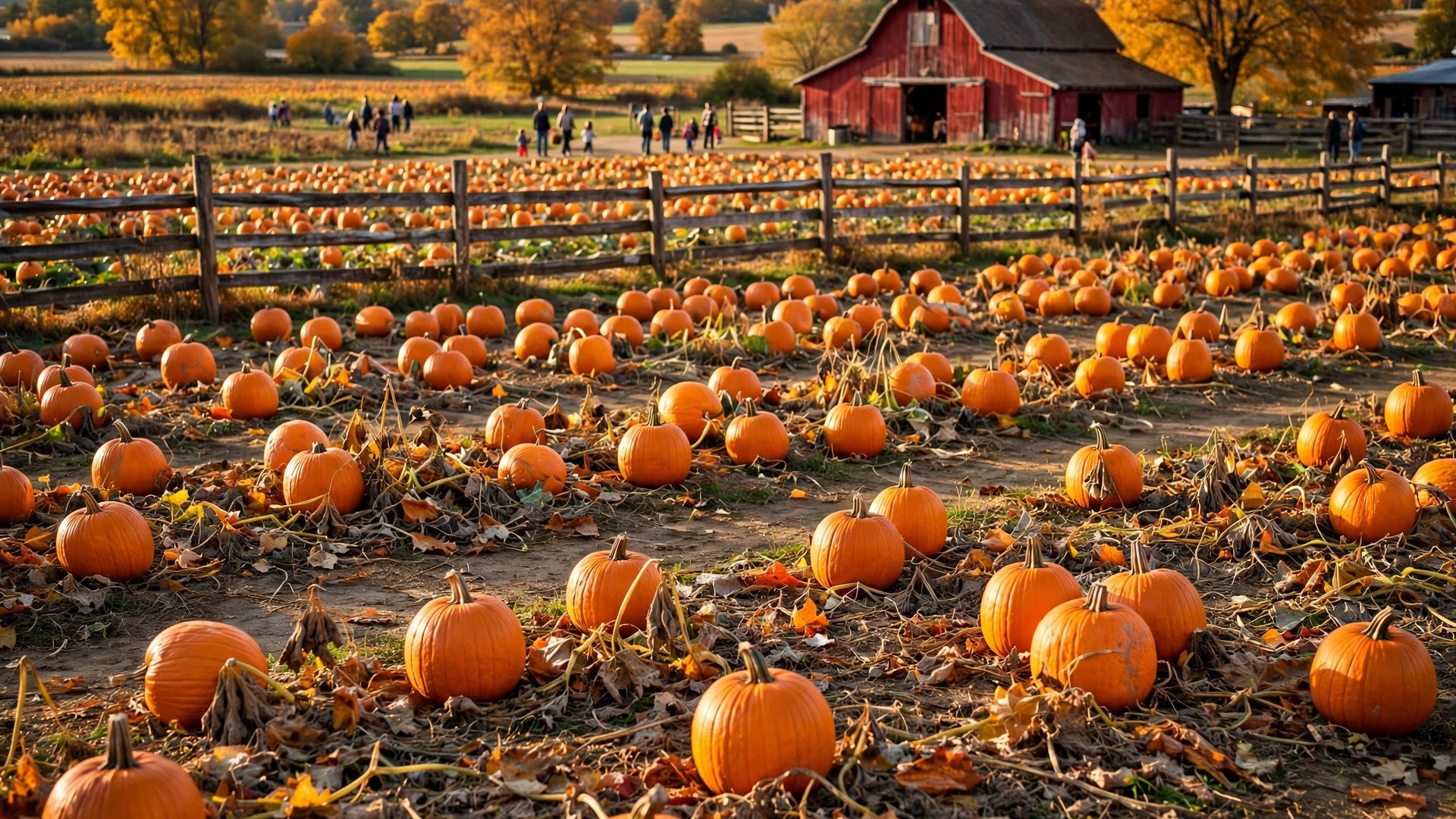
What was supposed to be a carefree fall outing has turned into a health warning for families in three states. Health officials are investigating E. coli infections linked to two pumpkin patches and a state fair petting zoo, with children among the hardest hit and at least three patients developing a serious kidney complication.
The cases, reported in California, Illinois and Texas, share a familiar fall pattern: children, animals, dirt and food in close quarters. Investigators have not found a single common source connecting all three sites, and in at least one case the link remains suspected rather than confirmed. But the numbers, and the severity in young patients, have prompted urgent advice for anyone who visited the attractions in recent weeks.
Altogether, county health departments and food-safety reporting put 10 confirmed and 17 suspected Shiga toxin-producing E. coli infections on the record in the past week across the three investigations. Three of the confirmed patients have developed hemolytic uremic syndrome, or HUS, a kidney condition that can follow E. coli infection and is most dangerous in young children.
California: Brookshire Farms investigation grows to 13 cases
The largest cluster centers on Brookshire Farms, a pumpkin patch and corn maze on Los Osos Valley Road in San Luis Obispo, California. The County of San Luis Obispo Department of Public Health said its investigation now includes five laboratory-confirmed E. coli O157 cases and eight more cases under investigation, people with symptoms consistent with the infection who visited the farm between October 16 and October 26.
Three people have developed HUS, and one additional person was hospitalized and released, the county said. Brookshire Farms remains closed while the investigation continues, and county officials said the farm has been cooperative. The source of the infections on the farm is still under investigation, and no specific food, water line, animal contact point or surface has been named as the cause.
County Health Officer Dr. Christy Mulkerin urged anyone who visited the farm during the exposure period and develops symptoms to contact a health care provider immediately. In a statement reported by Food Safety News, she said the department is working diligently to identify the source to protect the health of the community.
Earlier reporting described three children in pediatric intensive care in the California cluster. Health officials have not released the patients’ names, ages or hospital locations. The farm, known for pumpkin picking, hayrides, a corn maze and other seasonal attractions, voluntarily shut down days before Halloween and has said it will stay closed for the rest of the season while testing continues.
Illinois: Five cases tied to Bengtson’s Pumpkin Farm
A second investigation is underway at Bengtson’s Pumpkin Farm in Homer Glen, Illinois, where five people with Shiga toxin-producing E. coli infections all visited the farm before becoming ill. Four of the five have been hospitalized, according to the Will County Health Department, with patients ranging in age from four to 38.
Bengtson’s closed its petting zoo on October 23 while keeping its rides, food stands and corn maze open. Animal, bedding and water samples were sent to the state laboratory, with results expected around November 5. More than 200 visitor surveys are under review as investigators try to narrow down where exposure may have occurred.
Food Safety News advises that anyone whose child visited Bengtson’s on or after September 29 and develops bloody diarrhea, severe cramps, decreased urination, unusual paleness or lethargy should see a doctor and mention the farm visit.
Texas: Nine suspected cases after State Fair petting zoo visit
In Texas, Dallas County health officials are looking at nine suspected cases in children who visited the State Fair of Texas petting zoo, some of them in intensive care at two hospitals, according to weekend reporting that summarized county statements. Unlike the California and Illinois clusters, these cases are suspected, not laboratory-confirmed, and the fair has said it has no confirmed link to the illnesses.
That distinction matters. A suspected case means symptoms and a visit history point investigators in a direction; it does not prove where an infection came from. Dallas County’s public press release page carried nothing about the investigation as of Friday, according to the same reporting, leaving parents with less official detail than in the other two states. NationWire will update this story if Dallas County confirms cases or identifies a source.
Why children face the highest risk
Shiga toxin-producing E. coli, often shortened to STEC, can cause severe stomach cramps, diarrhea that is often bloody, vomiting and sometimes fever. Symptoms usually start three to five days after exposure but can take up to 10 days to appear, according to the San Luis Obispo County health department.
Children under 10 are at the highest risk of complications, including HUS. That condition damages red blood cells and can injure the kidneys. Warning signs that should prompt immediate medical care include decreased urination, unusual paleness, fatigue and irritability in a child recovering from diarrhea. Health officials stress that HUS can develop a week or more after diarrhea starts, so a child who seems to be getting better still needs close watching.
STEC spreads through contaminated food or water, contact with animals and their environments, contaminated surfaces, and from person to person when handwashing falls short, according to the California Department of Public Health. That is why petting zoos and pumpkin patches, where visitors move between animals, dirt, food and play areas, require particular care.
What parents should do now
Health officials have issued the same core advice across all three investigations. If you or your child visited Brookshire Farms between October 16 and October 26, or Bengtson’s on or after September 29, and develop stomach cramps, bloody diarrhea, vomiting or fever, contact a health care provider right away and mention the farm visit. Do not wait to see whether symptoms pass on their own.
For future visits to any pumpkin patch, corn maze or petting zoo, the guidance is straightforward: wash hands thoroughly with soap and water after touching animals, fences or dirt and before eating; supervise young children closely around animals; keep food and drinks away from animal areas; and wash pumpkins and any surfaces they touch. Once a pumpkin is carved, avoid further handling, and wash hands again after handling pumpkins.
Anyone contacted by public health investigators is strongly encouraged to cooperate, officials said, because detailed visit histories are often what allow investigators to pinpoint a source and prevent more cases.
What investigators still do not know
The central unanswered question is whether these clusters share anything beyond the season. No evidence has been reported linking the California, Illinois and Texas cases to a common food supplier, animal exposure or contaminated product. Each investigation is proceeding separately, and officials have been careful to describe the farm links as suspected or potential, not proven, while testing continues.
That caution is important for families and for the farms themselves. A pumpkin patch can be a suspected exposure site without being the confirmed source, and closing voluntarily, as Brookshire Farms did, is a precaution while investigators work. The Illinois sample results expected around November 5 could narrow the picture, and any update from Dallas County could change the Texas count in either direction.
For now, the practical message is unchanged: fall attractions remain popular for a reason, but this season’s clusters are a reminder that handwashing, supervision and prompt medical attention matter most when the patients are children.
Frequently asked questions
What is Shiga toxin-producing E. coli?
It is a type of E. coli bacteria that produces a toxin capable of causing severe intestinal illness and, in some patients, hemolytic uremic syndrome, a serious kidney complication.
What are the symptoms, and when do they appear?
Severe stomach cramps, diarrhea that is often bloody, vomiting and sometimes fever, usually three to five days after exposure and sometimes up to 10 days later.
Which farms are under investigation?
Brookshire Farms in San Luis Obispo, California; Bengtson’s Pumpkin Farm in Homer Glen, Illinois; and the State Fair of Texas petting zoo in Dallas, where cases remain suspected and unconfirmed.
Should I seek care if my child visited one of these sites?
Yes, if symptoms develop. Contact a health care provider immediately, mention the farm visit, and watch for HUS warning signs such as decreased urination, unusual paleness, fatigue or irritability.
Are the three outbreaks connected?
No common source has been identified. Investigators are treating each site separately, and officials have not reported evidence linking the clusters.
Sources: Food Safety News, “E. coli infections reported among children who visited pumpkin patches, petting zoos” (Food Safety News); San Luis Obispo County Department of Public Health update via LexBlog, “Brookshire Farms Pumpkin Patch E. coli Outbreak Grows to 13 Sick – Three with HUS” (LexBlog); LexBlog weekend wrap-up, October 31, 2026 (LexBlog).