COP31 Opens in Antalya as US Stays Away on Paris Anniversary
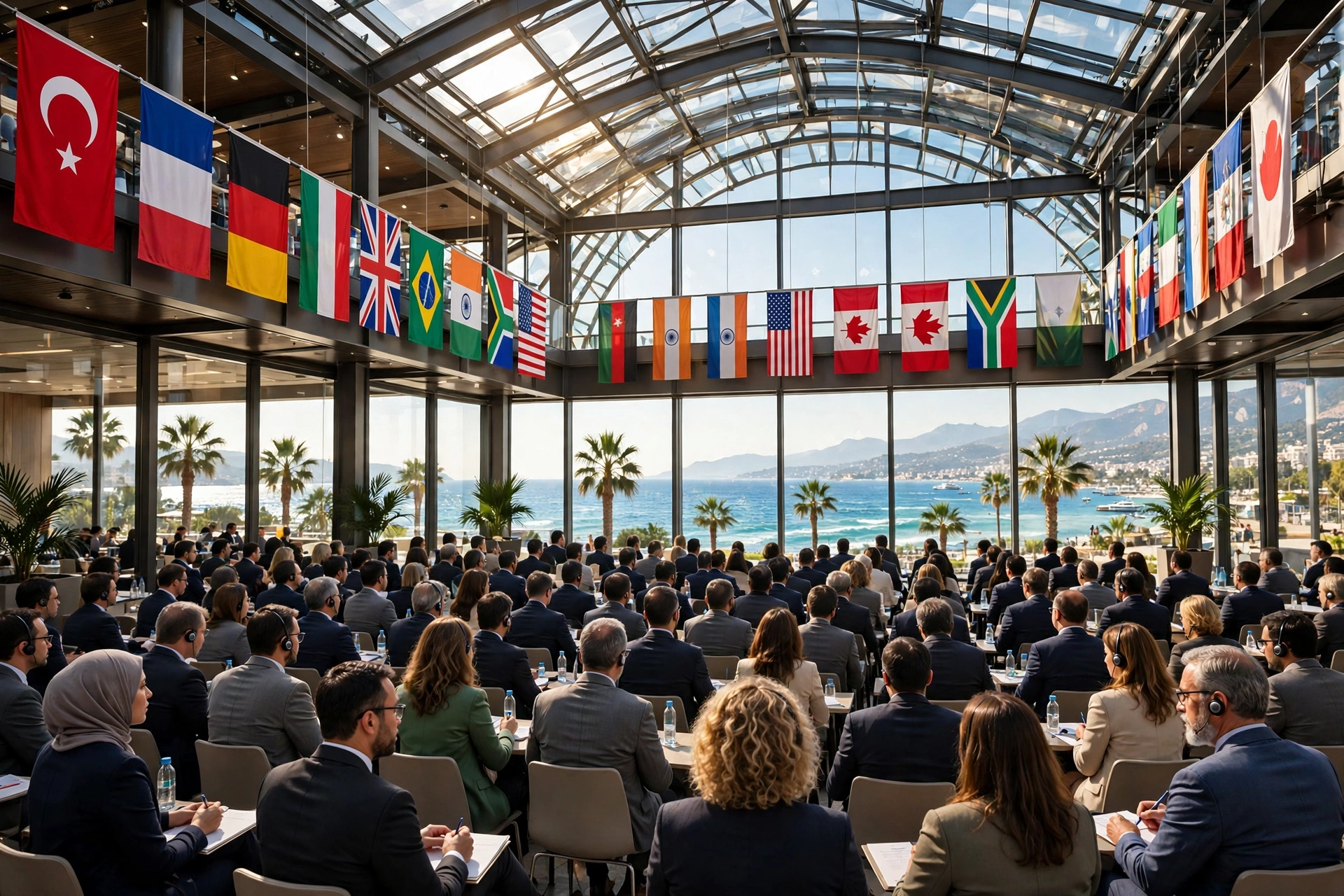
The 31st United Nations climate conference opens in Antalya, Turkey, on Monday, with nearly 200 countries gathering for two weeks of talks — and with the United States, the world’s second-largest emitter, absent from the negotiating table.
COP31 runs from 9 to 20 November at the Antalya Expo Center on Turkey’s Mediterranean coast. It is the first climate summit since the United States formally withdrew from the Paris Agreement at the start of this year, and it coincides with the tenth anniversary of that agreement entering into force.
The opening plenary is scheduled for 10 a.m. local time. A World Leaders’ Summit follows on 11 and 12 November, with Brazil’s President Luiz Inácio Lula da Silva among those expected to attend.
A summit with two presidencies
COP31 has an unusual arrangement at the top. Turkey is hosting the talks and holds the presidency, led by Environment Minister Murat Kurum, while Australia will preside over the formal negotiations, with its climate minister, Chris Bowen, serving as president of negotiations. The compromise followed a contest between the two countries for the presidency.
Kurum has set the goal of moving beyond climate pledges to the concrete implementation of existing commitments. Alongside the formal agenda, the presidency has introduced an Action Agenda organised around ten themes, including the clean energy transition, electrification, zero waste, methane reduction and climate-resilient cities.
One voluntary pledge, known as 35-by-35, aims to raise electricity’s share of total energy consumption to 35 percent by 2035, up from 23 percent today.
The United States stays away
The United States will not send an official delegation to Antalya. President Donald Trump withdrew the country from the Paris Agreement in January 2026, and Washington has also given notice of leaving the UN climate treaty itself, effective 27 February 2027.
Members of Congress and American businesses are still expected to attend, according to the Council on Foreign Relations, so there will be American representation even though the White House itself is absent.
The absence is not unprecedented — this is not the first COP to take place without US participation — but it comes at a consequential moment. The Paris Agreement’s stretch goal of limiting global warming to 1.5°C above pre-industrial levels has slipped out of reach, according to the UN Environment Programme’s 2026 Emissions Gap Report.
The report finds that keeping warming to well below 2°C would require emissions to fall 18 percent by 2030, 45 percent by 2035 and 69 percent by 2040, compared with 2025 levels. Under current policies, temperatures are now expected to rise by around 2.8°C by the end of the century, or around 2.6°C if the most recent climate commitments are fully implemented. August 2026 joined July 2023 as the hottest month on record globally, according to the EU’s Copernicus climate service.
Finance is the hardest fight
Climate finance is likely to prove the most contentious issue on the formal negotiating agenda. Developing nations will press wealthy countries to deliver on existing funding commitments, including the COP29 goal of mobilising at least $300 billion a year in climate finance by 2035 and the COP30 call to at least triple adaptation finance over the same period.
Developed countries provided and mobilised a record $136.7 billion in climate finance in 2024, according to the Organisation for Economic Co-operation and Development. But developing nations are seeking faster and larger payouts, and they note that loans can add to debt distress — a point that will be pressed hard in Antalya.
Fossil fuels are the other flashpoint. At COP30 in Belém, the parties failed to formalise a roadmap for transitioning away from fossil fuels, even though the measure drew support from a broad coalition of more than eighty countries. The outcome document omitted the words “fossil fuels” altogether, a step back from the Glasgow Climate Pact and the UAE Consensus. Whether the issue makes it into formal text in Antalya remains open.
Methane, stocktake and the road ahead
Methane is one area where faster progress is possible. More than 150 countries have signed the Global Methane Pledge since COP26, and the gas is responsible for about 30 percent of global warming. Turkey has made methane reduction a priority for the summit — a focus sharpened by satellite data showing methane leaking from a landfill west of Istanbul at a rate that places it among the world’s largest recorded landfill emitters.
COP31 will also begin the second global stocktake, the formal inventory of progress towards the Paris Agreement’s goals. But the scientific process behind it is faltering: the Intergovernmental Panel on Climate Change has not agreed when it will finalise its next set of reports, after member states failed to agree on a timeline at a meeting in October.
Major concrete outcomes are not expected from Antalya, and the Global Landscapes Forum notes that the summit will have to navigate the highest geopolitical tensions in decades. But the process itself still matters: every year, countries are expected to show up and lay bare what they have — or have not — accomplished. For the United States, climate policy will now be shaped at home, not in Antalya — while the rest of the world negotiates without it.