Supreme Court Declines Maryland ‘Sensitive Places’ Gun Case, Leaving Carry Bans in Place
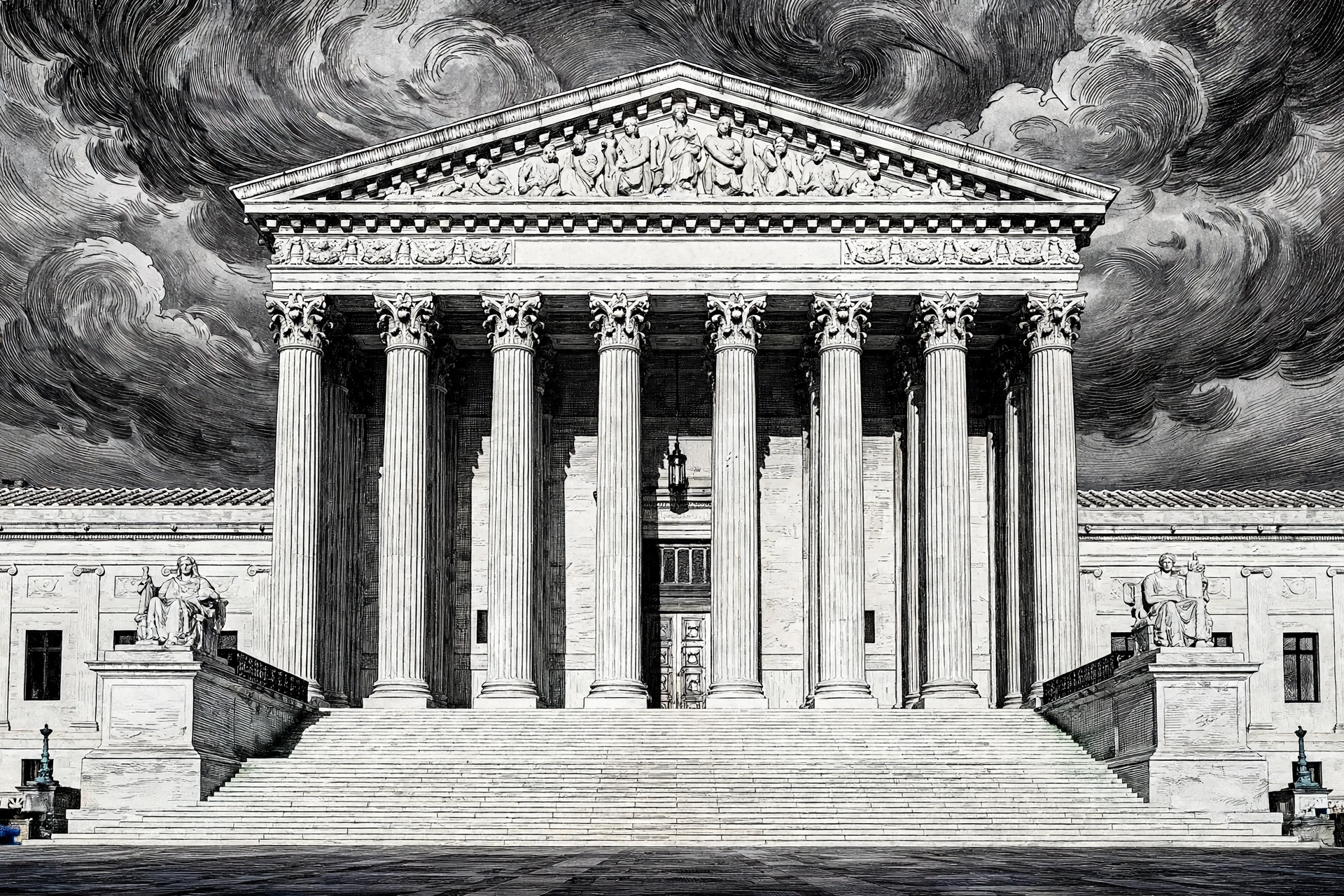
The United States Supreme Court on Monday declined to hear a challenge to Maryland’s sweeping “sensitive places” gun-carry bans, leaving in place a lower-court ruling that upheld the restrictions. The one-line order, issued without explanation, means Maryland’s 2023 law — one of the broadest location-based carry bans in the country — stays in force for now.
But the decision came with a warning. Justice Clarence Thomas, who wrote the court’s landmark 2022 gun-rights ruling, said he was sceptical the bans are lawful and signalled the court should take up the question in a future, more narrowly focused case.
What Maryland’s law bans
Maryland’s law, signed in 2023 by Democratic Governor Wes Moore, bars licensed gun owners from carrying firearms in a long list of places the state designates as sensitive. The bans cover public demonstrations, mass transit, places of amusement, healthcare facilities and locations that sell alcohol for on-site consumption, as well as tens of thousands of acres of state park and forest land.
College campuses, hospitals, power plants and amusement parks are also covered, alongside places that sell alcohol or cannabis for consumption on the premises. The 2023 measures sit on top of older limits covering schools, casinos, public transit and protest sites.
The law was one of several passed by states after the Supreme Court’s 2022 decision in New York State Rifle & Pistol Association v. Bruen, which expanded gun rights and set a new test for firearms restrictions. Lawmakers in Maryland and elsewhere moved quickly to redraw where guns could lawfully be carried in public.
The challenge and the lower courts
Gun-rights groups, including the Maryland affiliate of the National Rifle Association, and several firearms-owning residents sued to challenge the law, Reuters reported. A federal judge in 2023 upheld some of the location limits and blocked others, prompting appeals from both sides. The Richmond-based Fourth U.S. Circuit Court of Appeals then approved the disputed bans in a decision captioned Kipke v. Moore.
The challengers asked the Supreme Court to review that ruling in a case called Novotny v. Moore. On Monday, the justices declined. A denial of certiorari sets no precedent and decides nothing on the merits; it simply means the court will not hear the case, and the Fourth Circuit’s ruling stands.
Thomas: sceptical, but not yet
Justice Thomas, who authored the Bruen ruling, wrote a statement respecting the denial that read as both a rebuke of Maryland’s approach and an invitation to future challengers. He said he was “skeptical” that each of the state’s laws is “consistent with this Nation’s historical tradition of firearm regulation” in “sensitive places” — the history-based test Bruen requires.
Thomas warned that expanding the sensitive-places category “to all places of public congregation” would “eviscerate the general right to publicly carry arms for self-defense.” He agreed with the decision not to grant review only because the breadth of the challengers’ case “would complicate our review,” adding: “In an appropriate and more narrowly focused case, however, we should consider the scope of states’ authority to ban firearms in ‘sensitive places.'”
He also noted that states have “seized on the idea of ‘sensitive places'” to prohibit carrying in locations that “bear little resemblance to legislatures, polling places, or courthouses.”
What happens next
The issue is unlikely to stay away from the court for long. On December 2, the justices are scheduled to hear a challenge to state restrictions on assault-style rifles, giving them another chance to define the reach of the Second Amendment after Bruen.
Maryland is not alone. New Jersey prohibits firearms in at least 25 locations, including zoos, public libraries, casinos and state-owned beaches, while New York has designated 20 locations as sensitive. USA Carry noted that gun-rights advocates are expected to bring a narrower challenge to one of those schemes — the kind of case Thomas indicated the court should take.
Gun litigation continues to move quickly through the courts. The Justice Department sued the city of Glendale over $2,000 concealed-carry permits earlier this month, and Florida’s attorney general called the state’s bump-stock ban unconstitutional.
The ruling came on the same day the Supreme Court rejected a Trump administration bid to cut DEI research grants. The court also declined a separate Virginia gun case on Monday.
For now, Maryland gun owners must continue to leave their firearms behind at the places the state has listed — and wait for the next case to reach the court.


[…] Blackout Coming: What Today’s Nationwide Emergency Alert Test Really Is Supreme Court Declines Maryland ‘Sensitive Places’ Gun Case, Leaving Carry Bans in Place US Closes ‘Cloud Loophole’ on AI Chips in New Rule Aimed at China US and Russia Set to […]