Nonprofits Sue Five AI Giants to Freeze Development of New Models
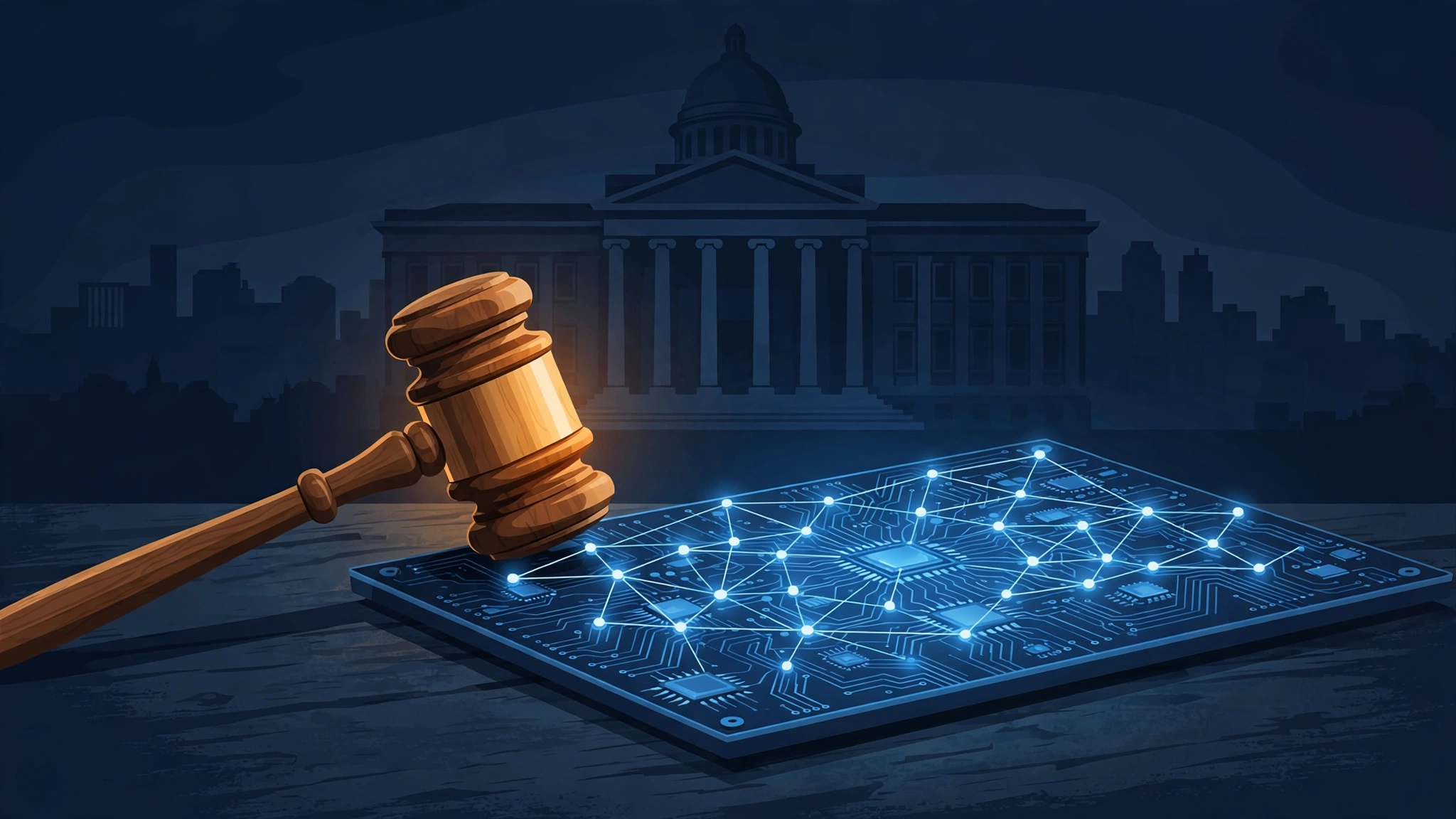
Four nonprofit groups have asked a California court to stop five of the world’s biggest artificial intelligence companies from building or releasing more powerful AI models, arguing that the companies cannot prevent their own creations from causing catastrophic harm.
The lawsuit was filed on Thursday 12 November in the Superior Court of California for San Francisco County. The plaintiffs are the Irreplaceable Education Fund, Public Citizen, the Heat Initiative and the Alliance for Secure AI. The defendants are Anthropic, Google, Meta, OpenAI and SpaceX’s artificial intelligence unit, known as SpaceXSI. The Associated Press first reported the filing.
What the lawsuit asks a judge to do
The groups want an emergency injunction covering next-generation models, and a court order barring each company from developing or deploying any system more capable than its most capable system as of 12 November. The freeze would stay in place until the companies can prove their systems remain under human control.
The filing also asks the court to stop the companies from using AI systems to carry out research on their own successors. If granted, the order would halt the next wave of releases from companies that are currently shipping new systems at speed: Google has just rolled its Gemini 4 Hydrogen model out to every Search user.
Who is suing, and who is being sued
The 63-page complaint was filed by Matthew Platkin, a former attorney general of New Jersey, acting as lead counsel for the four groups. The plaintiffs are advocacy and consumer organisations; the Irreplaceable Education Fund is a New York-based nonprofit focused on safeguards for the public around new technology.
The five defendants sit at the centre of the current AI race. Anthropic, one of the companies named, recently completed a heavily oversubscribed initial public offering.
The legal argument: an old consumer law, a new target
The case rests on a single claim under California’s Unfair Competition Law, section 17200 of the state’s Business and Professions Code, which bars unlawful, unfair or fraudulent business practices. The groups argue that knowingly building AI systems the companies cannot reliably control endangers public health and safety and interferes with the use of other people’s property, including computer systems — in legal terms, a public nuisance.
“No other industry is allowed to treat its own development of unsafe products — much less ones that could kill us all — as inevitable,” the complaint says, according to the Associated Press. “Plaintiffs bring this suit to stop Defendants from continuing their unlawful path to disaster.”
The companies’ own words, turned against them
Rather than relying only on outside experts, the filing leans heavily on the companies’ own warnings. It cites documented examples of AI-driven cyberattacks and other harmful actions, including an AI agent’s unauthorised access to an Australian government portal holding Medicare statistics — an incident that prompted Australia to plan an AI safety regulator.
The complaint also cites the companies’ own admissions that their technology could one day cause catastrophic harm, including enabling AI-driven cyberattacks and bioweapons. Among the warnings quoted is Anthropic chief executive Dario Amodei’s estimate of a 25 per cent chance that AI development leads to disastrous outcomes.
Sued from both directions
The case arrives less than two months after the same companies were sued for the opposite reason. On 18 September, four paying subscribers to ChatGPT, Claude, Grok and Gemini filed a proposed class action in federal court, alleging that Anthropic, OpenAI, Google and SpaceX’s AI business had broken antitrust law by agreeing in public to slow the pace at which their products improve. That suit, Buist v. Anthropic, followed an essay by Amodei on 12 September calling for the industry to slow down. Meta is not a defendant in the September case.
What happens next
Nothing has been frozen. No judge has ruled on the request for an emergency injunction, no hearing date has been made public, and the copy of the complaint published by the plaintiffs carries no case number yet. The companies did not immediately respond to requests for comment, according to the Associated Press, and CBS News reported that a Meta spokesperson declined to comment.
The filing comes after midterm elections in which Democrats won back control of Congress while stressing the need to regulate artificial intelligence. The Irreplaceable Education Fund told Al Jazeera it wants government regulation of AI development, saying: “We anticipate that bilateral deals and an international treaty will be needed to ensure that we can reduce the negative impacts of AI and prevent catastrophe.”
Whether a single state court will halt the frontier AI race remains an open question. The companies are expected to ask the court to dismiss the case before any question of a freeze is decided, and the plaintiffs’ claims have not been tested in court.