US Homelessness Posts Largest Drop in Over a Decade
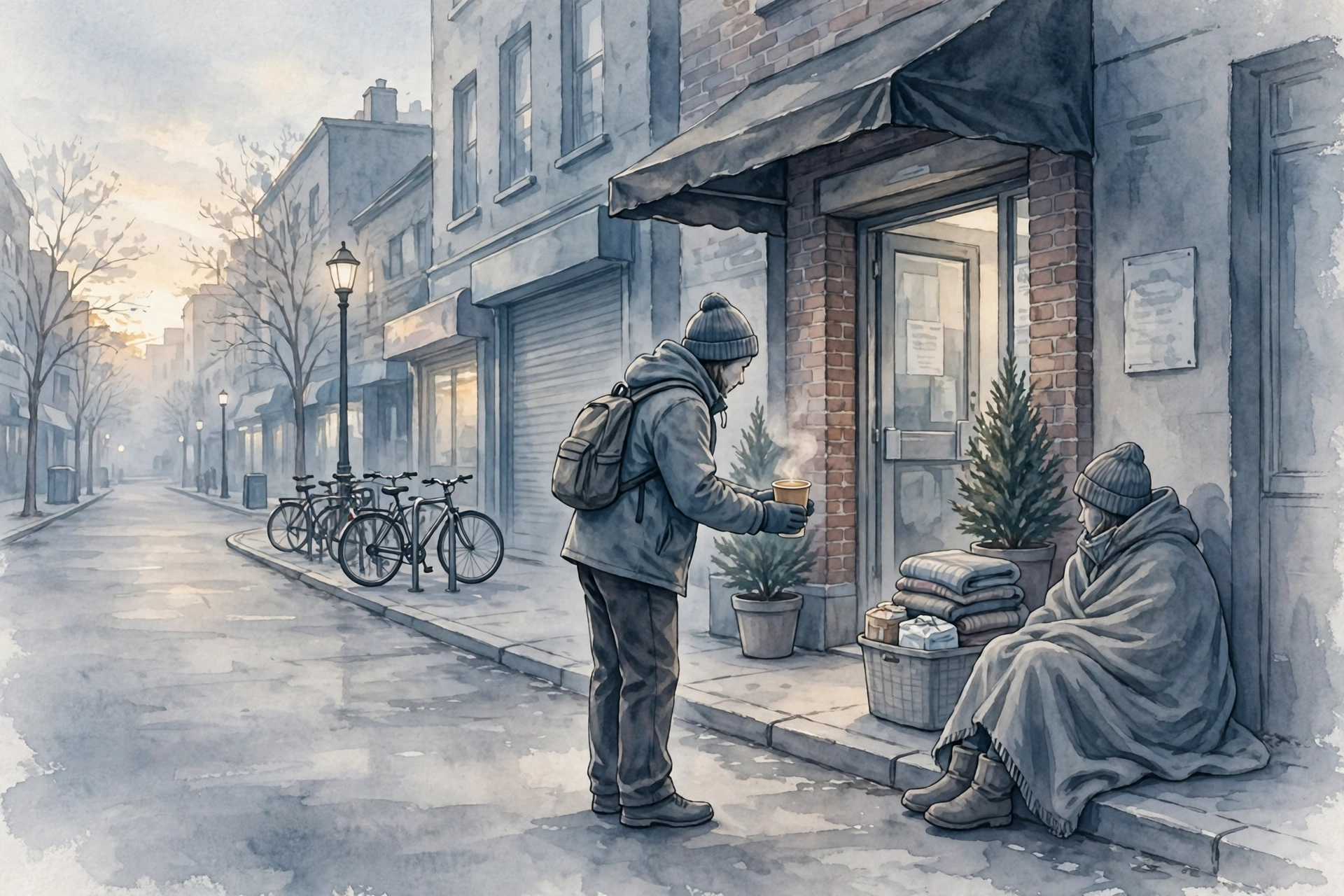
Homelessness in the United States fell by more than 6% in the latest annual nationwide count, the largest single-year drop in more than a decade, the Department of Housing and Urban Development (HUD) announced on Saturday, 7 November.
The count found 698,425 people living in shelters or on the streets on a single night — roughly 49,000 fewer than the previous count. It is the second consecutive annual decline, after a smaller fall the year before, and it follows years in which the total climbed to record highs.
HUD has not yet posted a detailed report behind the headline figures, so state-by-state and population-level breakdowns are still to come. Even so, the topline number marks a clear turn: the previous count, of 745,652 people, was the first decline since 2016, and the count before that, in January 2024, reached 771,480 — the highest since HUD standardised its methodology in 2007.
Two very different explanations for the same fall
HUD Secretary Scott Turner credited the Trump administration’s immigration enforcement and its crackdown on encampments. “President Trump’s actions to secure the border, get criminal illegals off our streets, and restore safety to our communities drove a historic decrease in homelessness,” Turner said in the press release announcing the results, as NPR reported.
But a second analysis of the same count, commissioned by the advocacy group the National Alliance to End Homelessness, found a similar decline and credited different reasons. Its chief executive, Ann Oliva, said: “It’s good news that more people are getting housed, and that the programs that are funded by Congress are working.”
The disagreement goes to the heart of a policy fight over how the federal government should spend several billion dollars a year on homelessness. The administration argues that the longstanding “Housing First” policy — getting people into permanent housing first, then offering voluntary treatment — has failed, and it wants to shift funding towards short-term housing with mandated addiction and mental health treatment. That overhaul has so far been blocked by the courts.
Where the numbers moved
The decline was broad, and the details available so far point to several forces at work at once.
Homelessness among US veterans fell by more than 7% in the latest count and has now fallen by nearly 60% since 2010 — the clearest long-term success in the figures, and one Oliva linked to programmes that house people without preconditions. By contrast, chronic homelessness — people who have been without a home for a long time and are more likely to suffer from mental health problems and addiction — saw a small uptick even as the overall total fell.
Geography mattered too. During the Biden administration, New York, Chicago, Boston and Denver all saw a surge in asylum seekers turning up at homeless shelters. Devon Kurtz, public safety policy director at the Cicero Institute, an administration ally on homelessness policy, said those are “also the four cities that have driven half of the drop most recently.”
HUD also credited a crackdown on homeless encampments after the Supreme Court ruled in 2024 that cities can ban people from sleeping and camping in public places. Oliva pushed back, saying the analysis her group commissioned showed that cities with such bans “actually did worse than the national average.”
Other factors may have helped as well. Oliva noted that rental markets have softened in some places, with rents down from their pandemic peaks, which could slow the flow of newly unhoused people. There were also declines in places hit by major weather disasters, such as western North Carolina and Hawaii, where federal and local agencies moved in to help displaced people — and unhoused people received assistance they did not have before.
Nearly 700,000 people still without a home
For all the progress, the count still found nearly 700,000 people in the US living in shelters or on the streets — significantly more than before the Covid-19 pandemic. The Point-in-Time count is a single-night snapshot, carried out by communities across the country each January, and it does not capture everyone who cycles in and out of shelter or who is hidden from view.
The figures arrive alongside other signs of a shifting domestic picture. US violent crime fell sharply in 2025, according to a Justice Department survey, while US job openings jumped to 7.52 million in September. In Washington, Democrats split over the 11 December funding deadline as they weigh how to use it to stop a war with Iran.
What happens next will depend on the detailed report HUD has yet to publish — and on the court fight over the administration’s planned overhaul of homelessness spending. For now, both sides agree on the headline: fewer Americans are without a home than a year ago, and the fall is the biggest in more than a decade.
Frequently Asked Questions
- How many people are homeless in the US? The latest Point-in-Time count found 698,425 people living in shelters or on the streets on a single night, according to HUD.
- How big was the drop? Homelessness fell by more than 6% — roughly 49,000 fewer people than the previous count — the largest single-year decline in more than a decade.
- What is the Point-in-Time count? A single-night snapshot carried out by communities across the country each January. It is the federal government’s primary yardstick for homelessness, though it can miss people who move in and out of shelter.
- Why do the two sides disagree about the cause? HUD credits border enforcement and an encampment crackdown. The National Alliance to End Homelessness credits federally funded housing programmes, especially for veterans, and points to softer rental markets.
- Has homelessness fallen before? Yes — the previous count also fell, by about 3%, the first decline since 2016. This is the second consecutive annual decline.