Trump Extends Jones Act Waiver 90 Days to Ease Fuel Costs
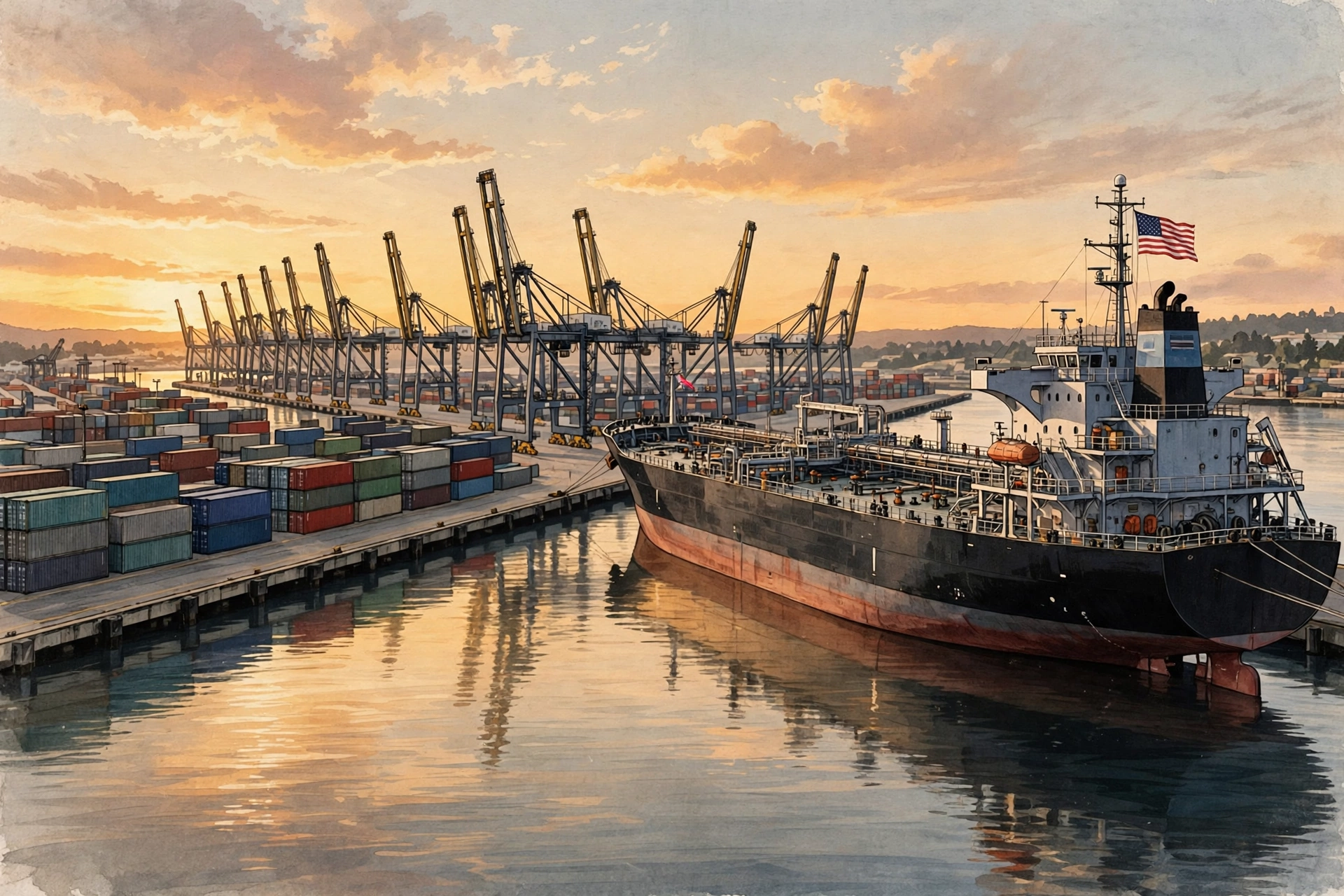
President Donald Trump has extended for 90 days the waiver that lets foreign-flagged ships carry oil and other cargo between US ports, keeping in place the longest exemption in the history of the century-old Jones Act. A White House official confirmed the decision on Friday, 13 November.
The extension takes effect at 12:00 a.m. Eastern time on Monday, 16 November, just as the current waiver expires on Sunday, so there will be no gap in coverage. Cargo covered by the waiver must be loaded before 11:59 p.m. Eastern time on 14 February 2027, according to updated guidance from US Customs and Border Protection.
What the waiver does
The Jones Act, Section 27 of the Merchant Marine Act of 1920, normally requires cargo moving between US ports to travel on ships that are built in the United States, owned by American companies and crewed by American workers. The waiver suspends that rule for a defined list of products, including gasoline, jet fuel, crude oil, naphtha, liquefied natural gas, soy oil and fertilisers.
The administration first issued a blanket waiver in March, a month after the United States launched the war with Iran, in an effort to hold down oil and fuel prices. It extended the waiver in August, adding a requirement that each voyage be reviewed case by case, and that safeguard continues under the latest extension. The November decision is the third 90-day extension of the original March waiver, which began as a 60-day measure.
Why the extension matters now
The war with Iran has disrupted energy supplies and pushed up transport costs, and the administration argues that extra shipping flexibility helps contain prices at the pump and for farmers buying fertiliser. Reuters reported that allowing the waiver aims to lower gas, diesel and fertiliser prices driven up by the war by increasing shipping flexibility and reducing transport bottlenecks between American ports.
The timing also matters for household budgets more broadly. US wholesale inflation hit 6.5% in October, its fastest pace in four years, and fuel costs feed directly into the price of moving goods across the country.
Ninety million barrels and counting
Since the waiver was first issued in March, an additional 90 million barrels of petroleum, mostly refined products, have been shipped between US ports, the White House said. That total includes 27 million barrels of gasoline, 26 million barrels of crude oil and 6 million barrels of renewable fuels.
Government data analysed by the Cato Institute and cited by Bloomberg showed foreign vessels had completed 338 voyages under the waivers since March. Puerto Rico has been among the biggest beneficiaries: Cato reported the island received 10.5 million barrels of energy products in the first 208 days of the waiver, 279% above its annual baseline. Transport Topics reported that the extension was decided just two days before the previous waiver was due to expire, leaving no time for a lapse in coverage.
The checks that stay in place
The case-by-case reviews introduced in August remain unchanged. Before a foreign vessel can carry a load, the US Maritime Administration must be consulted on whether an American-flagged, American-owned and American-operated vessel is available for the voyage. The Department of Homeland Security authorises the individual trips, and the Department of War has the final say.
That caution reflects the politics of the law. Waivers have historically been short because the Jones Act is backed by the domestic shipbuilding industry, a powerful lobby in coastal states. The administration has not issued a formal White House announcement of the extension; the formal notice is the Customs and Border Protection guidance, and the White House official who confirmed the decision spoke on condition of anonymity.
What happens next
With the extension running to mid-February, shippers, refiners and farmers have three more months of cheaper routes for moving fuel and fertiliser around the country. Whether the waiver is extended a fourth time will depend on the course of the war with Iran and on fuel prices through the winter. For now, the administration’s message is that the exemption stays — and that American ports will keep seeing foreign hulls alongside domestic ones.