Tanker Struck by Two Projectiles North of Qatar as Gulf Shipping Attacks Continue
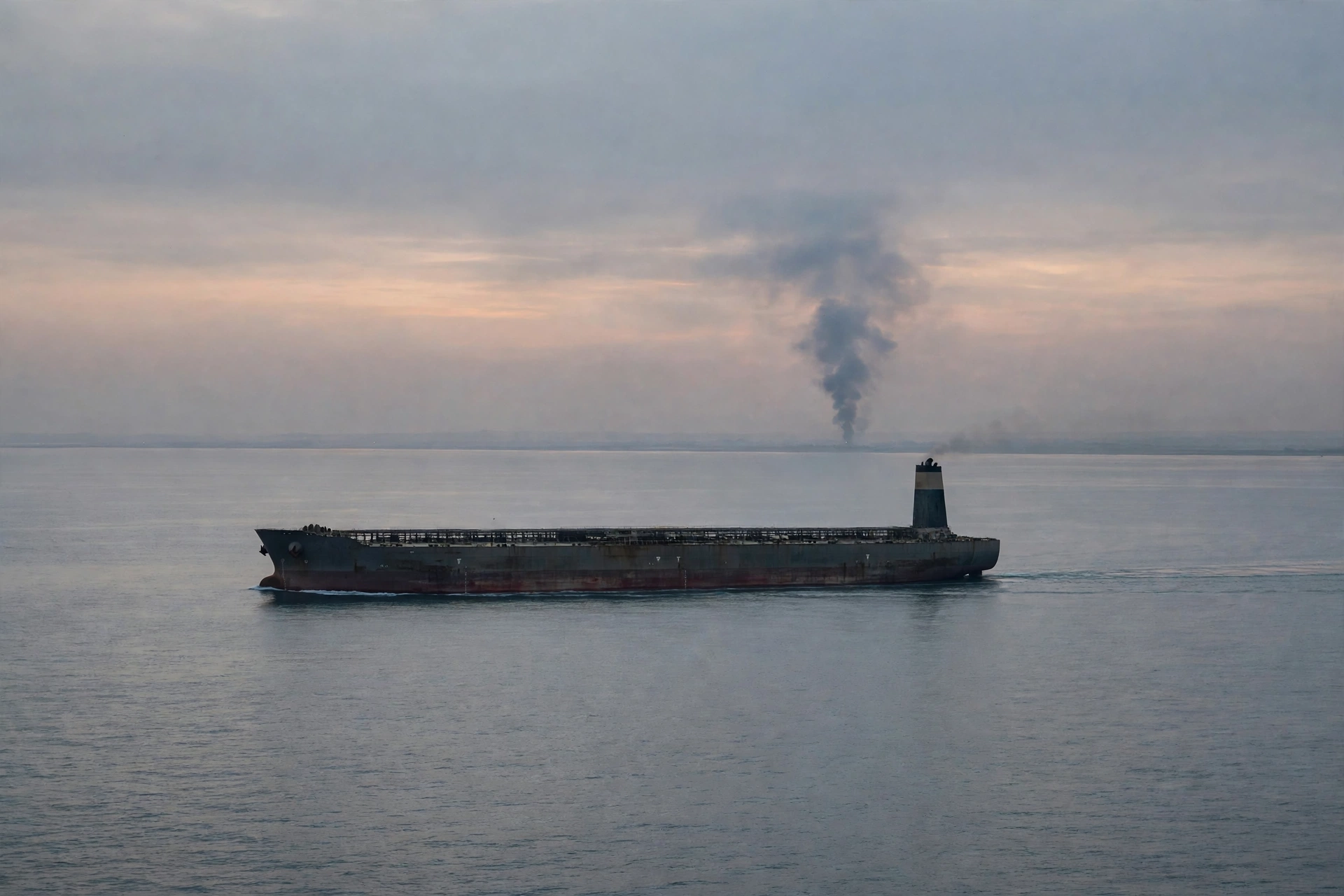
A tanker was struck by two unidentified projectiles in the Persian Gulf about 50 nautical miles north of Qatar, the United Kingdom Maritime Trade Operations centre (UKMTO) said on Thursday, in the latest attack on commercial shipping during the war between the United States and Iran.
The agency said the incident took place at 23:20 UTC on Wednesday, 4 November, about 93 kilometres north of Madinat ash Shamal, on Qatar’s northern coast. It issued the alert as Warning 196-26. The vessel was not identified, and UKMTO gave no details of its flag, cargo or destination. The condition of the crew, the extent of any damage and any environmental impact were unconfirmed when the warning was published.
No group has claimed responsibility for the strike, and no government has publicly attributed it. Qatar’s government has not commented. Reuters and the Associated Press independently reported UKMTO’s warning.
What the warning confirms — and what it does not
UKMTO, a Royal Navy-run body that acts as the main point of contact for merchant shipping in the region, said it had received a verified report of the incident. It advised vessels operating in the area to transit with caution and to report any suspicious activity while the authorities investigate.
What the notice does not establish is almost as important as what it does. It does not name the ship, say what weapons were used, or identify who fired them. It does not confirm whether the tanker remained under its own power, whether anyone was hurt, or whether fuel spilled into the sea. Those questions remained unanswered on Thursday.
A pattern of attacks on Gulf shipping
The strike joins a quickening run of incidents. Reuters reported that at least five vessels had reported incidents since Sunday, citing UKMTO figures. In October, the agency recorded 35 vessels hit, the highest monthly total of the conflict.
The pattern has already drawn in other navies. South Korea has moved a naval unit closer to the Strait of Hormuz in response to the threat to shipping, underlining how far the disruption now reaches beyond the Gulf itself.
The United States is a party to the conflict, now in its ninth month, and the attacks have kept pressure on Washington as well as on Gulf capitals, which have been trying to keep trade moving through one of the world’s most important energy corridors.
Separate Iranian claims in the Strait of Hormuz
The Qatar incident should not be confused with a separate set of claims from Iran. On Thursday, Iran’s Islamic Revolutionary Guard Corps said two oil tankers and a tugboat caught fire in the Strait of Hormuz after striking naval mines on routes Tehran considers unauthorised. A day earlier, Iran claimed four tankers had been destroyed by mines.
The Associated Press reported that neither the Iranian accounts nor a separate Iranian claim about a downed drone had been independently verified, and that Iran provided no vessel names, flags or casualty details. The sources reviewed do not link the Hormuz claims to the tanker struck north of Qatar, which lies in the Persian Gulf, not inside the strait.
Oil prices swing as diplomacy continues
Brent crude, which had fallen more than 8% on Wednesday, rose on Thursday as traders weighed the risk to supplies. The swings matter well beyond the Gulf. Data from tanker-tracking firm Vortexa, cited by Reuters, showed Middle East exports of crude oil, condensate and fuels fell to 17.1 million barrels a day in October, down from 18.9 million in September. US fuel prices hit record highs around election day, and further disruption to Gulf shipping would add to the pressure on American drivers.
Qatar, meanwhile, is pressing on with mediation aimed at ending the US-Iran war, alongside diplomatic efforts by Pakistan. The talks have yet to produce a breakthrough, and each new incident at sea makes the diplomacy harder.
For now, the tanker off Qatar remains unnamed, its crew unaccounted for in public reporting, and its attacker unknown. UKMTO’s investigation continues, and with it the question of whether the latest strike marks a further escalation — or another incident in a shipping war that has already made the Gulf one of the most dangerous stretches of water for commercial vessels.