Rubio Says Sanctions and Blockade Make New Strikes on Iran Unnecessary
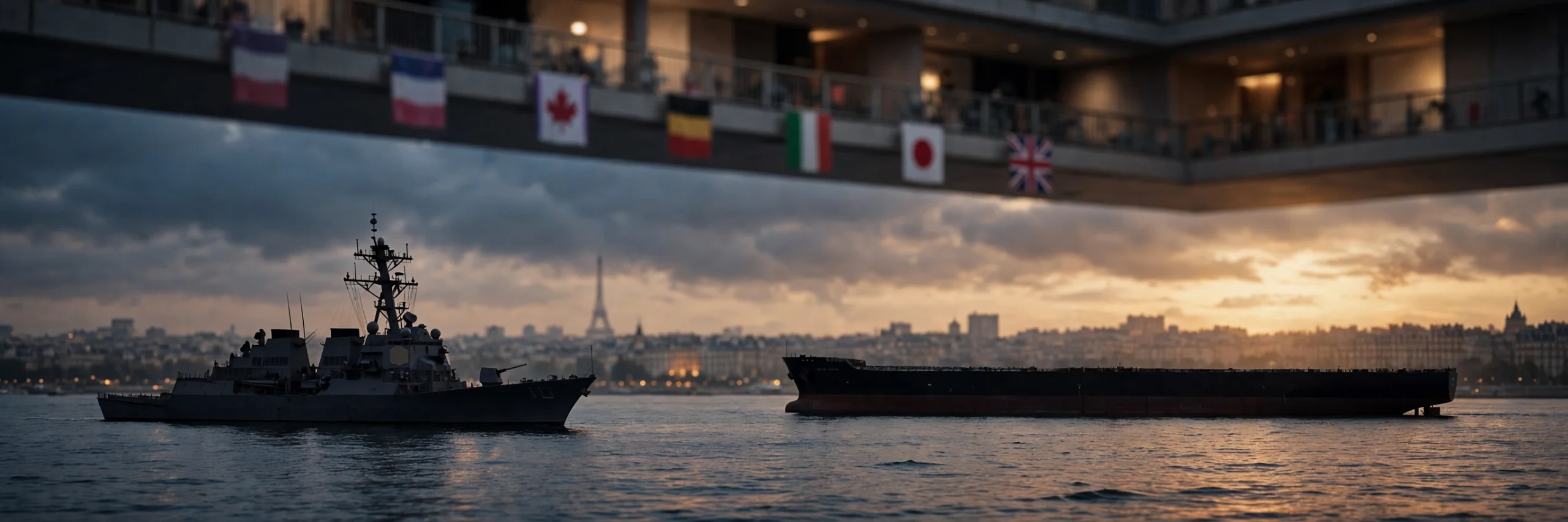
PARIS — Secretary of State Marco Rubio said on Tuesday that the United States has no need for major new combat operations against Iran, arguing that economic sanctions and a naval blockade are already doing the job that further strikes would be meant to achieve.
Speaking to reporters in Paris after two days of meetings with G7 foreign ministers, Rubio said he had told America’s allies that the pressure campaign on Tehran was working, and working faster than many expected. The message marked the clearest statement yet from the administration that it intends to rely on economic warfare rather than a return to the battlefield.
“The economic pain that is being inflicted on Iran right now is extraordinary, and it compounds. It’s growing every day,” Rubio said. “These sanctions get worse over time, they get more painful as time goes on.”
“We don’t need to conduct military strikes if we’re achieving the same objective through economic means and economic pressure. That’s not stalemate,” he added. “Never has Iran ever faced the inability to sell energy in the global market like they are today.”
“As of now, there’s really no need”
Rubio was blunt about the administration’s current assessment. “As of now, there’s really no need for major combat operations any longer because the blockade and the economic sanctions are doing devastation to their economy,” he said, as Reuters reported.
He repeatedly pushed back on the suggestion that holding off from further military action amounted to a stalemate or an unchanged status quo, insisting that the economic campaign was producing results that compounded daily. He added that President Donald Trump had also received input from regional allies in the Middle East confirming that assessment.
Trump said on Monday he would hold off on strikes after appeals from countries in the region, including from Qatar’s prime minister during White House talks. The president has said the status quo — sanctions plus what he has called the greatest naval blockade in American history — would continue at the request of Iran’s neighbours.
A deal, but not on Tehran’s terms
Rubio also addressed the question of negotiations, saying Tehran wanted an agreement but was not yet negotiating seriously. “Iran would love a deal. The problem is, the conditions they continue to place are absurd. They’re not even serious. But that could change. Eventually, you have to eat,” he said.
According to a person familiar with the administration’s thinking, Vice President JD Vance prefers a deal with Iran, while newly installed White House chief of staff Stephen Miller and Treasury Secretary Scott Bessent favour continuing the economic pressure. Trump, for now, is said to be convinced that a tenable deal is not possible. The White House did not respond to a request for comment.
Iran has proposed reopening the Strait of Hormuz, which it has blockaded since the start of the war, within two days if Washington meets a series of conditions — including lifting the naval blockade and releasing some frozen Iranian funds. That proposal has not been accepted by Washington, and senior American and Gulf officials have cast doubt on an imminent deal.
Decades of sanctions, a blockade with teeth
The United States has maintained sanctions against Iran for decades, most of them aimed at curtailing the country’s oil revenue, its acquisition of weapons components and funding for business enterprises controlled by the Islamic Revolutionary Guard Corps, a dominant force in the Iranian economy.
Tehran has weathered sanctions before. The naval blockade, however, has inflicted severe economic damage, cutting off the oil exports on which the regime depends and leaving it unable to sell energy on the global market at anything like normal volumes.
The pressure campaign follows a war that began on 28 February, when the United States and Israel launched their campaign against Iran, killing the country’s supreme leader, Ali Khamenei, AFP reported. Since then, the conflict has widened into a contest of blockades, sanctions and claims — including the Revolutionary Guard’s claim that four tankers had been destroyed by mines near the Strait of Hormuz, a claim that remains unverified.
Rubio warned that the shift to economic pressure did not mean the military option had been abandoned. The United States, he said, stands ready if Iran crosses American red lines, and Tehran did not yet appear realistic about negotiations.
For now, though, the administration’s message to its allies is that the blockade and the sanctions are doing the work. Whether that holds depends on how long Iran’s economy can absorb the pressure — and whether Tehran decides, as Rubio put it, that it eventually has to eat.
Frequently asked questions
What did Rubio say about strikes on Iran?
He said there was no need for major combat operations because US sanctions and a naval blockade are devastating Iran’s economy, adding: “We don’t need to conduct military strikes if we’re achieving the same objective through economic means.”
Where did Rubio make the remarks?
In Paris on Tuesday 10 November, after two days of meetings with G7 foreign ministers.
Has Trump ruled out further strikes?
No. Trump said on Monday he would hold off on strikes for now after appeals from regional governments, including Qatar, but Rubio made clear the military option remains if Iran crosses American red lines.
What is Iran asking for?
Tehran has proposed reopening the Strait of Hormuz within two days if Washington lifts the naval blockade and releases some frozen Iranian funds. Washington has not accepted the proposal.