Russian Pranksters Fooled OpenAI Security Chiefs in 17-Minute Ukraine Call
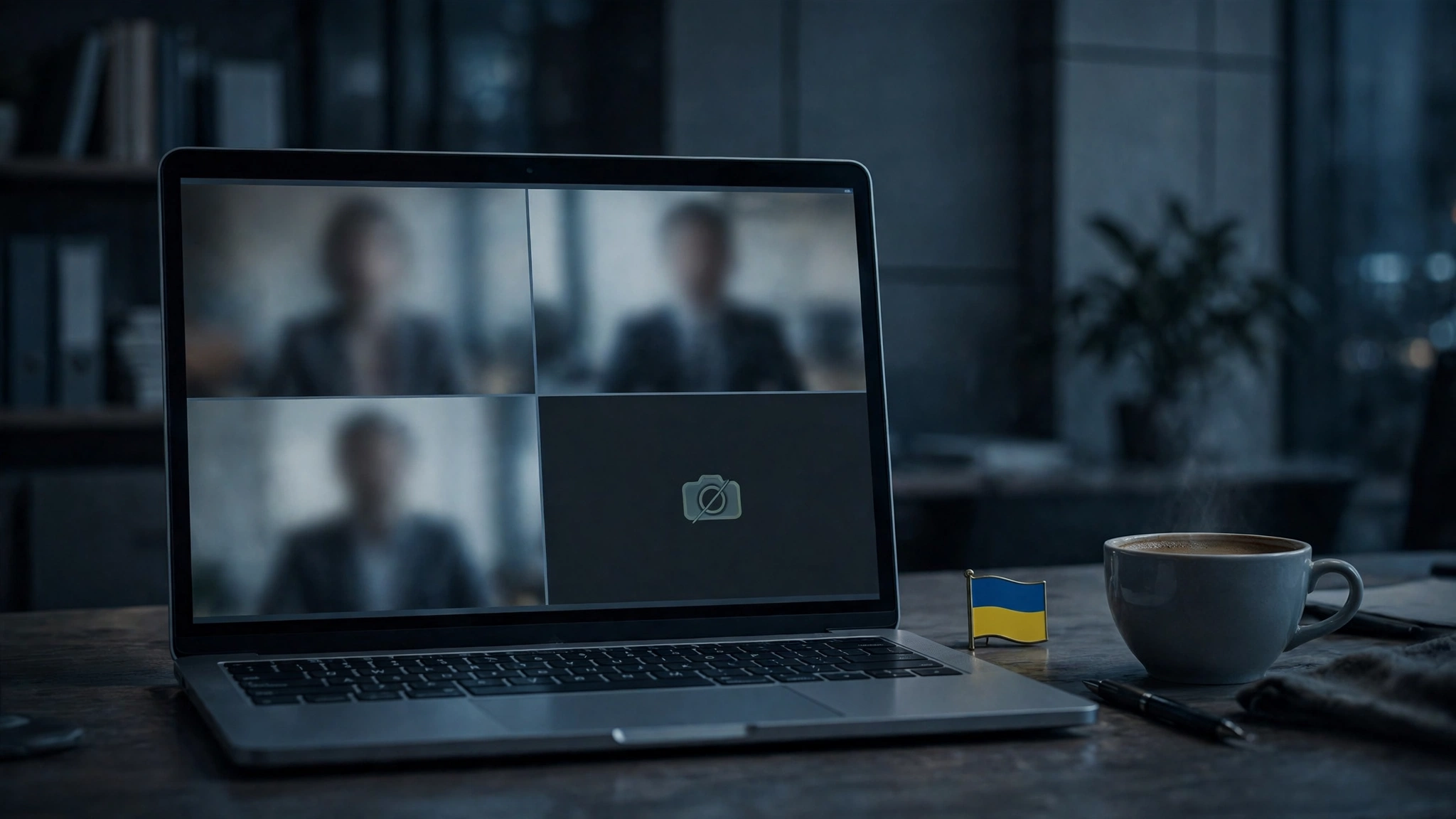
Three of OpenAI’s most senior national security officials spent 17 minutes on a video call with a pair of Russian pranksters they believed to be Ukraine’s spy chief, discussing military uses of the company’s artificial intelligence.
The Intercept first reported the episode on 11 November. The pranksters, Vladimir Kuznetsov and Alexei Stolyarov — known as Vovan and Lexus — posed as Rustem Umerov, head of Ukraine’s Foreign Intelligence Service, and recorded the conversation. They later posted a video of the call, titled “Prank with AI Management”, on Rumble.
The officials on the call were Sasha Baker, OpenAI’s head of national security policy; Caroline Zier, its lead for strategic initiatives; and Ben Crampton, who leads the company’s European national security work. OpenAI confirmed the episode, saying it had investigated the call weeks ago and concluded it was a prank.
The call took place against the backdrop of US-brokered talks between Ukraine and Russia in Abu Dhabi.
How the pranksters got through
The duo did not break into any system. They got in through a trusted introduction.
According to the reporting, the pranksters first impersonated Umerov to reach a senior Ukrainian official based in San Francisco, who believed the approach was genuine and arranged the meeting with OpenAI’s team. That official then sent the pair a briefing document, written in Ukrainian, setting out concerns that China could restrict Ukraine’s access to its open-weight AI models.
A summary of the reporting notes that, to prepare, Vovan and Lexus asked OpenAI’s own ChatGPT for advice on which questions to put to the company’s officials. The chatbot replied that it would be interesting to see what the officials would say privately, the pair said.
The call itself took weeks to coordinate. Baker and Zier told the callers they had met Umerov before and were pleased to speak with him again, according to one account of the recording. The caller kept his camera off throughout.
The Intercept has not said it independently authenticated the recording. OpenAI’s own statement, however, confirms that the call took place and that it was a prank.
What the OpenAI officials said
The conversation centred on whether OpenAI would give Ukraine access to its AI models for military use, including offensive operations against Russia.
According to the Daily Caller News Foundation’s account of the call, Baker told the pranksters that the company had a “very new” arrangement with the Department of War. Crampton was the most forthcoming of the three about the relationship with Kyiv.
“There’s no question, I think, from our perspective that we want to have as deep a relationship as we possibly can with Ukraine,” Crampton told the callers. “But we have to go through a process … to get there.”
He also described an internal divide over how far the company should go. “There’s a general reluctance on the part of many people who are senior in the company to get too involved in offensive uses of our technology in a military context,” he said, adding that part of his team’s job was to explain that offence and defence were not always easy to separate.
Baker struck a similar note of support for Kyiv. “The overwhelming majority of the government and our researchers strongly support Ukraine,” she told the callers.
The discussion matters because OpenAI is no longer just a chatbot company. It announced a $200 million contract with the Department of War in June 2025 to prototype how frontier AI could be used in military operations, and in September it said it was giving Ukraine access to tools to protect against cyberattacks.
OpenAI confirms the hoax
OpenAI spokesperson Nate Evans told The Intercept that the company had looked into the call some time ago. “Weeks ago, we launched a thorough investigation into the call’s authenticity,” he said. “We acted internally and with the relevant authorities to conclude that it was a prank conducted by individuals with a history of targeting officials and other companies.”
The company said it had taken steps to prevent a repeat, but did not say what those steps were or when the call took place. It declined to comment on the record when contacted by the Daily Caller News Foundation. Ukraine’s embassy in Washington and the Department of War did not respond to requests for comment.
Baker previously served as deputy under secretary of defense for policy from February 2022 to April 2024.
A decade of prank calls
Vovan and Lexus have been prank-calling public figures for more than a decade. Their past targets include Elton John, fooled in 2015 by Kuznetsov posing as Vladimir Putin; Britain’s then defence secretary Ben Wallace in 2022; and Italian Prime Minister Giorgia Meloni in 2023.
Ukraine’s Defence Intelligence agency describes Kuznetsov and Stolyarov as “Kremlin mouthpieces”. The pair deny working for Russia. “More than a decade later, no one has managed to produce any credible evidence to support these claims,” they told the Daily Caller News Foundation.
They describe themselves as “prank journalists” and say their aim is to show “just how far cooperation between AI companies and governments can go, and how quickly civilian partnerships can evolve into military ones.”
Why it matters
The episode is a warning about the weakest link in the AI industry’s security: people, not software. A company that builds frontier AI models and holds a $200 million military contract was reached through a polite introduction and a fake identity — no hacking required.
It also exposes a genuine tension inside OpenAI. Some senior staff are reluctant to see the company’s technology used for offensive military purposes, while others are pushing to deepen the relationship with Ukraine.
The incident comes as OpenAI keeps expanding beyond chatbots — including OpenAI’s push to turn ChatGPT into a payments platform — and as the industry faces wider scrutiny, including a lawsuit by nonprofits seeking to freeze new frontier models.
Who were the OpenAI officials on the call?
Sasha Baker, head of national security policy; Caroline Zier, lead for strategic initiatives; and Ben Crampton, who leads OpenAI’s European national security work.
Did OpenAI confirm the call was a prank?
Yes. Spokesperson Nate Evans said the company investigated the call “weeks ago” and concluded it was “a prank conducted by individuals with a history of targeting officials and other companies”. OpenAI said it acted internally and with the relevant authorities.
Who are Vovan and Lexus?
Vladimir Kuznetsov and Alexei Stolyarov, a Russian comedy duo who have impersonated world leaders and senior officials on prank calls for more than a decade. Ukraine’s Defence Intelligence agency calls them “Kremlin mouthpieces”; the pair deny any link to the Russian government and describe their work as “prank journalism”.