OpenAI Plans to Rebrand Data Centers as ‘AI Compute Campuses’ After Midterms
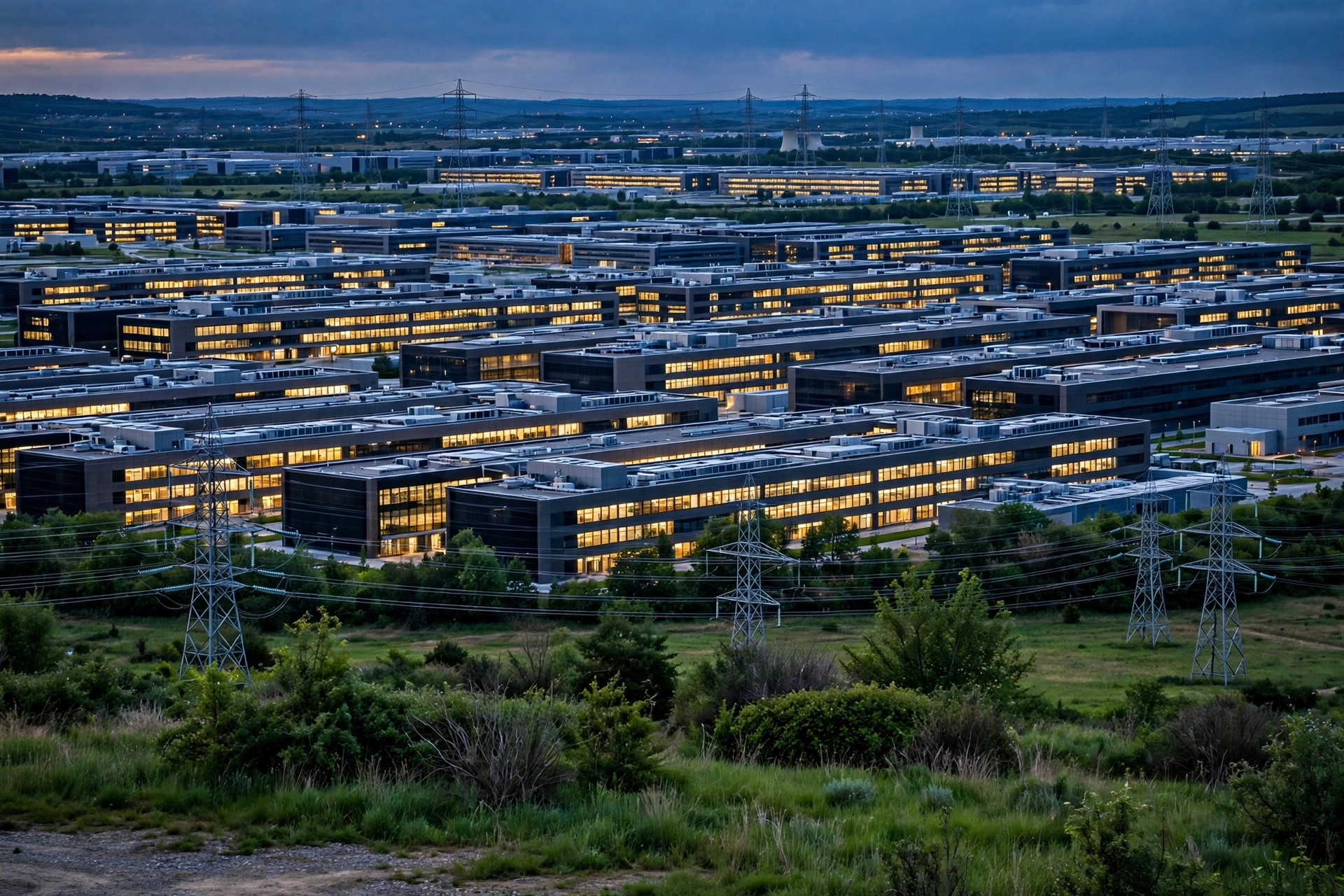
OpenAI is preparing to give its giant data centers a new name — and a new political pitch. After Tuesday’s midterm elections, the company plans to start calling its largest facilities “AI compute campuses,” part of a broader Washington push aimed at a Congress that could look very different by the end of the week.
The plan, reported by Axios on November 1 and picked up by TechCrunch the same day, is not yet a formal announcement. OpenAI has not published a definition of an “AI compute campus,” and no building has been renamed. What has been described is a campaign: a set of policy proposals, a public-relations effort, and a deliberately provocative label, all timed for the lame-duck session of Congress that opens November 9 and runs until the new Congress is sworn in on January 3.
For OpenAI, the timing is the point. Its chief global affairs officer, Chris Lehane, told Axios that the midterms will be “a bit of a movie trailer for what you’re going to see in 2028,” when he expects artificial intelligence to be “the” issue in the presidential election. With Democrats widely expected to retake the House, and possibly the Senate, the company is positioning itself early for the debate that follows.
Why a new name matters
Data centers have become one of the most contested pieces of infrastructure in America. They promise jobs and tax revenue, but they also draw enormous amounts of electricity and water, and neighbors have pushed back over rising utility bills, noise, and the sheer scale of the buildings. That backlash has crossed party lines — and it has shown up at the ballot box.
According to Axios, about $173 million was spent on data-center advertising during this general-election cycle, almost all of it negative. In that climate, OpenAI’s argument is that what it builds is different from a legacy warehouse full of servers. A “campus,” in its telling, is a place that transforms a local economy rather than simply occupying land and drawing power.
Lehane himself has called the conversation around data centers “good and healthy,” and said communities should hold companies responsible. “Communities should hold companies responsible and accountable so they really and truly get a transformative benefit from these projects,” he told Axios. The rebrand, then, is meant to be judged against that promise — not to replace it.
What else is in the post-midterm push
The new label is only one plank of the campaign Lehane’s team has been assembling since August. The other proposals reported so far include:
- Mandatory “speed limits” for the most powerful AI systems — safeguards OpenAI wants Congress to require, though the reports so far do not spell out how those limits would work in practice.
- Community compacts for data-center sites — formal commitments to host towns on jobs, benefits, and infrastructure costs.
- State legislation giving residents a real say — proposals that would let local people influence how projects are built and what they receive in return.
- A U.S. role in global AI standards — pushing Washington to help set the rules for advanced AI internationally, rather than leaving that work to other countries.
- Help for workers facing disruption — an agenda aimed at people whose jobs are changed, or displaced, by AI.
Taken together, the package reads as an attempt to move OpenAI from defense to offense: instead of answering criticism project by project, the company wants to help write the rules under which all of its future projects will be judged.
The Ohio project OpenAI points to
OpenAI’s model project, in the reporting, is in Pike County, in Ohio’s Appalachian region. The site, known as the PORTS-Pike Technology Campus, sits on the grounds of a former uranium enrichment plant. SB Energy, a SoftBank subsidiary, will build, own, and operate the facility and lease about 8 gigawatts of IT capacity to OpenAI for 20 years, according to the reports.
SB Energy has said it will pay the full cost of grid upgrades and new transmission lines so those costs are not passed on to Ohio ratepayers. OpenAI matched SB Energy’s $40 million community fund with $40 million of its own, and with Codex credits added, the companies have put the package at more than $160 million for the region. The project is pitched as bringing thousands of jobs to an area that has long sought new industry.
Whether that model scales — or whether other communities will see similar terms — is the question the post-midterm debate will test. Critics will note that a generous package in one county does not guarantee the same deal elsewhere, and that 8 gigawatts is an extraordinary amount of power by any measure.
A backlash that is already shaping elections
The political backdrop helps explain the urgency. An analysis cited by The Information found that at least one candidate supports halting data-center construction in 21 of the 36 states holding gubernatorial races this year, and a separate analysis suggested moratorium backers could win in as many as 15 states. Governors hold significant regulatory authority over siting and utilities, so those results could directly affect where — and how fast — AI infrastructure gets built.
The industry has already felt the pressure. Amazon and Microsoft have both said they will no longer use non-disclosure agreements in their negotiations with local governments, a concession to demands for more transparency. OpenAI’s community-compact idea fits the same pattern: offer towns a formal, public deal before opposition hardens into a ban.
None of this means the rebrand will work. A new name does not lower a power bill, reduce water use, or shrink a building. What it does signal is how OpenAI wants the argument to be framed — not as a fight over warehouses, but as a choice about what kind of economic campuses America builds, and who benefits from them.
What happens next
The first test comes quickly. The lame-duck session opens November 9, and OpenAI is expected to start rolling out its proposals then, with an eye on both the outgoing Congress and the new one sworn in on January 3. Watch for three things: whether the “speed limits” idea arrives as draft legislation or remains a slogan; whether community compacts appear in actual project agreements; and whether other AI companies adopt the “campus” language or leave OpenAI to carry it alone.
For residents near proposed sites, the practical question is simpler, and Lehane’s own standard supplies it: will the project deliver a transformative benefit to the community hosting it? A name change is easy. Meeting that test, town by town, is the hard part — and it is the part voters, governors, and the next Congress will be watching.
Frequently asked questions
Is OpenAI actually renaming its data centers?
Not yet. Reports describe a planned rebrand to “AI compute campuses” as part of a post-midterm policy and public-relations push. OpenAI has not published a formal definition or renamed any facility so far.
When will OpenAI launch this push?
After Tuesday’s midterm elections, timed for the lame-duck session of Congress that opens November 9 and runs until the new Congress is sworn in on January 3.
What are OpenAI’s proposed AI “speed limits”?
Mandatory safeguards for the most powerful AI systems, as described by chief global affairs officer Chris Lehane. The reports so far do not detail how the limits would be defined or enforced.
What is the Pike County, Ohio, project?
The PORTS-Pike Technology Campus, where SB Energy will build and operate a facility leasing about 8 gigawatts of capacity to OpenAI for 20 years, with community funding put at more than $160 million including Codex credits.
Why are data centers so controversial?
They use large amounts of electricity and water, and neighbors worry about utility bills, local strain, and limited lasting jobs — concerns that have fueled negative advertising and moratorium campaigns in many states.
Sources: TechCrunch, “OpenAI might rebrand its data centers as ‘AI compute campuses'”; ETCIO, “OpenAI Rebrands Data Centres as ‘AI Compute Campuses’ Amid Growing Concerns”; Seoul Economic Daily, “Data Center Moratorium Backers Could Win Up to 15 U.S. States”