Ecuadorian Fishermen Sue Trump Administration Over Pacific Drone Strike That Sank Their Boat
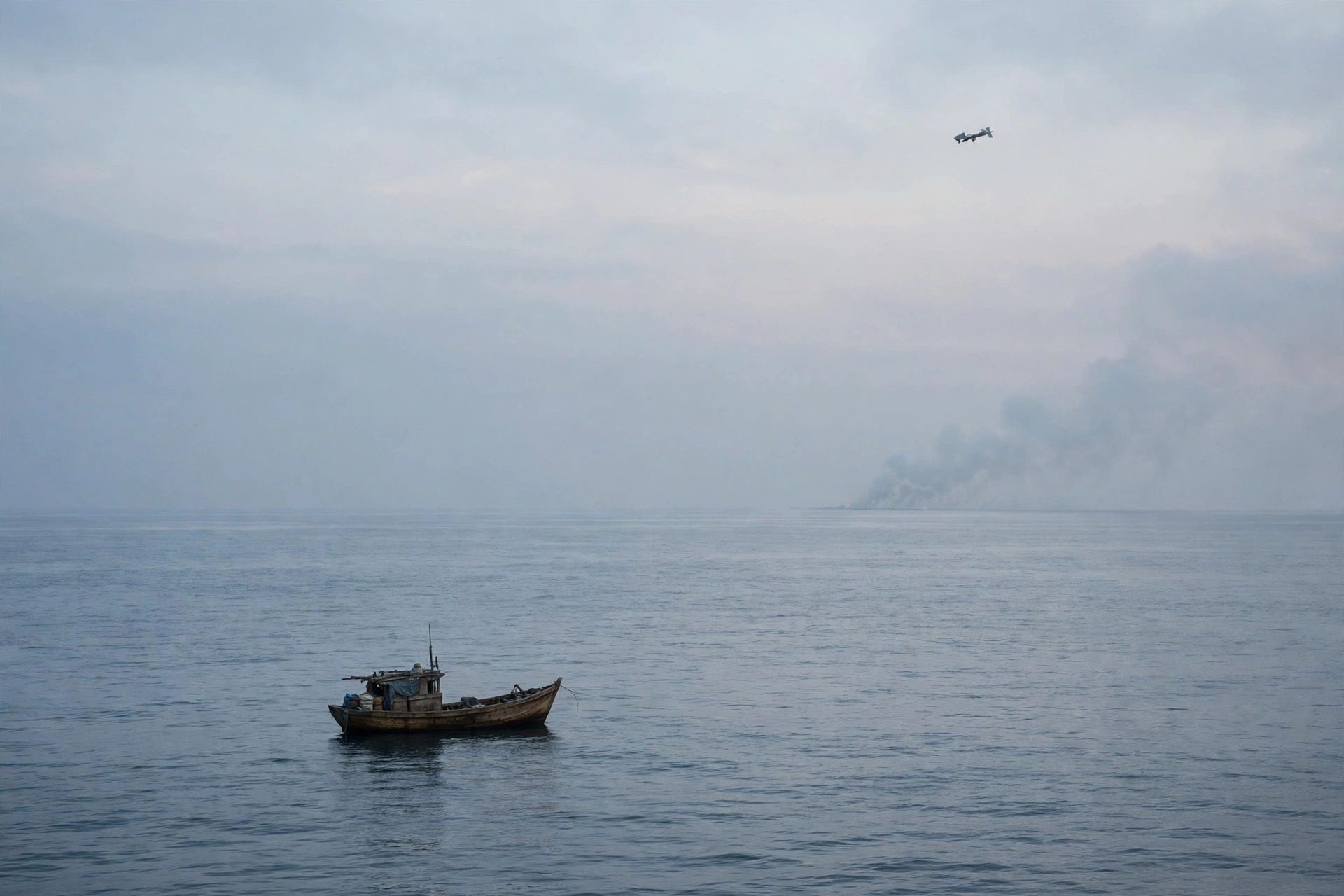
Sixteen Ecuadorian fishermen have sued the Trump administration in a United States federal court, saying an American drone attack sank their fishing boat in the Pacific Ocean in March and left two of the crew badly burned.
The lawsuit, filed on Monday, 16 November, in the US District Court for the Western District of Pennsylvania, in Pittsburgh, is the first known case brought by civilians caught up in Washington’s campaign of lethal strikes against boats in the Pacific and the Caribbean. It seeks financial compensation and a court order requiring the United States to end the strikes.
The crew of the Negra Francisca Duarte II say they were returning from a two-week fishing trip when the attack happened on 17 March, about 385 nautical miles from the Ecuadorian port of Manta. According to the complaint, two armed drones launched from a vessel operated by the United States struck the boat and set it ablaze, causing serious burns to two of the 16 men aboard.
What the fishermen are asking for
The lawsuit seeks unspecified damages for the attack, an order requiring the US to end lethal boat strikes in the Caribbean and Pacific, and any other relief the court considers just, according to the court filing seen by Reuters.
The fishermen, represented by Pittsburgh-based lawyer Dan Kovalik, also allege that the surviving crew were detained and mistreated after the attack. The Guardian, which saw the complaint before it was filed, reported that the men describe their treatment as “kidnapping and torture”. Those allegations have not been established in court.
The US government has claimed responsibility for airstrikes against what it calls “narco-terrorists” in the Pacific as part of Operation Southern Spear, the military campaign announced in November 2025. But Washington has said it has no information about the attack on the Negra Francisca Duarte II and two other Ecuadorian vessels sunk earlier this year. The Washington Post reported in August that the ships were targeted as part of a CIA programme.
A campaign under growing legal scrutiny
The case lands as the boat-strike campaign faces mounting questions at home and abroad. From late August to mid-September, US Southern Command said it intercepted and sank at least eight Ecuadorian vessels in the Pacific, saying they were being used as resupply points for drug traffickers working with the Ecuadorian criminal gang Los Choneros. The vessels collectively had about 160 crew members aboard.
The lawsuit says the United States has carried out 71 such strikes on boats across Pacific and Caribbean waters since September 2025, killing at least 235 people and injuring many others. The administration has defended the campaign as a lawful effort against drug trafficking organisations it has designated as terrorist groups, while critics, including legal scholars and some lawmakers, have questioned whether the strikes comply with international law and the laws of war.
The debate has also reached Congress, where the House voted to shelve an impeachment push against Defence Secretary Pete Hegseth, even as lawmakers continued to question the legal basis for the strikes. The campaign is unfolding alongside other regional US involvement, including reporting that the US handled $12.26 billion of Venezuela’s oil revenue.
Ecuador has become a central theatre in the campaign. Its Pacific waters are a major transit route for cocaine heading north, and the country’s ports have been infiltrated by criminal gangs. President Daniel Noboa has welcomed closer security cooperation with Washington, and Ecuador’s Noboa denies a US military base exists at Taura Air Base, despite reports of American personnel operating there.
What happens next
The case will now move through the federal court in Pittsburgh, where a judge will decide whether the claims can proceed against the administration. The government has not yet publicly responded to the lawsuit, and court filings do not specify a dollar amount for the damages sought.
For the fishermen, the case is about more than compensation. If the court accepts their argument, it could force the first judicial examination of a campaign that has so far been conducted almost entirely outside the courtroom — and set a precedent for other families of those killed or injured in the strikes to seek redress in US courts.
Sources: Reuters; The Guardian.