Mamdani Disbands NYPD’s Protest Unit, Splitting Counterterrorism From Crowd Control
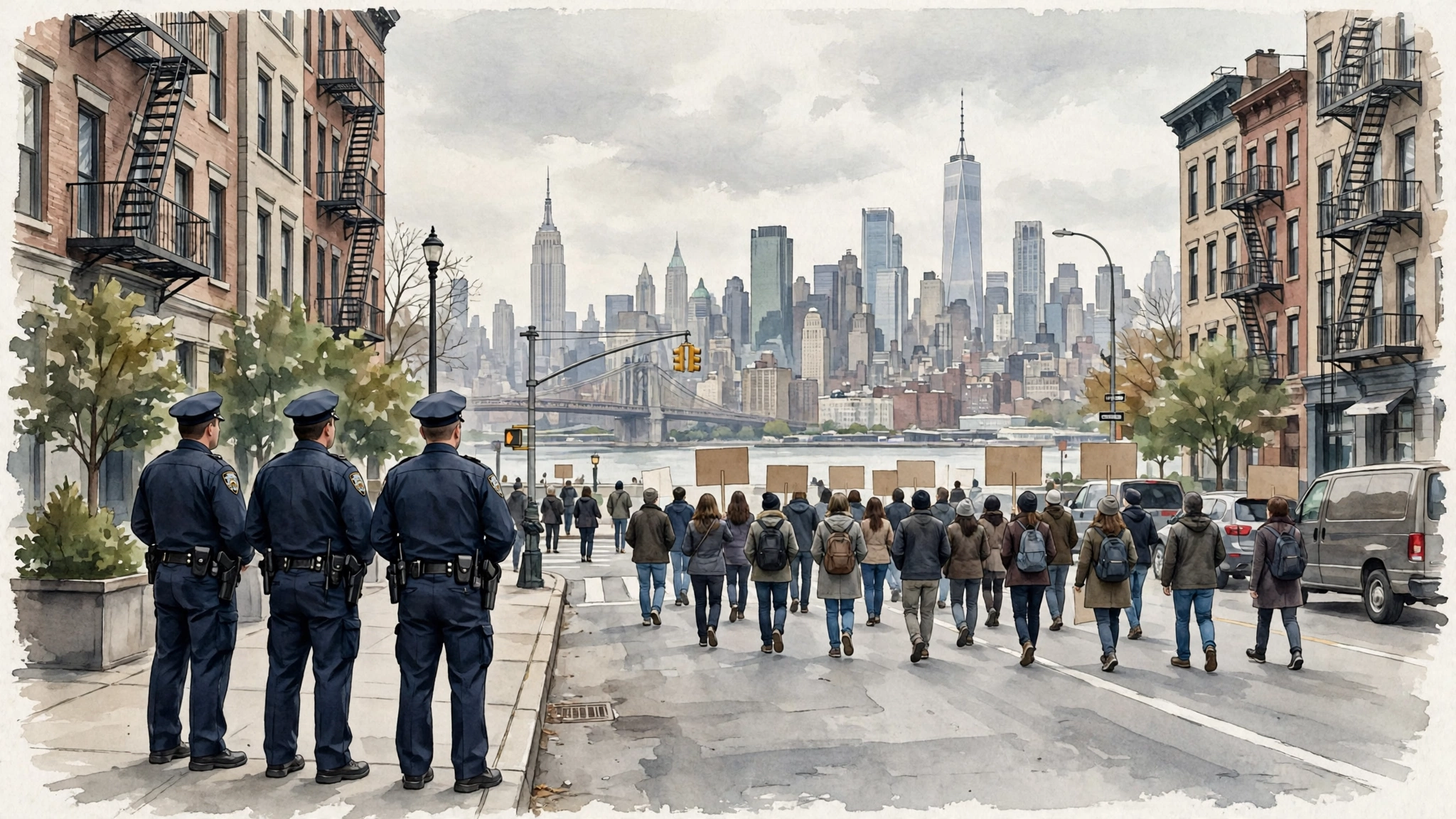
New York City Mayor Zohran Mamdani is disbanding the New York Police Department’s Strategic Response Group, the decade-old unit criticised for using excessive force against protesters, and replacing it with a civilian-led approach to large public demonstrations.
Mamdani and Police Commissioner Jessica Tisch announced the change on Monday, 16 November, fulfilling one of the mayor’s most prominent campaign promises: to separate protest policing from counterterrorism.
“During our campaign, I promised New Yorkers that we would disband the Strategic Response Group and separate counterterrorism from protest response, and today we are delivering on that promise,” Mamdani said in a statement issued with the commissioner.
What replaces the SRG
The reorganisation splits apart duties the Strategic Response Group previously handled together. A new civilian-led Community Dialogue and De-escalation Division will sit inside the Mayor’s Office of Community Safety. Its members will be unarmed and will not have arrest powers.
Inside the NYPD, a 30-officer First Amendment Support Team, known as FAST, will be based in the Community Affairs Bureau and will handle dialogue with protest organisers first. A separate Patrol Support Division within Patrol Services will respond to demonstrations when necessary and assist patrol commands, mobilisations and major events.
Counterterrorism work, including heavy-weapons deployments at critical infrastructure, will be consolidated within the NYPD’s Intelligence and Counterterrorism Bureau. The plan also bans kettling, tear gas and long guns at First Amendment events, ends the use of pepper spray as a general crowd-management tool, and caps long-range acoustic devices at 90 decibels, according to local reporting.
Tisch said there were about 500 officers in the unit and that they would be reassigned within the department before next spring. City Hall has said the reorganisation will be made at no additional cost and that the department’s overall headcount will stay the same. Reports differ on the precise timetable, with some saying the reforms begin in January and others that the unit will be dissolved in the spring.
A unit created for counterterrorism, defined by protests
The Strategic Response Group was created in 2015 with a focus on counterterrorism, rapid citywide mobilisations and major events. But it became best known for its role at street protests, where its officers in riot gear, armed with pepper spray and batons, were repeatedly accused of heavy-handed tactics.
A 2020 report by the city’s Department of Investigation criticised the unit’s handling of protests against police violence that summer. Three years later, the city reached a legal settlement after New York Attorney General Letitia James, the New York Civil Liberties Union and others sued over excessive force used against protesters, journalists and legal observers during those demonstrations.
Mamdani made disbanding the unit a central campaign pledge last year, and the move comes after months of criticism from some of his most left-leaning supporters, who argued he had not moved fast enough to reform public safety or the NYPD. City Hall said the reforms had been under development since January.
Unions push back
Police unions condemned the decision, arguing that the unit’s combined counterterrorism and rapid-response role was essential to the city’s safety. The Patrolmen’s Benevolent Association and other unions have warned that separating protest response from counterterrorism could leave officers without the resources they need at major events, a concern Tisch sought to address in a message to officers on Monday, insisting the changes would not compromise the department’s ability to protect New Yorkers.
The mayor’s office said officers will still make arrests at protests where the law requires it. The announcement changes who responds to a demonstration and how they are equipped, not the underlying law governing arrests, charges or court proceedings, which comes from state statutes.
A bill would put part of it into law
The changes mirror a legislative proposal by New York City Council member Chi Ossé, known as the CURB Act, which would bar the department from deploying Strategic Response Group officers to First Amendment events. Ossé and Mamdani announced the reforms together in a video on Monday, and the council bill, Int. 0796-2026, would put part of the reorganisation into law.
For Mamdani, who has already struck deals with the Trump administration — including a recent agreement to delay SNAP rules threatening bodegas — the disbandment is the most significant policing change of his first year in office, and the clearest test yet of his argument that protest response and counterterrorism should never have been the same job.