Army Whistleblower Says Warnings Were Ignored Before Drone Strike Killed Six US Soldiers in Kuwait
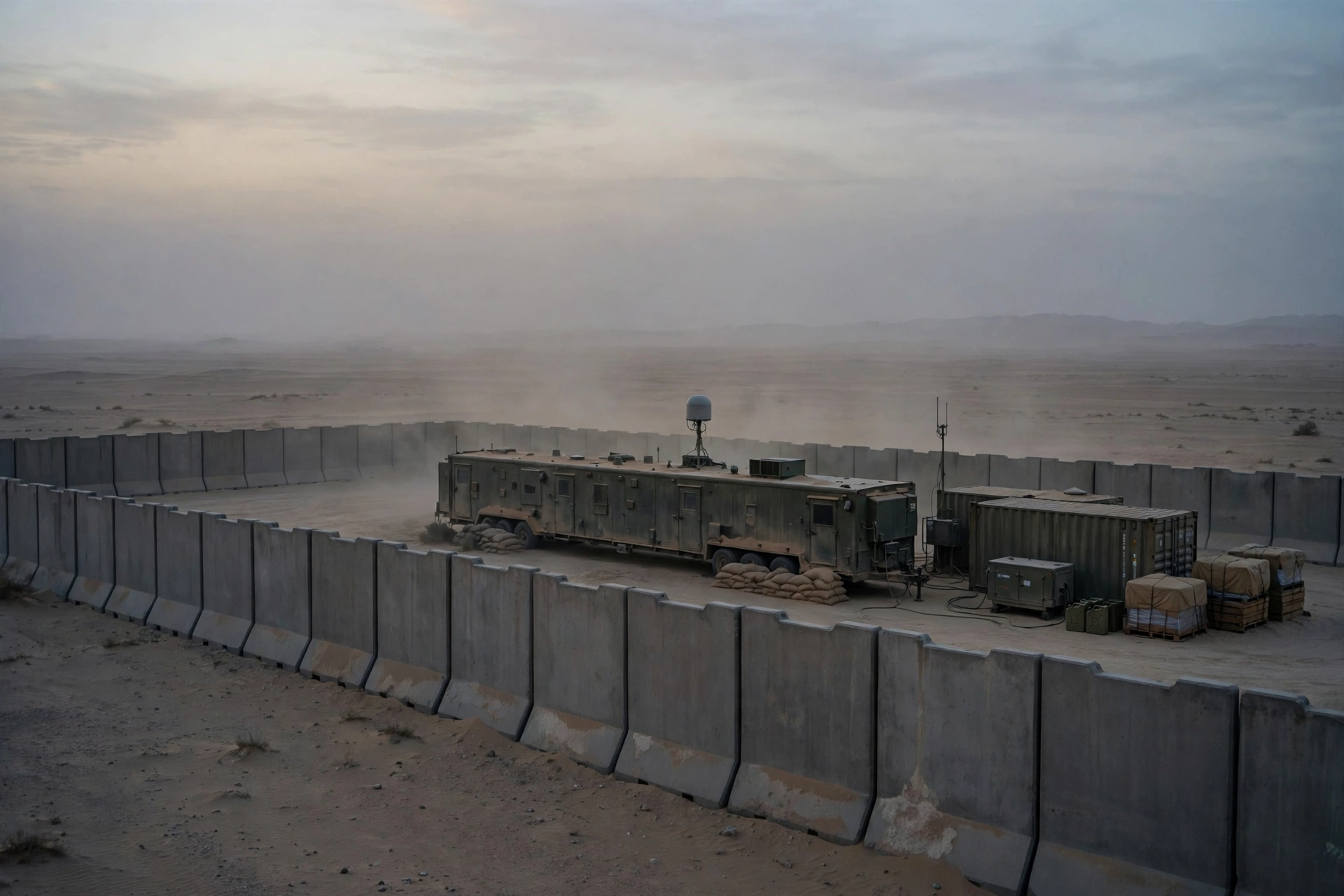
A US Army major who survived the Iranian drone strike that killed six American soldiers in Kuwait has filed a whistleblower complaint with Congress, alleging that senior officers ignored repeated warnings that the outpost had almost no protection against an attack from the air.
Maj. Stephen Ramsbottom, deputy chief of operations for the Army Reserve’s 103rd Sustainment Command, submitted the complaint on Friday to the House and Senate Armed Services Committees. CBS News, which obtained it, reported the case on Sunday as part of an eight-month 60 Minutes investigation into the 1 March attack at Port Shuaiba. CNN also obtained a copy of the complaint.
The strike came in the first 24 hours of the US war with Iran, which began on 28 February with US and Israeli airstrikes that killed Supreme Leader Ali Khamenei. An Iranian one-way attack drone hit the command post at about 9.30am, half an hour after soldiers had been given the all-clear. Six soldiers were killed and dozens were wounded — the deadliest attack on American troops in the conflict.
“We don’t have to worry about protection”
Ramsbottom said he raised the danger with his unit commander, Brig. Gen. Clint Barnes, and twice with Maj. Gen. John Hinson, the two-star general overseeing logistics for US Central Command. “I brought it up twice in various meetings, basically saying, ‘Hey, I don’t see how we’re protected here,’” he said. “He said, ‘We don’t have to worry about protection.’”
He said six soldiers had seen US intelligence placing Port Shuaiba on an Iranian target list. “I saw those reports, there was definitely an X where we were,” he said. The unit asked for a counter-drone system and was told leaders would try to send one. “It never arrived at Shuaiba and we don’t know if it was ever even ordered to or requested,” he said.
A post built to stop car bombs
Ramsbottom described the installation bluntly. “It was, some people have phrased it as a trailer park,” he said. “The protection that was there was to stop car bombs and threats like that. There was nothing there designed to protect from an aerial attack.”
The complaint states the site “had no physician, no fixed aid station, and only one ambulance.”
The Pentagon had moved 90 per cent of its ground forces out of Kuwait before the war, fearing retaliatory strikes, but about 70 members of the 103rd were sent to Port Shuaiba, about 65 miles from Iran. The drone struck the centre of the quadruple-wide trailer they were working in. The wounded were driven to a local Kuwaiti hospital in an SUV. “They were googling hospitals to try to take some of the soldiers to,” said Joey Amor, whose wife Nicole was killed. “That’s absurd.”
Hegseth’s assurance — and the questions now
The day after the attack, Defence Secretary Pete Hegseth insisted the troops had been well protected. “Every once in a while you might have one, unfortunately we call it a ‘squirter,’ that makes its way through,” he said. “And in that particular case it happened to hit a tactical operations center that was fortified. But these are powerful weapons.”
Hegseth has not publicly addressed the complaint. The Pentagon declined to comment on the allegations, CBS reported, and the two generals named, Hinson and Barnes, did not respond to requests for comment.
Senator Richard Blumenthal, the top Democrat on the Senate Permanent Subcommittee on Investigations, has demanded Hegseth appear at a classified briefing and hand over the port’s force-protection assessments. “The families of the six fallen servicemembers, the wounded survivors, and the American people deserve transparency and accountability,” he wrote on 15 November.
The Army completed its investigation in June, but families are only now being briefed. Michelle Tietjens, whose husband Noah was killed, said the officials who briefed her acknowledged no mistakes. Tina Marzan, whose husband Robert was also killed, summed up eight months of Pentagon communication in one word: “Nothing.”
The six who were killed
The six soldiers killed at Port Shuaiba were the first Americans to die in the war with Iran. They were Jeffrey O’Brien, Robert Marzan, Cody Khork, Nicole Amor, Noah Tietjens and Declan Coady, all of the 103rd Sustainment Command.
In total, 23 Americans have now been confirmed killed in the war with Iran, according to the Pentagon’s count. The complaint has surfaced months after President Donald Trump described the war as effectively over following talks in Qatar.
Ramsbottom, wounded in the strike, said he was speaking out because the failure had to be confronted. “I feel this is a tactical failure by the Army, our leadership, and myself, all the way down to my level,” he said. “Yes, we did not plan this well. And this needs to be a lesson that we learn.”
Joey Amor said his wife’s death could have been prevented. “You trust your leadership to put you in the best possible position,” he said. “And my wife’s death, I already know, was preventable. I will not accept, ‘That’s the cost of war.’”