UN Says 25 Seafarers Killed Near Strait of Hormuz Since War Began
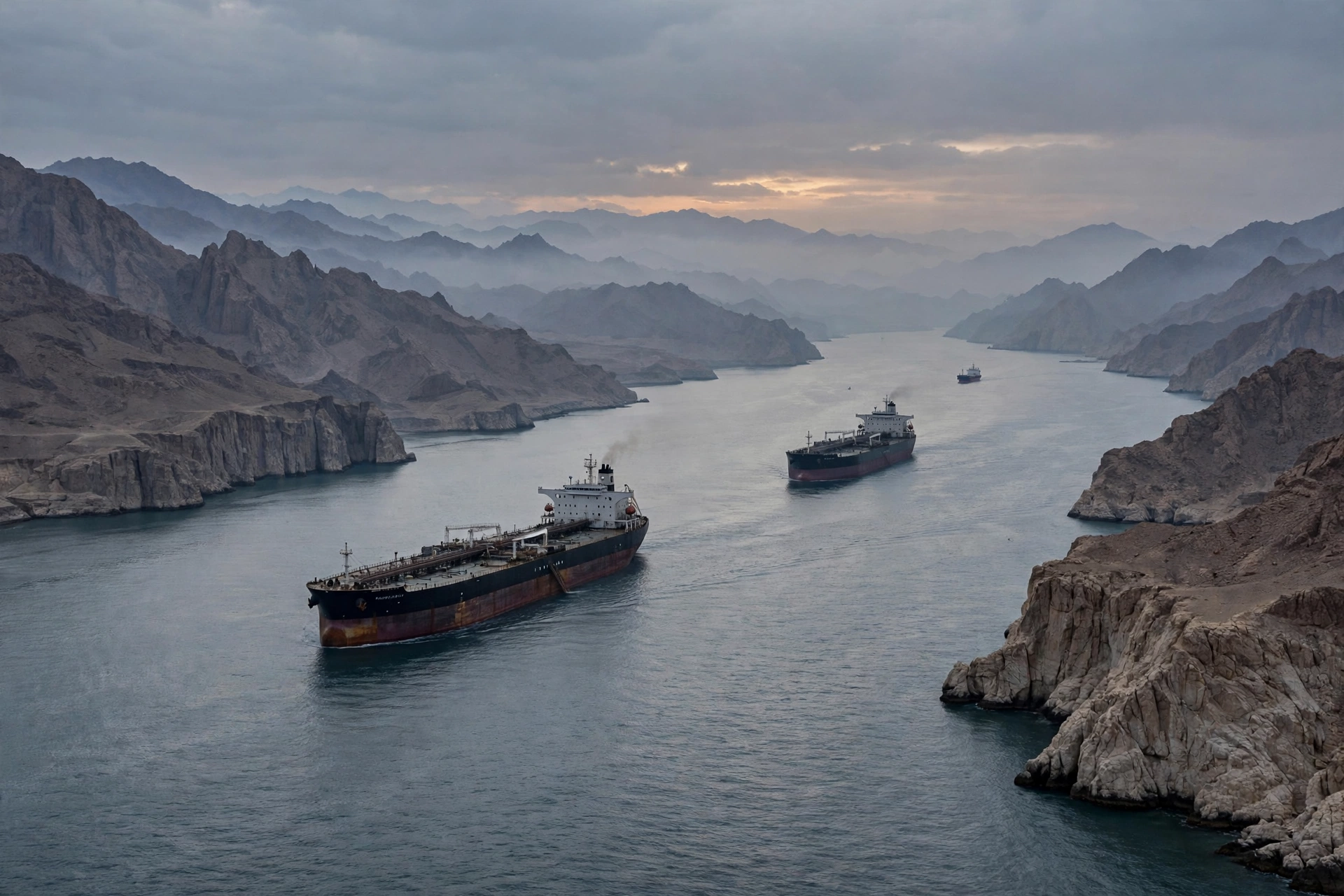
At least 25 seafarers have been killed in and around the Strait of Hormuz since the war on Iran began in February, the United Nations told the Security Council on Friday, putting the first official death toll on a shipping crisis that has now dragged on for more than eight months.
Khaled Khiari, the UN’s assistant secretary-general for the Middle East, Asia and the Pacific, gave the figures during a briefing to the Council, which met at Bahrain’s request to discuss the threat to regional and maritime security. The figures cover the period up to 11 November. Al Jazeera reported Khiari warned the situation must not be allowed to harden into something the world simply accepts.
“This situation cannot be allowed to become the new normal,” he said, urging the “full restoration of maritime navigation in the region”.
Incidents at a record high
The UN’s International Maritime Organization (IMO) has tracked 136 security incidents involving vessels in the Strait of Hormuz and the wider Middle East between 1 March and 11 November. October alone accounted for 35 incidents, the highest monthly tally since the conflict began, with a further 10 recorded in November.
“Every day brings new reports of maritime incidents,” Khiari said. “These incidents are unacceptable. Civilian vessels and commercial shipping must not become targets.”
Among the most recent deaths reported were an Indian sailor killed when the cargo vessel Al Jusufi was hit off Limah, Oman, on 2 November, and a seafarer killed aboard the Marshall Islands-flagged tanker Velos Sapphire, which was struck in the Gulf on 5 November while sailing towards Bahrain.
The waterway carried about a fifth of the world’s oil before the conflict. Shipping through the strait is now approximately 65 per cent below pre-war levels, according to the latest report from the United Kingdom Maritime Trade Operations (UKMTO).
Iran warns tankers of mines
The briefing came as Tehran stepped up its warnings to shipping. Iranian authorities reported on Saturday that three oil tankers had hit mines while travelling through “unauthorised” or “restricted” areas of Hormuz, catching fire. No independent confirmation of that claim was available.
Tehran has warned vessels that they must receive Iranian approval to cross the waterway during the conflict, and has repeatedly attacked ships accused of violating its protocol. “Any offending tanker that travels in the restricted area east of the Strait of Hormuz will be set on fire by hitting naval mines,” Iran’s navy warned in a statement carried by the country’s IRIB broadcaster.
That warning follows Iran’s claim that four tankers had been destroyed by mines, and Iran’s claim of a strike on a US radar site in Bahrain — both denied or unconfirmed by the other side. South Korea moved a naval unit closer to the strait as regional navies stepped up their presence in the Gulf.
Iranian officials have insisted the strait will not be reopened until the United States meets a series of demands, including an end to the US naval blockade of Iran’s ports, the lifting of economic sanctions, the release of Iranian frozen funds, an end to fighting on all fronts, and an explicit announcement that the war is over.
A costly, unpredictable waterway
The US military says it has cleared the strait’s main routes of mines and that the waterway is open for commercial shipping. But Khiari told the Council that, in practice, “the present maritime arrangements in the Middle East remain costly, unpredictable, and unsafe”.
The disruption is rippling well beyond the Gulf. “Disruptions to maritime navigation continue to have significant global economic consequences, driving up energy, transport and insurance costs, fuelling inflation and threatening food security amid severely constrained fertiliser shipments,” Khiari said.
The war began on 28 February, when Israeli and US strikes on Iran set off a regional war. In March, the Security Council adopted resolution 2817, condemning Iran’s attacks and its threats to navigation, with China and Russia abstaining. A 60-day US-Iran ceasefire mediated by Pakistan in June lapsed in August without a peace deal, and efforts to stop a return to full-scale fighting have yet to produce an agreement.
The pressure is not confined to Hormuz. Transits through the Bab al-Mandab Strait are down by roughly a quarter since the Houthis declared a blockade on Saudi-linked shipping in July, according to UN News coverage of the Security Council meeting.
For the crews still sailing through the Gulf, the UN’s message was blunt: the danger they face each day is not a normal cost of doing business, and the world cannot afford to treat it as one.


[…] wider picture is grim. The United Nations has said that 25 seafarers have been killed near the Strait of Hormuz since the war began, a reminder of the human cost the conflict has already exacted on shipping in the Gulf. Just days […]