Fog Grounds Dallas Flights as American Airlines Leads U.S. Cancellations
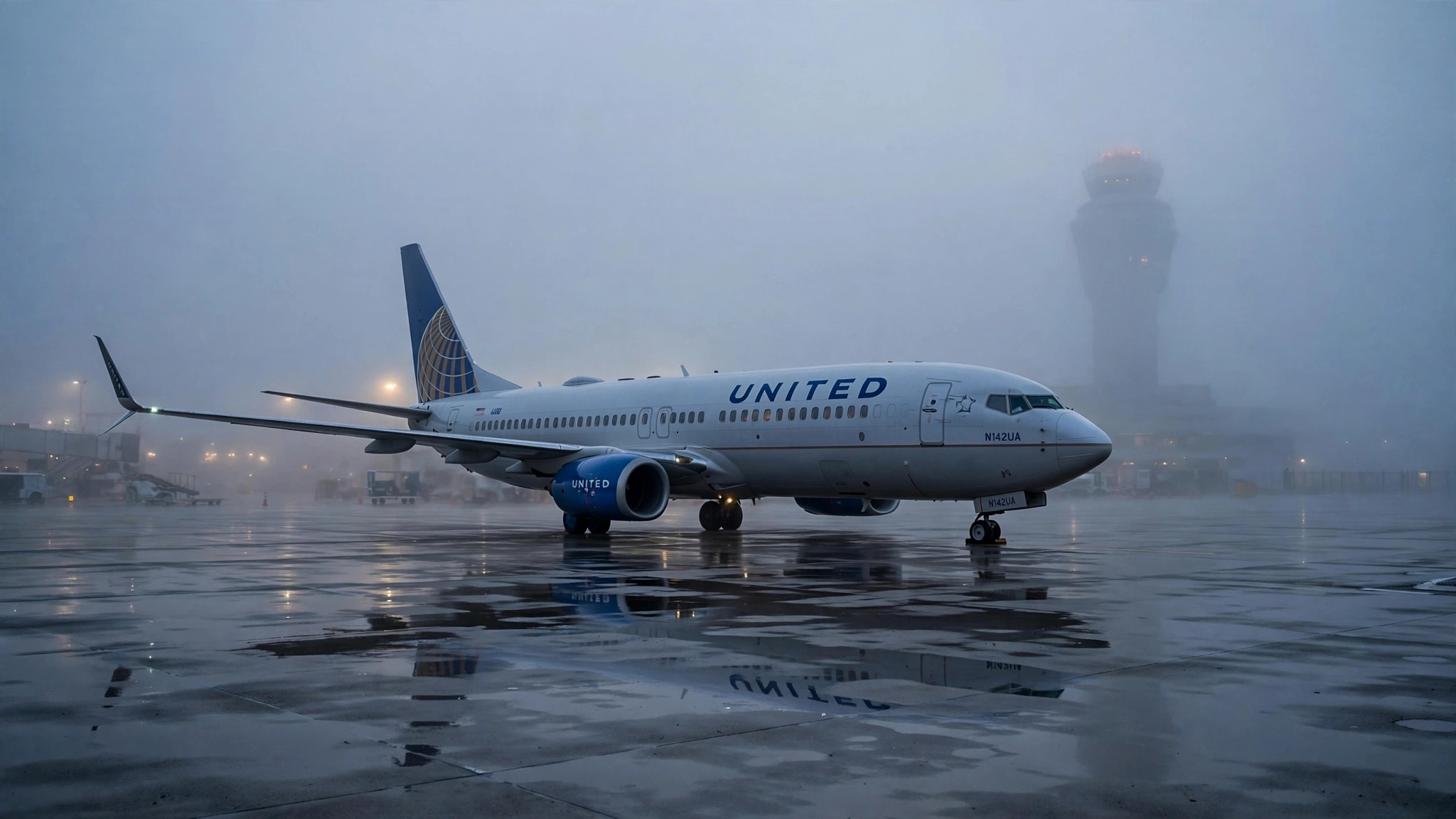
Thick fog brought Dallas-Fort Worth International Airport to a standstill on Sunday, grounding flights at American Airlines’ largest hub and leaving the carrier with the most cancellations of any U.S. airline for the day. The disruption rippled across the country, with more than 7,500 flights delayed nationwide by the end of Sunday, according to FlightAware data reported by TheTravel.
American Airlines cancelled 90 flights and delayed 1,468 more on Sunday, November 1, with delays touching about 40 percent of its total volume for the day. Dallas-Fort Worth itself recorded 139 cancellations and more than 1,042 delays, the worst airport totals in the country, after the Federal Aviation Administration imposed a ground stop at the hub because of low ceilings and low visibility caused by thick fog.
The fog was not the only weather headache for travelers. Thunderstorms backed up departures across Florida, and wind slowed arrivals in Las Vegas, turning the first weekend of November into a reminder of how quickly a single hub disruption can cascade through the national air system.
Fog shuts down American’s biggest hub
Dallas-Fort Worth is the center of American Airlines’ network, and when the FAA halts departures there, the effects spread far beyond Texas. Aircraft and crews fall out of position, and connecting passengers miss onward flights at hubs across the country. American’s regional partners felt it too: Envoy Air cancelled 68 flights, SkyWest cancelled 45, and PSA Airlines cancelled 23, putting the American Airlines group at the top of every disruption ranking for the day.
United Airlines cancelled 29 flights, the next-highest total among mainline carriers, according to the FlightAware figures. American also faced disruption at its other hubs, including Phoenix Sky Harbor International Airport, where low cloud ceilings slowed operations on Sunday.
TheTravel reported that American had not posted a rebooking waiver for the Dallas fog disruption on its travel alerts page, even as the cancellations piled up. That matters for passengers because airline travel waivers typically let travelers change flights without paying a fare difference when weather snarls operations. Without one posted, affected customers had to rely on the airline’s standard rebooking process or its app and phone lines.
Florida storms and Las Vegas wind add to the mess
While Dallas dealt with fog, Florida dealt with thunderstorms. The FAA’s National Airspace System status snapshot on Sunday evening showed a ground delay program in effect at Fort Lauderdale-Hollywood International Airport because of thunderstorms, with average delays of about 56 minutes for arriving aircraft. Departure delays averaged about 31 minutes at Fort Lauderdale and Orlando, and about 15 minutes at Miami, with thunderstorm-related restrictions also affecting Fort Myers.
Las Vegas was the other pressure point. Wind triggered a ground delay program at Harry Reid International Airport averaging about 49 minutes for arrivals. By contrast, most of the country’s other major hubs — including Atlanta, Chicago O’Hare, Denver, New York’s three airports, Boston, Charlotte, Los Angeles and San Francisco — were running normally at the time of the Sunday evening snapshot.
The national totals underline how concentrated the disruption was. FlightAware counted 7,571 delays within, into or out of the United States on Sunday, alongside 361 cancellations. Most of the damage traced back to a handful of weather-hit airports rather than a system-wide breakdown.
What to do if your flight was cancelled or delayed
Passengers caught in the Dallas disruption still have options, and knowing the rules can save money and time. Under U.S. Department of Transportation rules in force since October 2024, if your flight is cancelled or changed by more than three hours on a domestic trip, or more than six hours internationally, and you decline the airline’s rebooking offer or credit, the airline must refund you automatically. That applies even on nonrefundable tickets.
Travelers should first check their flight status in the airline’s app before heading to the airport, since fog delays can clear or worsen quickly and rebooking options change by the hour. If a flight is cancelled, rebooking through the app is usually faster than joining the line at the airport service desk, and keeping receipts for meals or hotels matters if you later seek reimbursement.
Passengers connecting through Dallas should also check onward flights even if their first leg operated on time, because late-arriving aircraft and displaced crews can delay departures hours after the fog lifts.
Why Dallas fog hits so hard
Fog is one of the most disruptive weather events for a hub airport because it attacks the exact thing an airline schedule depends on: visibility. When ceilings drop and visibility falls below safe minimums, the FAA slows the rate at which aircraft can land, and in severe cases stops departures altogether until conditions improve. Unlike a thunderstorm that passes in an hour, fog can sit over an airfield for much of a morning, and the backlog it creates takes the rest of the day to clear.
For American, the stakes at Dallas-Fort Worth are higher than anywhere else. The airport is the airline’s largest hub by far, so a ground stop there does not just delay Dallas flights — it strands connecting passengers bound for dozens of destinations and throws crew schedules across the network out of sync.
Sunday’s fog arrived on a weekend already heavy with travelers returning from Halloween trips, adding to the pressure on rebooking. It also came just weeks before the Thanksgiving travel rush, when airports will handle some of their busiest days of the year and there is far less slack in the system to absorb a weather disruption.
What travelers should watch this week
Monday operations were expected to improve as the fog cleared, but travelers with Dallas connections should still check flight status before leaving home, since aircraft and crews displaced on Sunday can take a day to get back into position. The same advice applies to Florida, where thunderstorm patterns can re-form quickly.
Separately, international travelers should note that a new CDC attestation requirement for U.S.-bound flights takes effect at 11:59 p.m. Eastern on Tuesday, November 3. American, Delta and United have all updated their travel advisories to tell passengers they must complete and sign a declaration confirming they have not been in the Democratic Republic of the Congo in the previous 21 days, or risk being denied boarding. NationWire covered the airline industry’s pushback against that rule in detail earlier on Monday.
Frequently asked questions
How many flights were cancelled at Dallas-Fort Worth on Sunday?
Dallas-Fort Worth recorded 139 cancellations and more than 1,042 delays on Sunday, November 1, the most of any U.S. airport, after thick fog forced an FAA ground stop at the hub.
Which airline cancelled the most flights?
American Airlines cancelled 90 flights and delayed 1,468 more, the most cancellations and the second-most delays of any U.S. airline on Sunday. Its regional partners Envoy Air, SkyWest and PSA Airlines also posted heavy cancellation totals.
Am I entitled to a refund if my flight was cancelled?
Yes. Under Department of Transportation rules, if your flight is cancelled or changed by more than three hours domestically or six hours internationally and you decline rebooking or credit, the airline must issue an automatic refund, including on nonrefundable tickets.
Was the disruption nationwide?
No. FlightAware counted 7,571 delays and 361 cancellations across the U.S. on Sunday, but most major hubs ran normally. The worst disruption was concentrated at Dallas-Fort Worth, with additional weather delays in Florida and Las Vegas.
Sources: TheTravel, RusTourismNews (FAA status reporting), TravelTourister (FAA snapshot), FlightAware data via TheTravel. Related NationWire coverage: Airlines Say CDC’s New Ebola Form Is Unworkable as Tuesday’s US-Bound Deadline Nears.