USDA Proposes Rule That Could Cut SNAP for 6.3 Million People
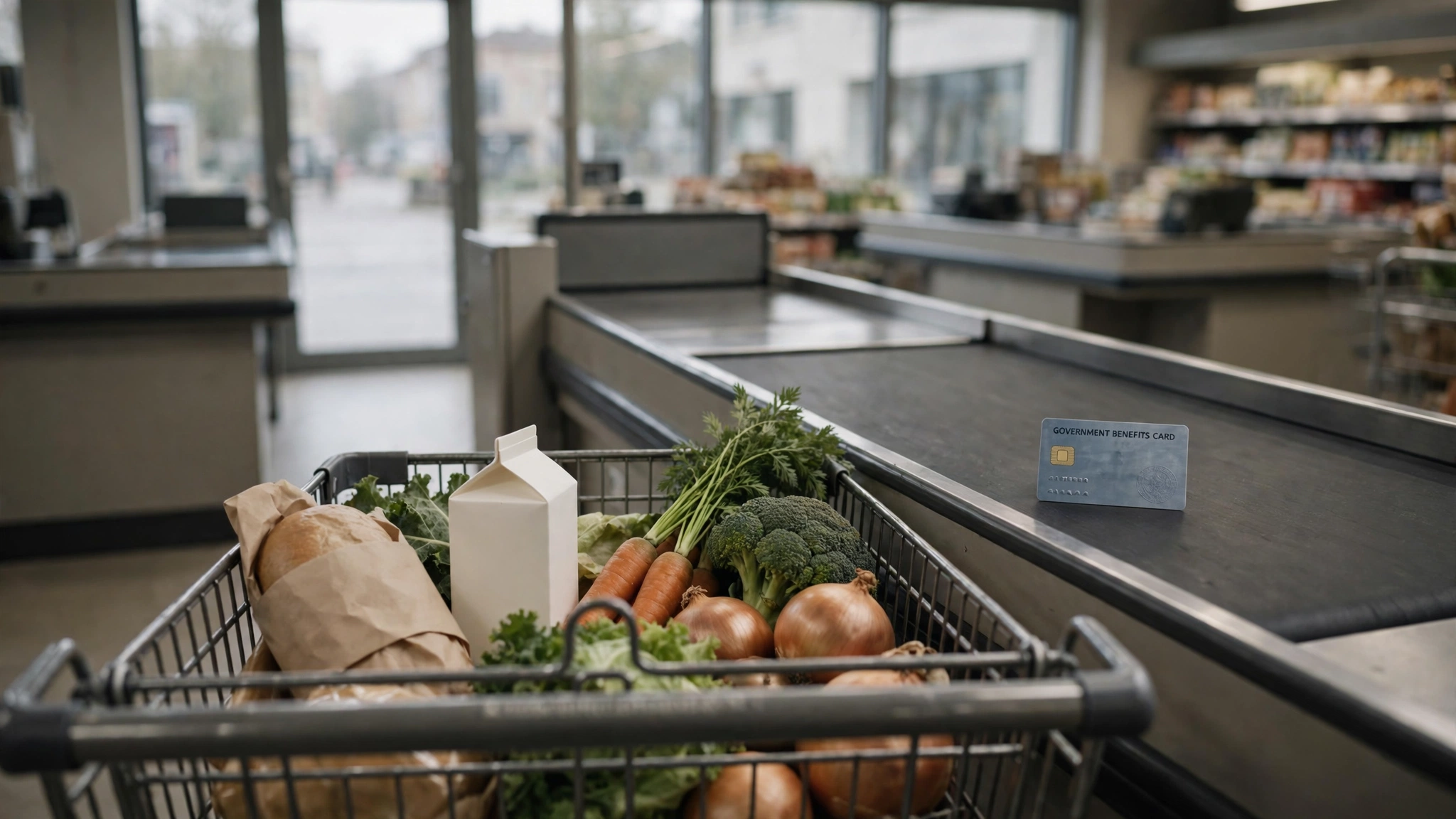
The U.S. Department of Agriculture has proposed a rule that would end food assistance for an estimated 6.3 million people, narrowing the route millions of households use to qualify for the Supplemental Nutrition Assistance Program, or SNAP. The proposal, published in the Federal Register on Tuesday, 10 November, would restrict automatic eligibility to households receiving cash assistance under the Temporary Assistance for Needy Families programme, known as TANF.
What the rule would change
Under current rules, states can treat households as automatically eligible for SNAP if they receive a benefit or service funded through TANF — even a non-cash service such as childcare or job training. That approach, known as broad-based categorical eligibility, lets states enrol families without applying SNAP’s federal income and asset tests. As of December 2025, 46 of the 53 state and territorial agencies that run SNAP used the approach, according to the proposal.
Under the change, only households receiving TANF “assistance” — largely temporary cash aid — would qualify automatically. The department says the expansion of the policy has drifted from what Congress intended, and argues the change would make eligibility more uniform and “preserve benefits for the truly needy.” The proposal was signed by Deputy Secretary Stephen A. Vaden.
The numbers behind the proposal
The department’s own analysis projects that about 3.2 million households containing 6.3 million people — roughly 17 per cent of SNAP participants — would no longer receive benefits in fiscal year 2029, the first year the rule is expected to reach its full effect. It estimates federal SNAP spending would fall by about $44.6 billion between fiscal years 2027 and 2031.
The proposal follows a turbulent autumn for the programme, in which the Supreme Court temporarily blocked full SNAP funding as a 7 November deadline arrived. Reuters reported that more than 5.5 million people have already lost SNAP benefits since President Donald Trump signed his July 2025 tax and spending law, bringing enrolment to about 36 million people.
The proposed rule also notes that in fiscal year 2024, about 11.5 per cent of participating households — 2.5 million households with 5.4 million people — held resources above the programme’s federal limit. Thirty-seven states currently set gross income limits above the federal threshold of 130 per cent of the federal poverty guidelines, and 41 states have eliminated resource limits entirely.
School meals caught in the change
The effects would reach beyond food stamps. Schools use SNAP enrolment to establish that a child qualifies for free meals without a separate household application, and the USDA projects about 1.78 million children would lose that automatic eligibility. About 97 per cent of those children would still qualify through a separate income-based process, the department estimates, but roughly 28,000 would have to pay full price for school meals.
The broader safety net has been shifting in different directions: US homelessness posted its largest drop in over a decade, while food assistance has been shrinking.
Work rules and a familiar fight
The department also released a second proposal on the same day to write the 2025 law’s tougher work requirements for SNAP into regulation. The debate comes as the labour market remains tight: US job openings jumped to 7.52 million in September as layoffs fell to an 18-month low.
This is not the first attempt at the change. The first Trump administration tried a similar narrowing of categorical eligibility in 2019, and the Biden administration withdrew that rule in 2021.
What happens next
Nothing changes for recipients yet. The proposal is open for public comment for 30 days, with written comments due by 10 December 2026 under docket FNA-2026-0661. The full text of the proposed rule is published in the Federal Register, and the department will then decide whether to finalise the rule, amend it, or drop it. If finalised as proposed, it would take full effect in fiscal year 2029.